Trump Is Winning the Air War, but Iran Is Redrawing the Battlefield
ANALYSIS
President Donald Trump may hold overwhelming military superiority over Iran, but wars are not won by firepower alone. They are won by shaping the battlefield faster than the opponent can adapt.
That is the strategic contest now unfolding in the Middle East.
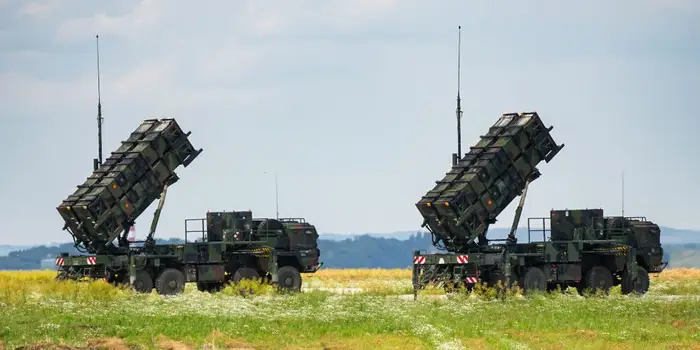
After successive waves of US airstrikes against Iranian military infrastructure, Washington has demonstrated that it can strike virtually any target inside Iran with precision. Tehran understands it cannot compete in a conventional military contest. Instead, it is attempting something far more dangerous—transforming a military conflict into a geopolitical endurance campaign.
The objective is not to defeat the United States on the battlefield. It is to ensure that every American military success creates a new strategic burden.
That has become Iran’s signature approach.
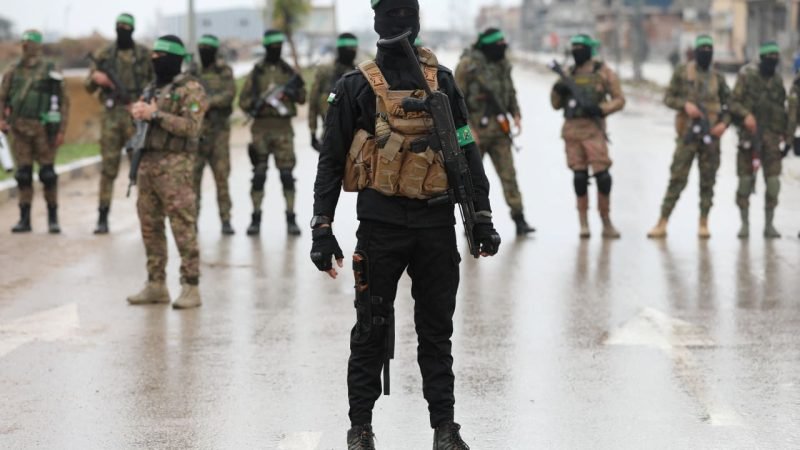
Every US strike against missile batteries or command centres is followed by pressure somewhere else. Commercial shipping becomes the target. Gulf states hosting American forces come under threat. Energy markets react. Regional proxy networks become more active. Rather than answering Washington’s military strength directly, Tehran is widening the conflict until America’s military advantage becomes only one part of a much larger strategic equation.
This approach is deeply rooted in Iranian military thinking.
During the Iran-Iraq War, Tehran learned a lesson that still shapes its doctrine today. It could never match the US Navy in conventional combat, but it discovered that disrupting maritime commerce, mining shipping lanes and threatening oil exports forced Washington to defend not only military assets but also the global economy.
Operation Praying Mantis destroyed much of Iran’s navy in 1988, yet the broader lesson survived. Iran concluded that asymmetric pressure could impose strategic costs on a far stronger opponent without requiring battlefield parity.
That doctrine is now evolving.
The Strait of Hormuz remains the world’s most important energy chokepoint, carrying around one-fifth of global petroleum supplies. But Tehran appears increasingly interested in expanding the crisis beyond Hormuz.
Iranian-backed Houthi forces in Yemen have already demonstrated their ability to disrupt shipping in the Red Sea. If attacks intensify around the Bab el-Mandeb Strait while pressure continues in Hormuz, the United States and its allies could find themselves defending two critical maritime corridors simultaneously.
That would fundamentally alter the balance of the conflict.
Instead of protecting one strategic gateway, Washington would be forced to secure both the entrance to the Persian Gulf and the southern gateway to the Suez Canal. The military challenge is manageable. The political, logistical and economic costs become considerably more complex.
This is precisely the kind of battlefield Iran prefers.
The danger for Washington is not military defeat but strategic overstretch.
Recent policy inconsistencies also illustrate how easily military success can be undermined. President Trump’s brief suggestion that shipping through Hormuz could face transit fees—before quickly abandoning the idea—created unnecessary diplomatic complications.
International maritime law rests heavily on consistency. When the United States appears to consider restrictions similar to those it condemns Iran for proposing, it weakens its legal and diplomatic position while handing Tehran a useful propaganda narrative.
These may appear to be minor political missteps, but in prolonged conflicts perception often matters as much as precision-guided weapons.
The larger strategic question is whether the United States can resist fighting on terms chosen by Tehran.
Military power is most effective when it narrows an adversary’s options. Iran is attempting the opposite. Every escalation seeks to multiply American commitments, forcing Washington to defend more allies, more shipping lanes, more energy infrastructure and more regional partners without fundamentally changing Tehran’s own strategic objectives.
This is not a contest of military capability.
It is a contest of endurance.
Iran understands it cannot destroy American military power. Its calculation is that it may not need to. If the conflict expands geographically, drives up global energy costs and steadily increases the political burden on Washington and its allies, time itself becomes a strategic weapon.
For President Trump, the challenge is therefore not simply sustaining military pressure. It is preventing Tehran from determining where the next crisis emerges.
History shows that powerful nations rarely lose because they lack military strength. They lose when tactical victories gradually evolve into expanding commitments with no clearly defined strategic endpoint.
Trump currently holds the initiative in the air.
Whether he can retain the initiative across the broader geopolitical chessboard will determine how this conflict is ultimately remembered.
WARYATV Assessment
Iran’s strategy is no longer centred on surviving American airstrikes. It is focused on expanding the conflict until the United States is forced to defend multiple fronts simultaneously. The real battle is shifting from military superiority to strategic endurance. Washington’s greatest advantage remains its overwhelming power—but its greatest vulnerability is allowing Tehran to choose where that power must be applied next.