U.S.–China Talks Put Maritime Security Before the Summit Spotlight
Washington and Beijing have a practical reason to keep talking: disruption to energy routes creates costs that diplomatic rivalry cannot contain. Their latest ministerial contact offers an opening for crisis management, although the public account establishes no agreement on how to deliver it.
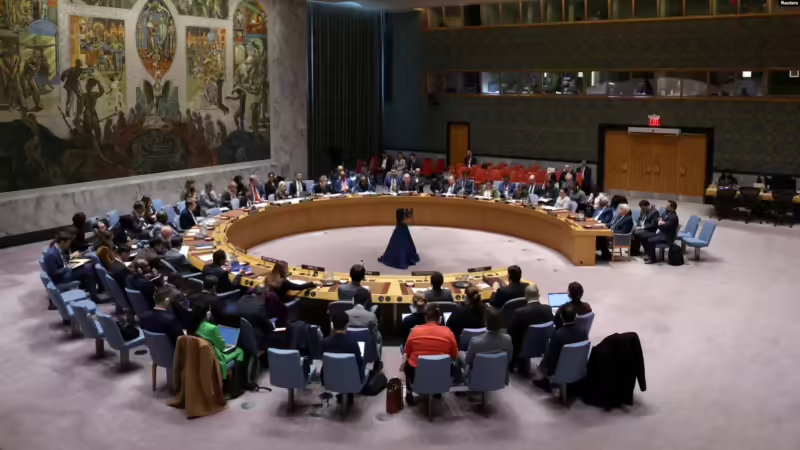
Chinese Foreign Minister Wang Yi and U.S. Secretary of State Marco Rubio spoke on September 17 about high-level exchanges and the Middle East, according to Beijing’s account reported by Reuters. Trump had announced a September 24 meeting with Xi Jinping, but China’s summary did not explicitly confirm it.
Beijing is keeping several conversations open
A day earlier, Wang met Iranian Foreign Minister Abbas Araqchi in Beijing. He urged Washington and Tehran to return to their June interim agreement and substantive negotiations, and called for reopening the Strait of Hormuz.
Separately, Reuters reported that China had pressed Iran to help restrain the Houthis following a Saudi appeal. That account, based on sources, indicates diplomatic pressure; it does not establish Iranian compliance or Chinese control over Houthi decisions.
Taken together, these contacts suggest Beijing is trying to preserve access to competing governments while encouraging de-escalation. The distinction between access and influence is crucial. Being able to convey a message does not mean being able to secure the recipient’s cooperation.
Shared costs leave room for limited cooperation
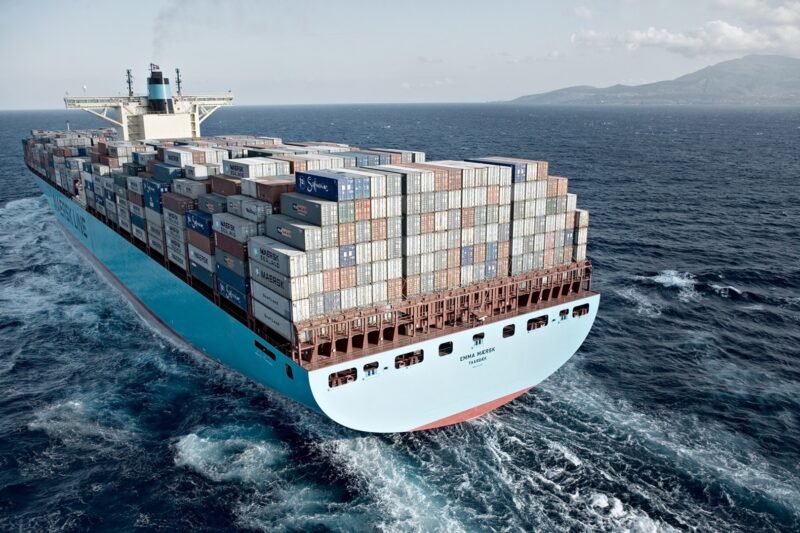
The potential overlap is narrow but consequential: reducing disruption to commercial shipping. Washington and Beijing could pursue that objective while continuing to disagree about responsibility for the conflict and the terms of a settlement.
For China, successful diplomacy could strengthen its claim to be a useful security interlocutor. For Washington, any channel that produces verifiable restraint could have practical value. These are possible incentives, not disclosed terms of a bargain.
Negotiations would still need to answer difficult questions: which actions stop first, who verifies compliance, and what follows a violation? Without those details, calls for restraint leave shipping companies to make their own risk judgments.
A meeting needs a measurable outcome
A leaders’ meeting could authorize further negotiations or clarify positions. It cannot, by itself, make a threatened shipping route commercially reliable.
Governments and businesses should watch for consistent public commitments, functioning follow-up channels and sustained improvements in safe passage. An isolated transit or conciliatory statement would provide weaker evidence than repeated, predictable operations.
WARYATV Assessment
The strongest reading is that both powers are maintaining room for diplomacy amid a costly regional crisis. The available reporting does not demonstrate a wider strategic reconciliation.
For Gulf exporters and import-dependent economies, including those in the Horn of Africa, the useful outcome would be more dependable deliveries and lower transport risk. The real test comes after the meetings: whether commitments change conditions at sea.