A Hormuz Deal Could Pause the War—While Expanding Iran’s Control
The United States, Iran and Oman are reportedly close to an interim agreement that could reopen the Strait of Hormuz for at least 60 days and create space for renewed ceasefire and nuclear negotiations.
Under the proposal, vessels entering the Gulf would use a northern route through Iranian waters, while outbound ships would travel through a southern lane in Omani waters. No tolls would be imposed during the temporary period, and Iran and Oman would work to clear mines from the central shipping lane within 30 days.
The agreement has not yet been formally announced, and important differences remain. Iran has sought authority over shipping movements and previously demanded fees, while Washington maintains that Hormuz must remain an international waterway with unrestricted commercial passage.
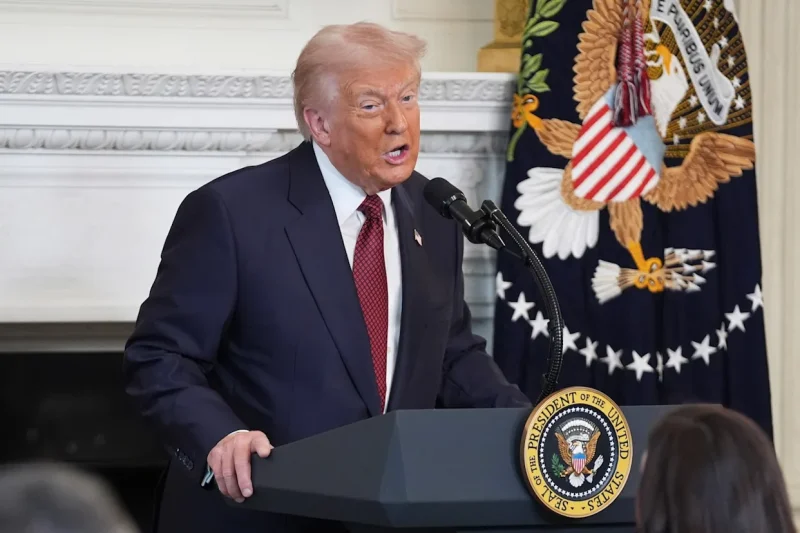
President Donald Trump is combining negotiation with an explicit threat of force. He said discussions were progressing but warned that Iran would be struck heavily if it withdrew from the emerging arrangement.
This pressure appears designed to prevent another collapse like the earlier interim understanding, which unraveled after renewed attacks on shipping triggered nearly two weeks of military escalation.
The proposed deal would deliver Washington’s immediate objective: restoring commercial traffic, lowering energy-market pressure and creating diplomatic space. Oil prices declined as expectations of an agreement grew, demonstrating how closely global markets are tied to even limited progress in Hormuz.
But the strategic price could be significant.
By directing inbound ships through an Iranian-controlled lane, the arrangement may implicitly recognize Tehran as a legitimate administrator of part of the strait. Iran would gain political status and a monitoring role in a waterway it has repeatedly used as leverage against the United States and the global economy.
The United States would secure temporary passage.
Iran would secure recognition of influence.
Oman would become the essential balancing power between them.
CENTCOM says the southern route remains open and that American forces have helped more than 1,000 vessels transit over the past three months. That claim suggests the agreement is not simply about reopening a completely closed waterway, but restoring confidence, traffic volume and predictable rules for commercial shipping.
The larger nuclear dispute remains unresolved. A 60-day maritime arrangement may stop attacks and reopen negotiations, but it does not by itself settle Iran’s enrichment program, missile capabilities or support for regional armed groups.
WARYATV ASSESSMENT
The emerging Hormuz deal is best understood as a tactical ceasefire built around maritime necessity.
Trump needs the strait functioning without committing the United States to another destructive bombing campaign. Iran needs relief from military pressure while preserving its most valuable geographic bargaining chip.
Both sides could therefore claim victory.
Washington would say it restored freedom of navigation through strength.
Tehran would say the world accepted that Hormuz cannot be managed without Iran.
The agreement could prevent immediate war and stabilize global energy markets. But unless a permanent settlement protects genuinely international passage, the next crisis will begin from a new reality: Iran will have gained a recognized role in controlling the world’s most important energy chokepoint.