Connect with us

EDITORIAL

The Ethiopia-Somaliland MoU: A Power Play Somalia Can’t Match

Published

on

The winds of change are sweeping across the Horn of Africa, and at the center of this shift is the audacious partnership between Somaliland and Ethiopia. In a region riddled with instability, Somalia continues to cling to diplomatic overtures, desperately pleading with global organizations while holding onto fantasies of dominion over Somaliland. Yet, in reality, it’s Somaliland and Ethiopia forging ahead with a groundbreaking agreement that is not only reshaping regional geopolitics but also standing as a testament to the triumph of vision over stagnation.

For far too long, Somalia has hidden behind a web of lies and international propaganda, selling the narrative that Somaliland remains part of its territory. But the truth, deeply etched in the sands of history, tells a different story. Somaliland earned its independence on June 26, 1960, while Somalia was still grappling with the chains of Italian colonization. Somalia’s denial of Somaliland’s sovereignty and their contemptuous treatment of the region during years of injustice cannot be erased. Today, the Somali government’s wild claims are unraveling, exposing the deep-rooted hatred and corruption that has long driven their agenda.

A Game-Changer for the Horn of Africa Amid Somalia’s Desperate Diplomacy
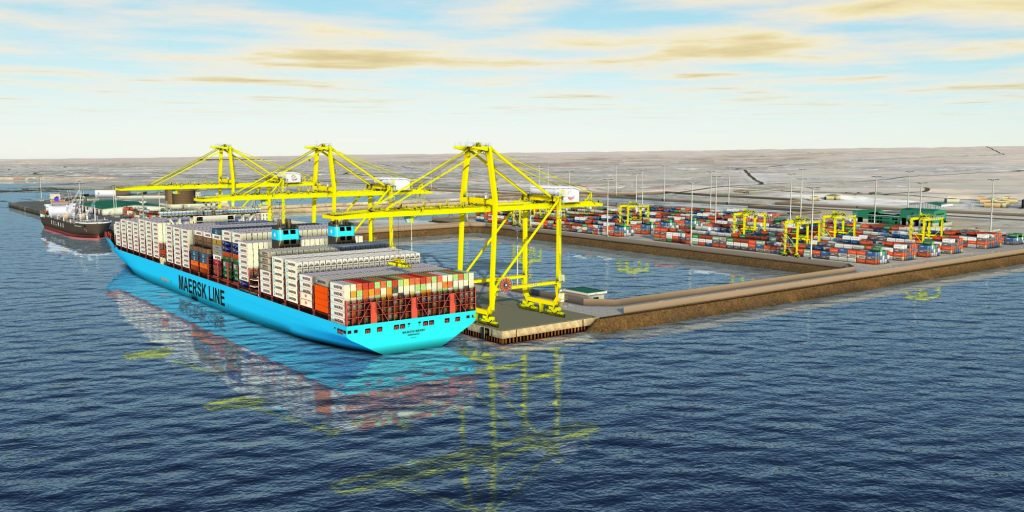
Berbera Port – Somaliland

As Somalia futilely attempts to win favor from international organizations, Somaliland and Ethiopia are delivering results. The Memorandum of Understanding (MoU) between these two neighbors, signed in January, is nothing short of a game-changer. It marks a pivotal step toward regional growth and security, cutting right through the noise of Somalia’s diplomatic scrambling.

This agreement is not just a piece of paper – it’s a full-blown blueprint for the future. Somaliland and Ethiopia are looking beyond borders and bureaucracy, focusing on what truly matters: economic integration, infrastructure development, and robust security cooperation. The Berbera port and the Berbera Corridor, set to link Berbera to Ethiopia’s Dire Dawa, symbolize a bold new era of trade, innovation, and job creation in the Horn of Africa. It’s a logistical lifeline that Somalia can only dream of, especially given the inefficiency and internal chaos that has paralyzed Mogadishu for years.

Advertisement

Ethiopia, a powerhouse of the region, sees the potential in this collaboration, choosing partnership with Somaliland over the constant instability and terrorist threats seeping out of Somalia. Addis Ababa’s decision to invest in Somaliland isn’t just economic – it’s a strategic decision to back stability over dysfunction, to choose vision over empty promises. This is what progress looks like, and Somalia simply can’t keep up.

Somalia’s Desperation: Clutching at Straws in Global Diplomacy
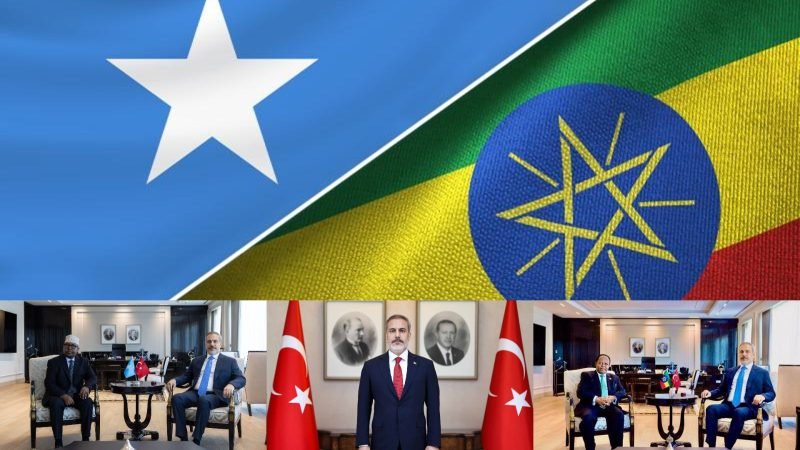
Meanwhile, Somalia’s President Hassan Sheikh Mohamud is racing against the clock, pulling every diplomatic string he can find. The urgency in his voice is palpable as he calls on everyone from the European Union to the Organisation of Islamic Cooperation to bail his country out of its self-made quagmire. Somalia is banking on international alliances, hoping to end the maritime dispute with Ethiopia, all while harboring dreams of reclaiming Somaliland. But Somalia’s problem runs far deeper than territorial disputes. It’s a nation riddled with corruption, political interference, and a leadership system broken beyond repair.

This is a government that turns a blind eye to the daily terrorist attacks ravaging its land while claiming moral authority over Somaliland. Just this week, Arab League ambassadors gathered in Mogadishu to declare support for Somalia’s sovereignty. Yet, behind those hollow statements lies a crumbling state that has failed time and time again to provide security or economic hope for its people. As Egyptian soldiers pour into Somalia under the guise of support, Ethiopia’s frustration is boiling over, and rightly so. Somalia’s alliances with external players like Egypt are seen as preparation for conflict, sparking concerns throughout the region. Ethiopia will not sit idly by as its neighbor drums up support for war.

Advertisement

Somaliland: The Beacon of Stability and Vision in a Chaotic Region
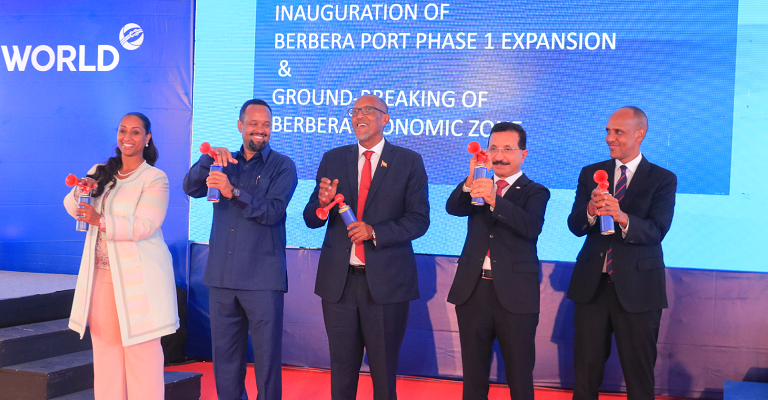
DP World and Somaliland open new terminal at Berbera Port

In contrast, Somaliland stands tall, a beacon of stability and forward-thinking leadership. The Ethiopian-Somaliland MoU is a landmark moment that transcends politics. It represents a future where regional stability isn’t dictated by external forces, but by countries willing to take bold steps toward mutual prosperity. Security is at the core of this MoU, with commitments to combat terrorism, piracy, and human trafficking – issues that Somalia has consistently failed to address. Somaliland and Ethiopia’s collaboration on intelligence-sharing and military capacity-building is a direct response to the security vacuum left by Somalia’s incompetence.

Let’s not forget the human aspect of this story. While Somalia’s leaders bicker and posture on the global stage, Somaliland’s people are seeing real change. Jobs are being created, infrastructure is being built, and communities are thriving under a leadership that prioritizes their well-being. The Berbera Corridor alone promises to transform lives, turning the once-sleepy port into a vibrant logistics hub that links Ethiopia’s bustling economy with global markets.

Ethiopia’s Growing Power: Partnering with Global Giants
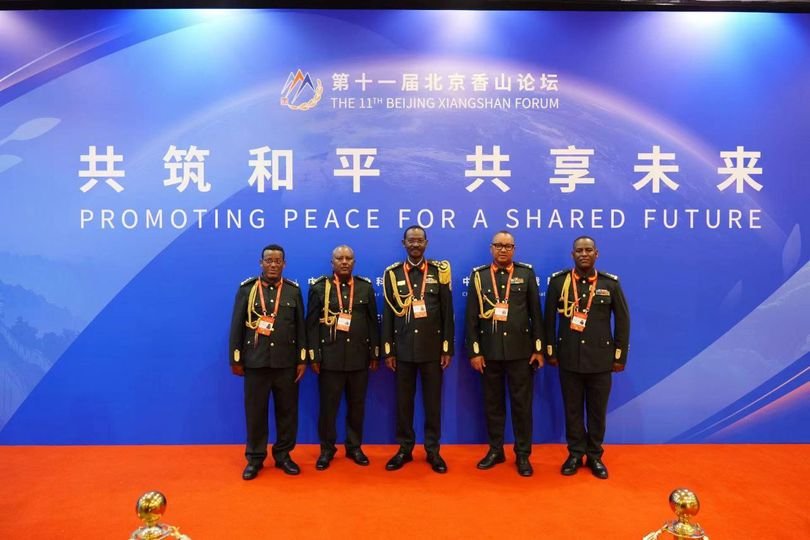
On the international front, Ethiopia is proving its mettle as a force to be reckoned with. As top Ethiopian military officials, including Field Marshal Birhanu Jula, meet with Chinese counterparts at the 11th Beijing Xiangshan Forum, the message is clear: Ethiopia is playing the long game. Its focus on fifth-generation warfare (5GW), military technology, and strategic partnerships is setting the stage for Ethiopia to become a regional military heavyweight. The collaboration with China underscores Ethiopia’s ambition to dominate not just economically but also militarily in the Horn of Africa.

In stark contrast, Somalia remains woefully behind, stuck in a cycle of dependency on foreign troops and aid, unable to secure its own borders or maintain peace within its fractured political landscape.

Advertisement

The Horn of Africa’s Future Is Being Decided Now
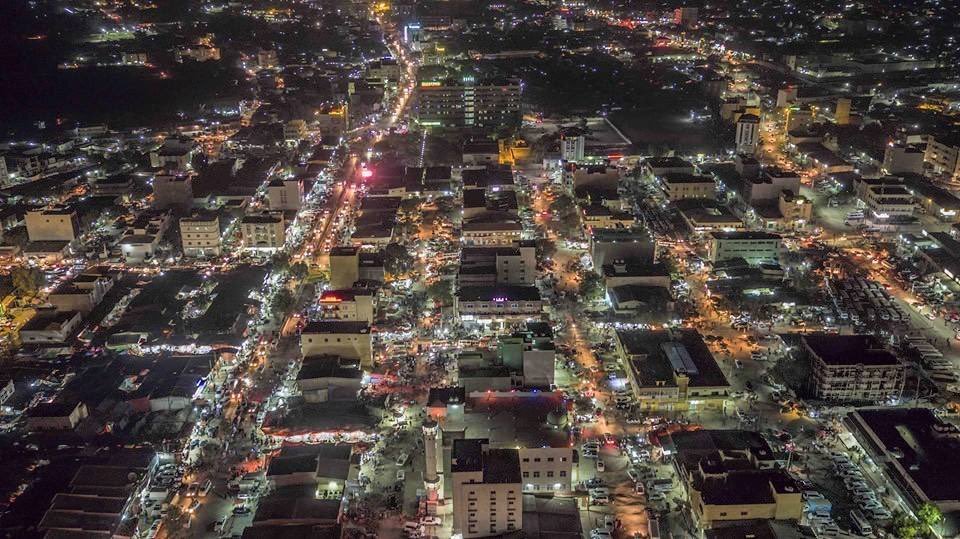
Hargeisa, Somaliland

The writing is on the wall. Somaliland and Ethiopia are charting a new course for the Horn of Africa, one that is built on stability, innovation, and cooperation. Meanwhile, Somalia, entangled in its own internal strife and broken governance, is left clutching at diplomatic lifelines that may soon snap under the weight of its failures.

It’s time for the world to recognize Somaliland for what it truly is: a sovereign, progressive nation that is ready to lead the Horn of Africa into a prosperous future. Somalia’s attempts to rewrite history and drag the region into chaos must be rejected. The time has come for bold action, for partnerships that matter, and for a future that Somaliland and Ethiopia are already building – with or without the world’s recognition.

The question now is, which side of history will the international community choose?

Advertisement

Analysis

Somaliland’s President Irro Engulfed by Political Fragmentation

Published

on

Clan Tensions and Cabinet Chaos: Inside President Irro’s Most Dangerous Political Test.

HARGEISA — Not even a year into his presidency, Abdirahman Mohamed Abdullahi Irro finds himself boxed in by a convergence of political crises that threaten to overwhelm his administration.

What was meant to be a period of consolidation after a peaceful transfer of power has instead devolved into a landscape marked by factionalism, clan pressures and mounting diplomatic vulnerabilities. The stability that Somaliland has long projected to the world is now showing visible cracks.

Advertisement

The confrontation involving former president Muse Bihi Abdi at Cigaal International Airport has become the catalyst for a broader political unraveling.

What began as a dispute over vehicle access quickly escalated into gunshots, public outrage and, most dangerously, the mobilization of armed groups aligned with Bihi’s political base.

Their demand for an official government apology—accompanied by threats of retaliation—amounts to political coercion rooted in clan-based muscle. For a state that defines itself by its break from the militia politics of early 1990s Somaliland, this moment is deeply destabilizing.

Advertisement

Instead of containing the fallout, the government’s response intensified it. A statement by Minister of the Presidency Khadar Hussein Abdi—offering an apology while asserting that “Muse Bihi was wrong”—landed with equal parts confusion and frustration.

It signaled not conciliation but disarray, feeding into a growing perception that the executive is reactive, divided and unable to project coherent authority. For an administration already struggling to demonstrate internal discipline, the episode has become a symbol of weakness.

The airport standoff is only the most visible manifestation of a larger internal drift. Within Irro’s cabinet, conflicting public messages have become common, reflecting either poor coordination or deep ideological fissures. Both interpretations point to a governing structure that lacks cohesion at a time when unity is essential.

Advertisement

More alarming is the resurgence of clan politics, an old fault line that Somaliland worked for decades to contain. The recent dispute over the publication of the “Xeer Iise” customary law book revealed the administration’s inability to manage competing clan pressures.

The government’s abrupt reversal—from accepting the book to banning it amid rising tensions—underscored an executive caught between asserting national authority and placating powerful local constituencies. Meanwhile, clan elders increasingly dominate media debates in place of elected officials, signaling a drift away from institutional governance toward tribal arbitration.

This internal fragmentation comes at the worst possible moment. President Irro campaigned on the promise of achieving international recognition by late 2025—a deadline that now appears politically and diplomatically unrealistic.

Advertisement

Recognition requires stability, unity, and a government capable of demonstrating institutional maturity. Instead, Somaliland today presents an image of fracturing political order just as Somalia is exploiting diplomatic tools—such as new e-visa restrictions—to reinforce its own sovereignty narrative.

The cumulative effect is stark: President Irro is not navigating a temporary turbulence but confronting a structural crisis that threatens the foundations of Somaliland’s political model.

If unchecked, these overlapping fractures risk eroding three decades of hard-won statehood and weakening the very case for recognition that once defined his presidency.

Advertisement
Continue Reading

Analysis

Why Somaliland Is a Target of Global Disinformation Campaigns—and Who Is Behind Them

Published

on

Somaliland Faces a Coordinated Misinformation Assault: Evidence of Foreign Influence Campaigns Emerges. 

The daily churn of online debate in Somaliland has begun to reveal something far more consequential than the fleeting noise of social media.

What once looked like ordinary digital conversation has hardened into a battlefield where no armies appear and no shots are fired, yet the damage reaches deeper than any conventional conflict.

Advertisement

Somaliland, like many small and transitional democracies, now sits squarely in the sights of a relentless information war—one designed to fracture trust, poison public discourse, and destabilize political gains at a moment when the country is making unprecedented diplomatic strides.

Under President Abdirahman Mohamed Abdullahi Irro, Somaliland has entered a rare period of international visibility, engaging with Djibouti, Kenya, the UAE, Qatar, and other regional partners in ways that strengthen its claim to recognition.

But progress has also made Somaliland a target. External actors—state-aligned, interest-driven, or opportunistic—have exploited digital platforms to push misinformation, inflame internal tensions, and project the illusion of widespread dissent.

Advertisement

The aim is to create psychological disruption before political disruption: to weaken a rising state by attacking its confidence from within.

A central element of this campaign is the weaponization of diaspora voices. A segment of Somalilanders living in Europe and North America have used geographic distance as a shield, spreading radical rhetoric, financing local unrest, and fueling clan-based hostility with an intensity rarely seen among those who actually live inside Somaliland.

Germany’s investigation into Somali influencers active during the Las Anod conflict—involving individuals who openly boasted about militia activity despite holding no valid asylum status—revealed a deeper security gap.

Advertisement

These actors not only import their conflicts into host countries, but they export new waves of grievance back home, often with devastating effect.

Such influence operations are neither spontaneous nor unique to Somaliland. A 2018 RAND Corporation study analyzing more than 22 million tweets exposed how foreign propaganda networks impersonate local identities to manipulate national conversations.

These networks mimic dialects, humor, and social norms to project manufactured sentiments as if they were authentic public opinion.

Advertisement

For years, versions of this tactic circulated widely in Somaliland’s digital sphere. Accounts posing as locals—writing in colloquial Somali, referencing local grievances—were later revealed through platform geolocation tools to be operating thousands of miles away.

The revelation was less a surprise than a confirmation of what many suspected: a coordinated effort to simulate internal division where none existed.

The objective of such campaigns is rarely to persuade people of a specific lie. It is to erode the very idea of truth. Once the public distrusts all narratives—official, journalistic, or grassroots—the battlefield is won. And in a region shaped by fragile institutions and clan-based political dynamics, the consequences of that fog are immediate and dangerous.

Advertisement

Somaliland’s adversaries have adapted their operations to the country’s changing geopolitical environment. As President Irro accelerates diplomatic outreach, the disinformation directed at him has intensified.

stories, manipulated videos, and coordinated misinformation echo across social platforms moments after major foreign policy announcements. Reliable sources indicate these attacks are not isolated but synchronized by anti-Somaliland factions seeking to undercut the country’s growing legitimacy.

Countering this offensive requires a strategy that extends beyond policing rumors. The government must formally alert host nations to the activities of diaspora actors who use Western legal protections to direct instability back home.

Advertisement

There is precedent: European states—Germany in particular—have begun scrutinizing communities whose online incitement has real-world consequences. Somaliland’s diplomatic corps can and should press for accountability.

At home, the Ministry of Information must confront the foundational weakness that makes these campaigns effective: a population that has never been structurally trained to interrogate what it sees online.

Media literacy is no longer an optional reform; it is a national security imperative. A core curriculum that teaches young people how to assess sources, identify manipulation, and understand algorithmic amplification would do more to defend the country than any reactive press conference.

Advertisement

Public institutions must also communicate faster and more transparently, giving citizens timely, factual information before manufactured narratives fill the void.

Somaliland has not been alone in confronting this landscape. Saudi Arabia, among others, has shown how sustained awareness campaigns and improved verification tools can help societies differentiate real sentiment from engineered outrage.

But Somaliland’s resilience will ultimately depend on individual vigilance—the ability of citizens to pause, question, and examine before sharing the content that adversaries rely on to inflame division.

Advertisement

The digital conflict facing Somaliland is a psychological one: a war against trust, identity, and the fragile sense of shared belonging that sustains any nation.

Its weapons are cheap, its operatives invisible, and its impact profound. Yet its greatest vulnerability remains the informed citizen. No technology—no matter how sophisticated—can substitute for a society that refuses to be manipulated.

Countering the Threat: Hostile Information Campaigns Against Somaliland

Advertisement

Somaliland’s Information War Is a Threat to National Security

How Misinformation Is Threatening Somaliland’s Stability

Advertisement
Continue Reading

EDITORIAL

Irro’s Leadership Tested as Opposition Pushes $15 Million Election Sabotage

Published

on

DELAY = DISASTER: How Postponing 2026 Elections Could Destroy Somaliland’s Recognition Dream.

Somaliland’s political institutions face a pivotal test as disputes over voter registration and election timetables threaten to derail the country’s May 2026 presidential elections — a development that could significantly weaken Somaliland’s international credibility and complicate its long-standing bid for recognition.

The current standoff centers on opposition demands for a full voter re-registration process, a costly undertaking estimated at roughly $15 million. The National Electoral Commission (NEC), however, has proposed a $7 million update of the existing voter roll, arguing that a complete overhaul is unnecessary and would almost certainly force a delay of the 2026 vote.

Advertisement

At stake is far more than administrative procedure. Somaliland’s reputation as a stable, democratic outlier in the Horn of Africa has long been the backbone of its diplomatic outreach. Western partners often cite the country’s commitment to regular elections and institutional resilience as core components of its case for statehood.

A timely election would reinforce that narrative, demonstrating that political institutions — particularly the NEC — are capable of resisting partisan pressure and managing electoral disputes without external intervention.

A delay, however, would carry significant political and diplomatic costs, raising questions about institutional independence and reviving concerns about constitutional uncertainty that have shadowed previous election cycles.

Advertisement

President Abdirahman Mohamed Abdullahi Irro has made an on-time election a pillar of his administration, publicly pledging to support the NEC’s preparations. A successful May 2026 vote, would mark an early constitutional victory for the new president, bolstering both his political mandate and Somaliland’s international positioning.

But if the government is compelled to accept a full re-registration — a process that requires major financial resources and extended timelines — the setback would be significant.

It would not only undercut the president’s central promise but also strain public finances already committed to drought response, security operations, and other urgent national priorities.

Advertisement

The dispute also carries internal political implications. A prolonged delay could benefit opposition parties by offering more time for internal restructuring, realignment of factions, and consolidation of leadership positions.

At the same time, it risks undermining the aspirations of parliamentary and local candidates who depend on electoral certainty — turning what is envisioned as a national democratic process into a partisan contest over timing.

Beyond politics, the financial cost of a full re-registration poses its own challenge. The NEC’s streamlined update process is significantly cheaper, while the more expansive option sought by the opposition represents an additional $8 million in expenditure at a time when government revenues remain constrained.

Advertisement

Critics say the insistence on the higher-cost option appears designed to exert pressure on the administration rather than to address genuine electoral concerns.

Ultimately, the credibility of the 2026 elections — and the degree to which Somaliland’s institutions are perceived as resilient — will shape international engagement long after the vote.

Diplomatic partners have routinely emphasized that Somaliland’s democratic track record remains central to their willingness to deepen cooperation.

Advertisement

If elections proceed on time, Somaliland stands to strengthen its claim to recognition and reinforce its image as a stable and self-governing democracy. If they do not, analysts warn that the delay may erode hard-earned diplomatic capital and slow the momentum that Somaliland has built in recent years.

Somaliland President Irro Pledges On-Time Elections, Ensures NEC Support

Election Delay Plot Exposed: Opposition Exploits Voter Registration to Mask Internal Weakness

Advertisement

Western Diplomats Applaud Somaliland’s Elections, Urge Candidates to Respect Results

Brenthurst Foundation Observes “Free, Fair, and Credible” Somaliland Elections Amidst Challenges

Advertisement
Continue Reading

EDITORIAL

The Man in White: Irro’s Peace Could Redefine Africa’s Blueprint for Stability

Published

on

President Irro’s journey to Erigavo marks a turning point for Somaliland—and a potential model for a continent desperate for peace.

In Somaliland, President Abdirahman Irro’s daring peace mission to Erigavo blends diplomacy, tradition, and moral authority. His “Irro Doctrine” could redefine how Africa resolves its own conflicts.

HARGEISA, SOMALILAND — When President Abdirahman Mohamed Abdillahi (Irro) stepped onto the tarmac in Erigavo draped in a white peace sheet, it was more than symbolism—it was a declaration. Behind him stood Grand Sultans and Garads, robed in matching white.

Advertisement

Ahead lay Erigavo, a city scarred by clan clashes yet brimming with the possibility of reconciliation.

This was no ordinary political tour. It was a pilgrimage for peace—an audacious act by a leader betting his young presidency on the one currency Somaliland has long mastered: stability.

A Homegrown Model for Peace

President Abdirahman Mohamed Abdillahi (Irro)

Somaliland’s survival story is an anomaly in African politics. While much of Somalia splintered into factional chaos after 1991, this unrecognized republic built order from the ruins—anchored not in foreign aid or international mediation, but in Guurti-led reconciliation and the indigenous code of Xeer.

Irro’s Erigavo Peace Initiative revives that founding logic. It marries statecraft with cultural legitimacy—bringing together elders, sultans, and political leaders in a process no foreign envoy could replicate.

Advertisement

“Our President’s key policy is to bring all Somaliland citizens together—healing divisions and strengthening our nation,” said Minister Khadar Hussein Abdi. “The world has much to learn from Somaliland’s unique path to peace.”

Crisis into Mandate

The peace mission comes after months of violent flare-ups in Sanaag, where over 45,000 families fled their homes amid militia clashes. Rather than deploy overwhelming force, Irro has chosen to nationalize the militias through security integration while simultaneously launching a grassroots reconciliation campaign—a dual strategy blending authority and empathy.

A former diplomat and Somaliland’s longest-serving parliamentary speaker, Irro brings a distinct pedigree to the crisis: a Cold War-trained statesman who believes stability is built from within.

Advertisement

His diplomatic outreach—to Kenya, the UAE, and Ethiopia—underscores a vision of Somaliland not as an isolated enclave, but as a regional stabilizer in a volatile Horn of Africa.

The Irro Doctrine

President Abdirahman Mohamed Abdillahi (Irro)

What’s emerging in Somaliland is more than a peace process—it’s a political philosophy. The “Irro Doctrine” rests on three pillars:

  • Local ownership over foreign mediation;

  • Cultural integration of elders and customary law into modern governance;

  • Sacrificial leadership, where a president walks among his people not as a ruler, but as a reconciler.

This approach contrasts sharply with the externalized peace models dominating African diplomacy—from Sudan’s fractured truces to Congo’s endless summits. The difference lies in legitimacy. Irro’s authority stems from tradition, not treaties.

A Lesson for Africa

If the Erigavo conference delivers what it promises—an end to displacement, disarmament of militias, and genuine local reconciliation—Somaliland will not just secure its internal peace.

Advertisement

It will offer Africa a rare template: an indigenous, non-militarized approach to post-conflict nation-building.

For a continent weary of imported solutions and failed transitions, Irro’s white robes may come to symbolize something larger—a return to moral leadership grounded in heritage and humility.

The man in white is not just seeking peace for Sanaag. He is quietly reminding Africa that its salvation may lie not in the corridors of international diplomacy, but in the ancestral courtyards where its people first learned to make peace.

Advertisement

Warsangeli Clan Declares Unity Amid Escalating Violence in Erigavo

Somaliland’s Call for Dialogue in Sool and Sanaag Conflicts

Somaliland Moves to End Conflict in Erigavo: Peace, Nationalization, and Unity for a Stable Future

Advertisement

Erigavo: Somaliland’s Peace Initiative

SSC-Khatumo Declares War for Erigavo Amid Geopolitical Shifts Undermining Somaliland

Tensions Boil Over in Somaliland’s Sanag Region: Erigavo at the Brink of Full-Scale Conflict

Advertisement

Somalia’s Shadow War in Erigavo: Is Hassan Sheikh Mohamud Fueling Conflict?

Somaliland Locks Down Erigavo Amid Clan Power Struggle

From Conflict to Control: Civilian Disarmament Completed in the East

Advertisement

Heroes of the Nation: VP + General: One Nation, One Army — Somaliland Stands United

Somaliland’s Council of Ministers Convenes to Fortify National Development and Security

Somaliland Advances Nationalization of Civilian Army Amid Internal Challenges

Advertisement

SSC Khatumo Calls for Offensive, Somaliland Faces Backlash Over Militia Nationalization

Continue Reading

EDITORIAL

Somaliland’s President Irro Turns Vision Into Action

Published

on

Lower electricity bills, new schools, modern hospitals—inside the president’s drive to build a stronger, fairer republic.

It is a rare thing in politics to watch campaign promises so swiftly transformed into tangible projects. In Somaliland, President Abdirahman Mohamed Abdullahi (Irro) has, in less than a month, shown that leadership can mean more than speeches and symbolism. It can mean water running in new pipes, oxygen flowing into hospital wards, and classrooms filled with the next generation of Somaliland’s thinkers and leaders.

In Boorama, Gabiley, Hargeisa, Berbera, Oodweyne, and Burco, the past three weeks have felt like a cascade of change. Where citizens once carried water in jerrycans for miles, new wells and dams promise relief. Where hospitals once rationed critical supplies, modern oxygen generators now stand ready. And where students once dreamed of opportunity, graduation ceremonies at Amoud and Tima’ade universities have become celebrations of both personal and national progress.

Advertisement

Irro calls this governing philosophy Wadajir iyo Waxqabad—Unity and Action. The phrase is more than a political slogan; it is a strategic blueprint. Unity, in this context, means ensuring development is not hoarded by the capital but shared by every region. Action means delivering services not on paper but in bricks, pipes, wires, and working machinery.

The approach is deliberately decentralizing. By investing directly in local infrastructure—water plants in Gabiley, stadiums in Oodweyne, research centers in Daad-Madheedh—the administration is weaving together Somaliland’s diverse regions into a stronger, more cohesive whole. The signal is unmistakable: prosperity must be national, not regional; development must be felt by farmers in Wajaale as much as by traders in Berbera.

Nowhere is the ambition clearer than in water. From the Kalqoray Dam in Hargeisa to the Berbera Water Expansion Project and the desalination initiative in Gabiley, the government is attacking the scarcity problem at its root. Clean, reliable water is not just a social good; it is a foundation for health, agriculture, and economic growth. In a region where climate change has turned scarcity into crisis, Somaliland is quietly rewriting the narrative.

Advertisement

The same is true in healthcare. With new oxygen facilities in Gabiley and Boorama, and a specialty hospital under construction in Burco, Irro’s government is not simply patching holes—it is modernizing an entire system. Education, too, is receiving structural investment: land for Amoud University in Hargeisa, an Agricultural Research Center at Tima’ade, and seven new schools laid down in Daad-Madheedh. These are not the gestures of an administration content with managing decline. They are the scaffolding of a state preparing to endure.

Infrastructure and economics remain the other half of the equation. Roads and ports—Lughaya, Boorama Airport, the Boorama-Lawyacaddo corridor—are the arteries of Somaliland’s economic future. Reducing electricity prices in Berbera, Boorama, Gabiley, and Burco signals a government willing to use policy levers to ease daily burdens and stimulate growth. Even sports, often dismissed as non-essential, are treated here as instruments of nation-building: stadiums that will give young people pride, structure, and a sense of belonging.

The cumulative effect is striking. In place of distant promises, Somalilandis are seeing progress in their neighborhoods, their schools, their hospitals. For a country whose democratic experiment has long drawn praise abroad but frustration at home, Irro’s early months suggest a recalibration: democracy that delivers.

Advertisement

It is still early days, of course. Challenges remain—finances are tight, regional pressures are constant, and global recognition remains elusive. But if the measure of a presidency lies in whether people’s lives are visibly improved, then Somaliland has, at last, a leader who seems determined to ensure the state serves its people in ways both practical and profound.

The historian’s test is always whether leaders leave behind symbols or systems. President Irro appears intent on building the latter. And that may be the legacy Somaliland needs most.

Advertisement
Continue Reading

EDITORIAL

Somaliland’s President Nominates Trump for Nobel Peace Prize

Published

on

Trump, Somaliland, and America’s Next Strategic Opportunity.

By nominating Donald J. Trump for the Nobel Peace Prize, Somaliland’s President Abdirahman Mohamed Abdullahi (Irro) did more than flatter a global figure. He put forward a challenge: will the United States finally recognize a democracy that has proven its stability in one of the world’s most fragile regions?

For more than three decades, Somaliland has charted its own course—building democratic institutions, holding regular elections, maintaining internal security, and fostering economic growth. It has done this without the benefit of international recognition, even as it has consistently demonstrated the very values that Washington claims to prize: democracy, rule of law, and counterterrorism partnership.

Advertisement

President Trump’s record suggests he could be the one to break this deadlock. His foreign policy has always been less about process and more about outcomes. In Asia, the Middle East, and beyond, he has shown a willingness to engage unconventionally where traditional diplomacy failed. Somaliland sees in this style not just boldness but an opportunity: the chance for their long quest for recognition to be met with decisive U.S. action.

For Washington, recognition of Somaliland is not an act of charity—it is a strategic investment. The Horn of Africa is increasingly a theater of great-power competition. China has entrenched itself in Djibouti with its only overseas military base. Russia has been probing for port access in the Red Sea. Instability in Somalia continues to provide oxygen to al-Shabaab, a terrorist network with transnational reach. In this volatile mix, Somaliland stands out as a natural U.S. partner: secure, democratic, and eager for closer ties with the West.

Recognition would give the United States a reliable foothold in a strategic corridor linking the Red Sea, Gulf of Aden, and Indian Ocean. It would strengthen America’s hand in counterterrorism cooperation, maritime security, and regional diplomacy. And it would send a powerful message: that democracy and resilience will be rewarded, not ignored.

Advertisement

Critics will argue that recognition risks destabilizing Somalia. Yet Somalia has been destabilized not by Somaliland’s independence, but by its own governance failures: a cycle of clan-based politics, corruption, and insurgency that has consumed international aid for decades with little to show. Somaliland’s success is not the cause of Mogadishu’s weakness—it is the counterexample.

President Irro’s nomination of Trump for the Nobel Peace Prize is therefore more than symbolic. It is a signal of trust in a leader who has built his political brand on challenging orthodoxy.

Trump has already positioned himself as a “peacemaker president,” promising to end protracted conflicts abroad. Here is an opportunity to do just that: recognize a democracy that has delivered peace for its own people, and in doing so, advance America’s security and strategic interests.

Advertisement

Somalilanders have waited patiently for 33 years. They are not asking the United States to build their democracy—they already did that themselves. What they are asking is recognition of reality: a stable, democratic partner in a region where the U.S. needs reliable allies more than ever.

President Trump could be the one to deliver it. And if he does, it would not only justify Somaliland’s faith in him but also remind the world that American leadership, when bold, can still reshape the map in favor of freedom and stability.

Advertisement
Continue Reading

EDITORIAL

Somaliland: How Fake and Expired Medicines Are Putting Lives at Risk

Published

on

An Unseen Crisis: The Dangers of Fake Medicine in Somaliland.

A recent police bust in Hargeisa didn’t just uncover a racket—it exposed a system. When officers arrested four Yemeni nationals allegedly repackaging expired drugs and doctoring expiry dates, they seized about $9,000 worth of products and cartons imported from China designed to make old medicines look new. If that sounds small, it’s because it’s the tip of a much larger iceberg.

The February 18 operation showed how easy it is to recycle expired drugs back into the market. The method is simple and deadly: repackage, relabel, and resell. People buy what they believe are safe medicines; instead, they take products that may be ineffective at best and lethal at worst.

The gaps don’t end at one warehouse. Weak oversight has allowed unqualified operators to open “clinics,” sell drugs, and even obtain fake medical certificates in minutes. Diagnosis is often guesswork; prescriptions can be profit-driven. As one source put it, some centers behave “like drug dealers,” keeping customers dependent rather than getting them well. It’s no surprise many patients now travel to Ethiopia or India for care they trust.

Advertisement

Consider Sado Mohamud from northern Hargeisa. She’d managed high blood pressure for years. After a new prescription from an unqualified provider, she suffered a stroke the next day. Her family complained; the clinic said the staffer was fired. Dozens of women nearby have reported similar outcomes—illness, coma, even death—shortly after taking medicines from rogue clinics. Behind every “case” is a family absorbing the loss.

Somaliland relies almost entirely on imported drugs. Without a strong screening and quality-control system, counterfeit and substandard products slip through. The well-off can source trusted medicines from abroad; most people can’t. That leaves the majority exposed to a market where the incentives favor volume over safety.

The wider picture: counterfeits kill

This isn’t a niche problem. Globally, estimates suggest up to a quarter of all drugs sold are fake—and in parts of Africa and Asia the share can exceed 50%. Counterfeits range from pills with no active ingredient (which fail to treat illness and fuel antibiotic resistance) to products cut with toxic substances. Past scandals—like fake versions of the cancer drug bevacizumab containing starch and salt, or a heparin contamination linked to dozens of deaths—show how quickly bad medicine becomes a mass-casualty event. Uncertain dosage and tainted injectables add infection, organ damage, and paralysis to the list of risks. The through-line is simple: counterfeits can kill and they destroy trust in the health system.

Advertisement

What must happen now

Somaliland doesn’t need to reinvent the wheel; it needs to enforce it.

  • Emergency market sweep: Conduct immediate inspections of pharmacies, depots, and clinics; seize and destroy suspect stock.

  • Licensing and closure powers: Freeze new licenses, audit existing ones, and shutter noncompliant outlets. Tie dispensing rights to verified credentials.

  • Border and import controls: Require batch-level documentation, random lab testing on arrival, and serialisation/barcoding to track products.

  • Criminal accountability: Fast-track prosecutions for relabeling, repackaging, or selling expired and fake drugs. Publicly name offenders to deter copycats.

  • Whistleblower protection and hotlines: Make it safe—and worthwhile—for insiders and patients to report bad actors.

  • Clinical guidance and audits: Issue clear prescribing rules, audit high-risk prescribers, and retrain or remove unqualified staff.

  • Public awareness: Run simple campaigns—how to check a package, verify an expiry date, and avoid red flags.

  • Regional cooperation: Work with Ethiopia and other neighbors on shared watchlists and cross-border intel.

  • Independent quality testing: Stand up (or partner for) a basic medicines quality lab and publish results.

Accountability matters

Since the Hargeisa arrests, authorities haven’t provided a public update on charges, convictions, or broader reforms. Silence breeds impunity. Regular briefings—what was seized, who was charged, what changed—are as important as raids. People need proof the system protects them, not the profiteers.

Somaliland has built a reputation for stability against the odds. That credibility is now on the line in pharmacies and clinic back rooms. Crack down hard, communicate clearly, and make safe medicine the rule—not the exception. Lives depend on it.

Advertisement

Somaliland’s Crackdown: Yemeni Nationals Arrested for Repackaging Expired Medicine

Continue Reading

EDITORIAL

Irro Comes to Washington: The Small Bet With Outsized Payoff

Published

on

Continue Reading

Most Viewed