Washington warns Iran against escalating the conflict as Hezbollah leadership falls, while U.S. forces prepare for potential contingencies in the region.
The United States has bolstered its military posture in the Middle East, increasing air support and elevating the readiness of its forces in response to mounting concerns over the region’s instability. This shift comes after the assassination of Hezbollah leader Sayyed Hassan Nasrallah by Israeli forces, which has escalated cross-border hostilities and raised fears of Iranian retaliation.
The U.S. decision to increase its air support capabilities and elevate troop readiness sends a clear signal to Tehran and its proxies in the region. The Pentagon has emphasized that it is prepared to defend American personnel and interests if Iran or its allied groups attempt to exploit the volatile situation. This warning underscores Washington’s broader goal of containing the conflict and preventing further regional destabilization.
The exact size and nature of the additional air deployments remain unspecified, but the message is evident: the U.S. is taking a proactive approach to deter any potential aggression from Iran, Hezbollah, or other Tehran-backed militias. This military posture adjustment aligns with Washington’s broader Middle East strategy of deterrence, aiming to project strength while managing the complexities of ongoing conflicts.
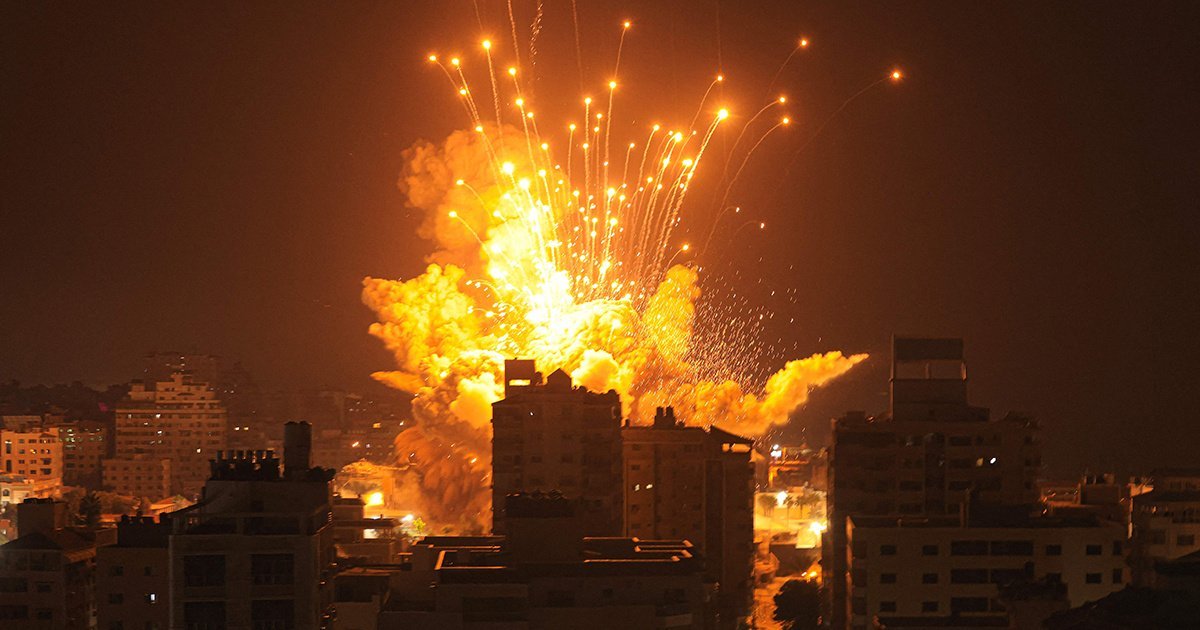
Israel’s targeted strikes have devastated Hezbollah’s leadership, including the killing of Nasrallah, a significant blow to the Iran-backed group. The loss of such a high-ranking figure leaves Hezbollah in a leadership crisis, raising questions about its ability to respond effectively. The United States, while closely monitoring Hezbollah’s next steps, is coordinating with Israel to assess the group’s potential attempts to reorganize and restore its influence in Lebanon and across the region.
Hezbollah’s weakened leadership may result in a temporary power vacuum, but it also creates an unpredictable environment that could provoke Iranian-backed militias or other actors to act more aggressively. The U.S., therefore, must strike a delicate balance between supporting Israel’s security operations and preventing a broader regional conflagration that could draw in multiple states and non-state actors.
The U.S. military’s posture adjustment also reflects the growing threat posed by Iran. Tehran’s longstanding support for Hezbollah and other proxies throughout the Middle East has been a focal point of its regional strategy. Iran’s influence stretches from Lebanon to Yemen, and it has proven adept at leveraging proxy forces to challenge U.S. and Israeli interests.
With Israel intensifying its strikes in Lebanon, there is concern that Tehran may feel compelled to respond directly or through its regional networks. The Pentagon’s warning, therefore, is not just rhetoric but a serious indication that any Iranian-backed escalation will be met with swift U.S. military action.
The Pentagon’s preparation for a possible evacuation of U.S. citizens from Lebanon, highlighted by the deployment of troops to Cyprus, is a precautionary measure amid escalating violence. While the State Department has not yet ordered a formal evacuation, these steps reflect the volatile security situation and Washington’s desire to be prepared for worst-case scenarios.
The broader implications of this crisis extend beyond Hezbollah and Iran. The U.S. is deeply concerned with maintaining stability in the Middle East, a region already plagued by numerous conflicts and fragile states. The fall of Hezbollah’s leadership, coupled with rising tensions involving Iran, could ignite broader unrest, further complicating the regional dynamics.
As tensions in the Middle East escalate, the U.S. faces a complex challenge. On the one hand, Washington must support Israel’s efforts to dismantle Hezbollah’s leadership while deterring further Iranian aggression. On the other hand, it must manage the risk of a broader conflict that could destabilize the region and threaten U.S. personnel and interests.
The current situation underscores the need for a nuanced strategy that balances military readiness with diplomatic efforts to de-escalate the conflict. With the U.S. military on heightened alert and prepared for various contingencies, the coming weeks will be critical in determining the direction of the conflict and Washington’s role in shaping its outcome.