Hamas leader killed in Tripoli airstrike, as Israel intensifies bombardments amid broader conflict with Hezbollah
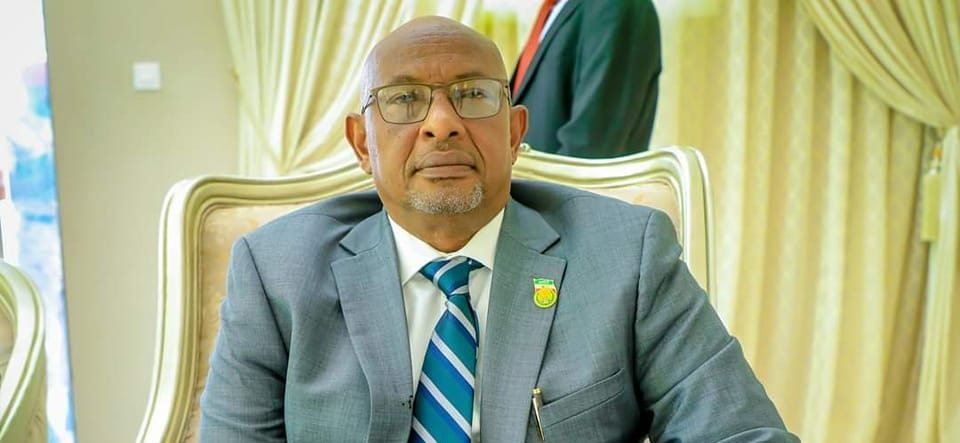
Israel’s recent airstrike in Tripoli, northern Lebanon, marks a significant escalation in its military campaign. Previously concentrated near Lebanon’s southern borders, Israel’s actions have now spread to urban centers far from Hezbollah’s strongholds, a shift that carries profound implications. In this latest attack, a senior Hamas official, along with his family, was killed in a Palestinian refugee camp in Tripoli. Israeli officials have not commented, but this strike deepens the entangled web of proxy warfare in the region, where Iran-backed Hezbollah and Hamas continue to challenge Israel’s military supremacy.
The ongoing conflict, rooted in the decades-old Israeli-Palestinian struggle, has morphed into a multifaceted battleground, with Hezbollah and Hamas coordinating operations and drawing on Iranian support. While Hezbollah has launched over 200 rockets into Israel recently, Israel’s military response has been nothing short of devastating, primarily targeting Hezbollah strongholds in southern Beirut and now expanding northward. Israel claims these strikes are aimed at dismantling military infrastructures, but Lebanese authorities assert that civilians bear the brunt of the attacks.
Tripoli, Lebanon’s Sunni-majority port city, has historically been removed from the direct impact of the Israeli-Hezbollah conflict, but its involvement signals a worrying expansion of the war’s geographical reach. With the northern Lebanese city now under fire, more Lebanese civilians find themselves caught in the crosshairs, raising international concerns. The death toll in Lebanon has climbed, with over 2,000 killed, and humanitarian organizations warn that the displacement crisis is worsening.
The humanitarian toll continues to mount. Strikes on medical facilities and civilians, including in Hezbollah-controlled areas, have sparked outrage from international organizations, with the U.N. denouncing the situation as “totally unacceptable.” Lebanon’s infrastructure, already fragile, struggles to cope with the growing number of displaced people, as over a million Lebanese have been forced to flee their homes. Many sought refuge in Tripoli or neighboring Syria, but Israeli airstrikes are closing off escape routes, adding to the region’s isolation.
Israel’s strikes are part of a larger military strategy that involves responding to Hezbollah and Hamas attacks on its own territory, including missiles launched at Israel’s main airport. While the Israeli government maintains that its operations are focused on military targets, Lebanon accuses Israel of indiscriminately targeting civilians. Meanwhile, Hezbollah, undeterred, continues its rocket fire, further inflaming the conflict.
Adding to the tensions, Israel’s recent killing of Hezbollah’s top military commander, Hassan Nasrallah, has left a leadership vacuum, further destabilizing the region. Although Nasrallah’s successor, Hashem Safieddine, was reportedly targeted in an underground bunker this week, Israeli officials have not confirmed his fate. The growing leadership void within Hezbollah complicates both the group’s operations and the broader geopolitical landscape in the Middle East.
At the core of this escalating conflict is Iran’s steadfast support of Hezbollah and Hamas. Israel, aware of Iran’s influence, has been weighing its response options following Iran’s ballistic missile strikes earlier this week. Talks of a potential attack on Iran’s oil infrastructure loom large, which could further destabilize the global energy market. As oil prices fluctuate in response to these tensions, the possibility of wider military engagement between Israel, Hezbollah, and their regional backers cannot be ignored.
President Biden has urged caution, asking Israel to consider alternatives to escalating tensions with Iran. However, as Hezbollah’s rocket fire continues and Israeli airstrikes persist, the region remains at a boiling point. With Hezbollah and Hamas gaining momentum, the stakes are higher than ever, and the path forward remains uncertain.
In the coming days, the world watches closely as the Israel-Lebanon conflict teeters on the edge of a wider regional war, with civilians trapped in the middle. How long this fragile state of heightened conflict can hold before erupting into full-scale warfare is a question that will shape the region’s future.