21% of the world’s oil passes through Hormuz. Iran just shut parts of it down. Message to Washington — or warning to the world?
Iran on Tuesday temporarily closed sections of the Strait of Hormuz for live-fire naval drills, marking the first such move since the 1980s and escalating tensions as nuclear negotiations with the United States continue in Geneva.
The Islamic Revolutionary Guard Corps announced that parts of the strategic waterway would be shut for several hours during exercises north-west of the USS Abraham Lincoln carrier strike group, while the USS Gerald R. Ford heads toward the region. Iranian state television aired footage of cruise missiles launched during the drills.
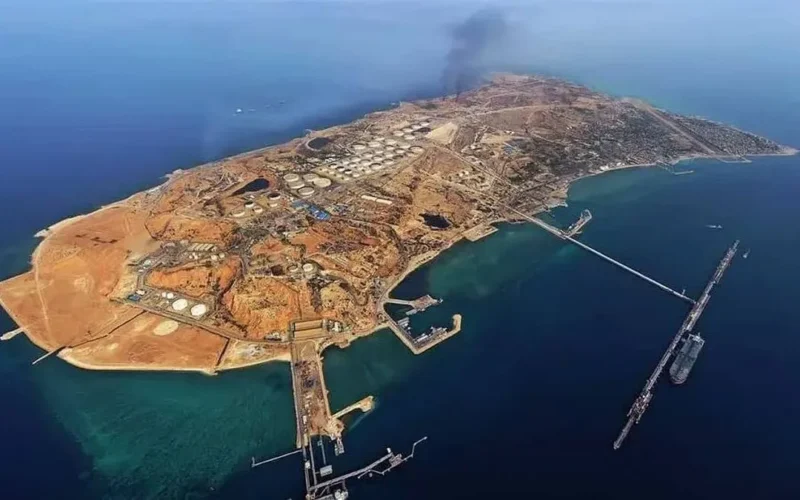
The Strait of Hormuz, a narrow corridor just 24 miles wide at its tightest point, handles roughly 21 percent of the world’s oil supply — about 21 million barrels per day. Any sustained closure would likely send global energy prices sharply higher and disrupt international markets. Iran has previously threatened to block the strait but has never fully closed it.
Supreme Leader Ali Khamenei intensified the rhetoric, warning that U.S. aircraft carriers could be sent “to the bottom of the sea,” dismissing American military superiority. The remarks appeared aimed as much at a domestic audience as at Washington, as Iran’s leadership faces internal divisions following a deadly protest crackdown earlier this year.
In Geneva, indirect talks mediated by Oman ended without a breakthrough. Foreign Minister Abbas Araghchi said the sides agreed on “guiding principles” and would exchange draft texts before a possible third round. A U.S. official said Tehran would return within two weeks with detailed proposals addressing remaining gaps.
Vice President JD Vance said the talks were mixed: “In some ways, it went well … but the president has set some red lines that the Iranians are not yet willing to acknowledge.” He reiterated that Washington would prevent Iran from obtaining a nuclear weapon “whether it’s through diplomatic options or through another option.”
President Donald Trump has maintained military pressure, deploying additional naval assets while insisting he prefers a negotiated settlement.
With naval drills underway, aircraft carriers in position and draft texts pending, the region now balances between diplomacy and deterrence — and the world’s energy markets are watching closely.