ECOWAS Plans 2,000-Troop Deployment by 2026 as Sahel Violence Spreads Toward Coastal States.
Thousands dead. Borders collapsing. Can a regional army stop West Africa’s spiraling insurgency?
West African leaders have agreed to activate the ECOWAS Standby Force (ESF) in response to escalating cross-border violence that has killed thousands and displaced hundreds of thousands across the Sahel and coastal states.
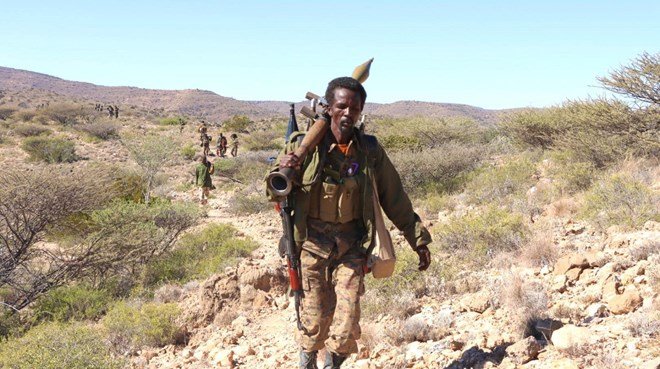
Military chiefs from the Economic Community of West African States met in Sierra Leone last week and endorsed a plan to mobilize an initial 2,000 troops by the end of 2026. The force is expected to target armed groups linked to al-Qaeda and ISIL that are expanding operations from Mali, Niger and Burkina Faso into Nigeria, Benin and Togo.
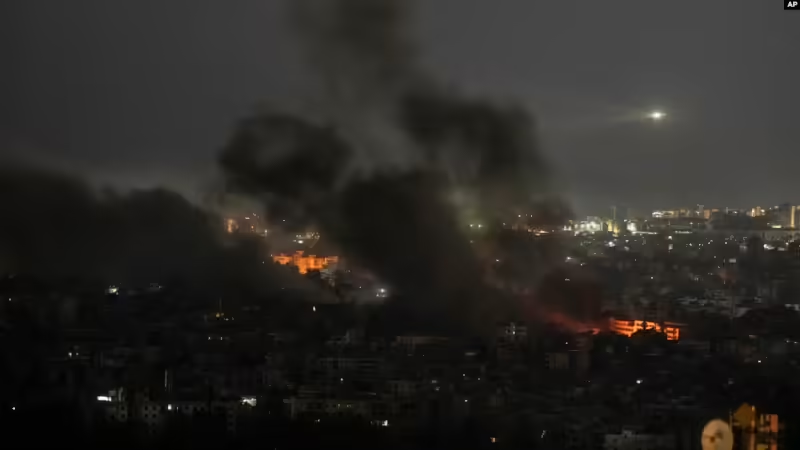
The Sahel has become one of the world’s deadliest conflict zones. Armed factions such as Jama’at Nusrat al-Islam wal-Muslimin (JNIM) and ISIL-affiliated groups have attacked military outposts, blocked fuel routes and even struck urban targets, including Niger’s capital earlier this year. According to regional monitors, nearly 13,000 conflict-related deaths were recorded in just the first half of 2025.
The ECOWAS Standby Force — previously known as ECOMOG — has a long history of intervention, including in Liberia, Sierra Leone, Côte d’Ivoire and The Gambia. Nigeria and Ghana traditionally provide the largest contingents. Unlike typical UN missions, past ECOWAS deployments have engaged directly in combat.
But this new mission presents tougher challenges.
First, funding. Nigeria — historically the bloc’s backbone — faces domestic economic strain and multiple internal security crises. Its military is already stretched combating insurgents in the northeast and armed gangs in other regions.
Second, politics. Mali, Niger and Burkina Faso formally exited ECOWAS in 2025 to form the Alliance of Sahel States (AES) after disputes over sanctions and election timelines. Those three states sit at the epicenter of the insurgency and have turned to Russian security partnerships instead.
Without coordination with the AES, cross-border operations could prove difficult. Analysts warn that intelligence-sharing and joint patrols may be limited unless political tensions ease.
Security experts also stress that military force alone will not suffice. Armed groups often win local support by offering services, protection or economic incentives in neglected rural areas. Without parallel social and governance reforms, recruitment pipelines may continue.
The decision to activate the standby force signals that West African leaders now view the crisis as existential. Whether 2,000 troops — in a region spanning thousands of miles — can reverse the insurgents’ momentum remains an open question.