Strait of Hormuz Tensions and LNG Shutdown in Qatar Send Shockwaves Through Markets.
Missiles in the Gulf. Tankers at anchor. Is the world on the brink of an energy shock?
Energy markets jolted sharply higher as the widening conflict between Iran, the United States and Israel began to threaten critical oil and gas infrastructure across the Gulf.
Global benchmark Brent crude briefly climbed to $82 a barrel on Monday after reports that at least three vessels were attacked near the Strait of Hormuz — the narrow waterway through which roughly 20 percent of the world’s oil and gas flows. Iran warned ships against transiting the strait, deepening fears of a supply choke point.
Natural gas markets reacted even more dramatically. Europe’s benchmark gas price surged as much as 50 percent before closing 39 percent higher after QatarEnergy halted liquefied natural gas production following drone strikes on facilities in Ras Laffan Industrial City. Qatar’s defense ministry said the damage was contained, but the suspension rattled traders.
In neighboring Saudi Arabia, Saudi Aramco temporarily shut its Ras Tanura refinery after a drone strike, further tightening concerns about regional output.
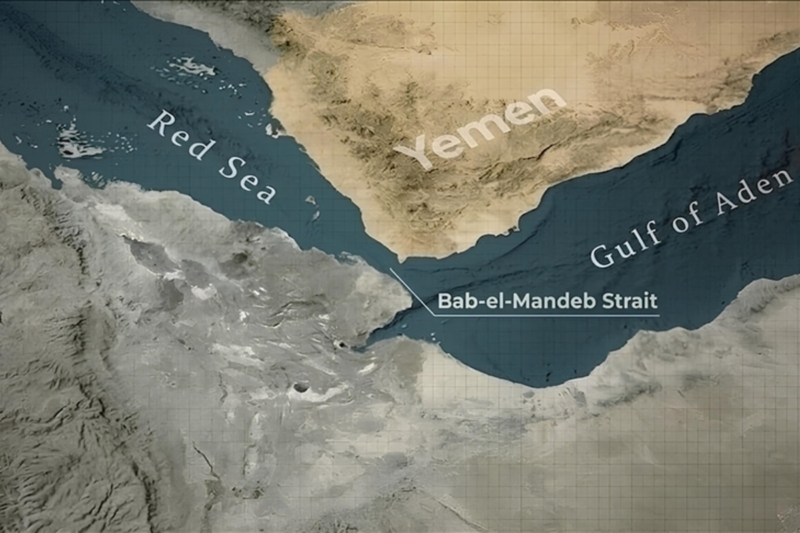
Shipping disruptions compounded the volatility. The UK Maritime Trade Operations reported multiple security incidents in the Arabian Gulf and Gulf of Oman. At least 150 tankers dropped anchor outside the Strait of Hormuz, while major operators rerouted vessels to avoid exposure. Danish shipping giant Maersk paused sailings through the Bab el-Mandeb Strait and Suez Canal, diverting around Africa’s Cape of Good Hope.
Equity markets reflected the uncertainty. London’s FTSE 100 fell 1.2 percent, led lower by airlines and banks exposed to energy-sensitive sectors. France’s CAC-40 and Germany’s DAX posted steeper declines. In the United States, the S&P 500 and Nasdaq initially fell but later recovered to close modestly higher.
Analysts cautioned that markets are not yet in crisis mode. “The market isn’t panicking,” said Saul Kavonic of MST Marquee, noting that major oil infrastructure has not been comprehensively disabled. Others warned, however, that a prolonged conflict could push crude above $100 a barrel, feeding global inflation.
Economists say sustained energy price spikes would quickly filter into food, industrial commodities and transport costs. Central banks, including the Bank of England, could be forced to delay planned interest-rate cuts if inflation pressures intensify.
For now, the Strait of Hormuz remains the focal point. As long as tankers hesitate and production remains uncertain, volatility is likely to persist — a reminder that even limited regional conflict can ripple across the global economy within hours.