Latest Posts

Trump Floats Seizing Iran’s Oil as War Strategy

Is this about security—or resources? Trump’s latest statement is reshaping the entire war narrative.

U.S. President Donald Trump has openly suggested that controlling Iran’s oil could be a central objective of the ongoing war—remarks that are reverberating far beyond the battlefield.

Speaking to the Financial Times, Trump said his “favorite thing” would be to “take the oil in Iran,” while raising the possibility of seizing Kharg Island—the strategic terminal that handles the vast majority of Iran’s crude exports.

“Maybe we take Kharg Island, maybe we don’t. We have a lot of options,” he said, acknowledging that any such move would likely require a sustained U.S. military presence.

The implications are profound.

Kharg Island is not just another target—it is the backbone of Iran’s economy, responsible for up to 90% of its oil exports. Any attempt to seize or control it would effectively choke Tehran’s primary revenue stream, dramatically escalating both the military and economic dimensions of the war.

But the strategy carries significant risks.

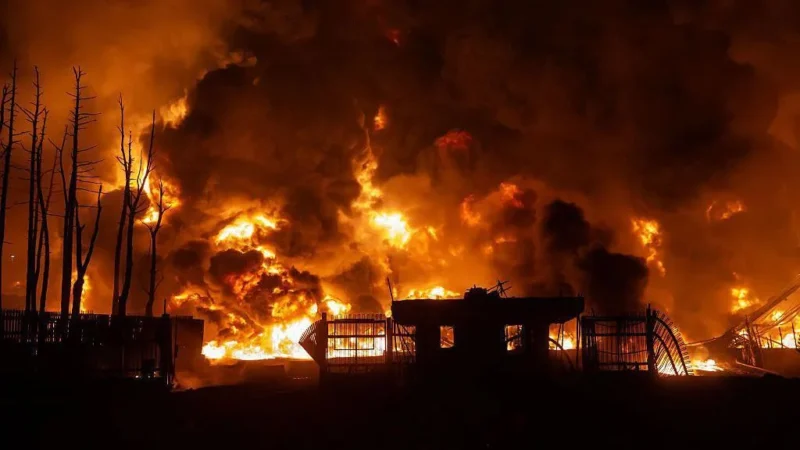
Military analysts warn that capturing the island would expose U.S. forces to sustained missile, drone, and naval threats, while potentially triggering wider regional retaliation. It would also mark a shift from pressure tactics to outright economic warfare—blurring the line between strategic containment and resource seizure.

Markets have already reacted.

Oil prices surged above $115 per barrel following Trump’s comments, with analysts warning that continued escalation could push prices toward $150 or higher. Asian markets fell sharply, reflecting fears that the conflict is evolving into a prolonged energy crisis.

The timing is critical.

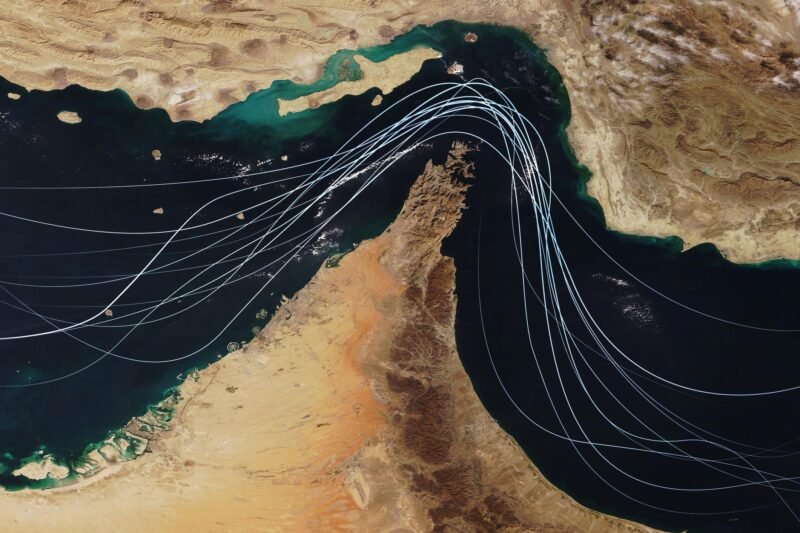
Iran has already disrupted the Strait of Hormuz, through which roughly one-fifth of the world’s oil flows. Targeting Kharg Island would compound that disruption, tightening global supply and amplifying economic shockwaves.

At the same time, Trump is attempting to keep diplomatic channels open, suggesting that limited concessions—such as allowing select oil shipments through the strait—could serve as confidence-building measures. Yet Tehran has publicly denied direct negotiations and rejected U.S. terms.

This contradiction defines the current phase of the war.

Washington is signaling maximum leverage—military buildup, economic pressure, and strategic ambiguity—while leaving space for a negotiated outcome. Iran, meanwhile, is betting on endurance, leveraging energy chokepoints and regional proxies to offset its military disadvantages.

Trump’s remarks, however, shift the narrative in a more controversial direction.

Framing the war around control of resources risks reinforcing Tehran’s long-standing claim that it is defending sovereignty against external exploitation. It also raises legal and ethical questions internationally, particularly among allies already wary of escalation.

The result is a sharper, more dangerous dynamic.

What began as a campaign to limit Iran’s military capabilities is increasingly being interpreted—by markets, rivals, and observers alike—as a struggle over economic control.

And once a war becomes about resources, stepping back becomes far more difficult.

Latest Posts

spot_imgspot_img

Don't Miss

Stay in touch

To be updated with all the latest news, offers and special announcements.