World Without the U.S.—35 Nations Scramble to Break Iran’s Grip on Global Oil Route.
Oil tankers sit idle at the mouth of the Strait of Hormuz, their routes stalled by a war that has turned one of the world’s most critical shipping lanes into a zone of calculated risk. For crews onboard, the threat is immediate. For global markets, the impact is already unfolding.
On Thursday, more than 30 countries—led by the United Kingdom—will convene to map out a response. The goal is straightforward, if not simple: restore the flow of commerce through a passage that carries a significant share of the world’s oil.
Keir Starmer framed the meeting as an effort to align diplomatic and political pressure, while also laying the groundwork for eventual security arrangements. Chaired by Yvette Cooper, the virtual gathering will focus on reopening the strait, protecting trapped vessels, and stabilizing energy flows disrupted by Iranian-linked attacks.
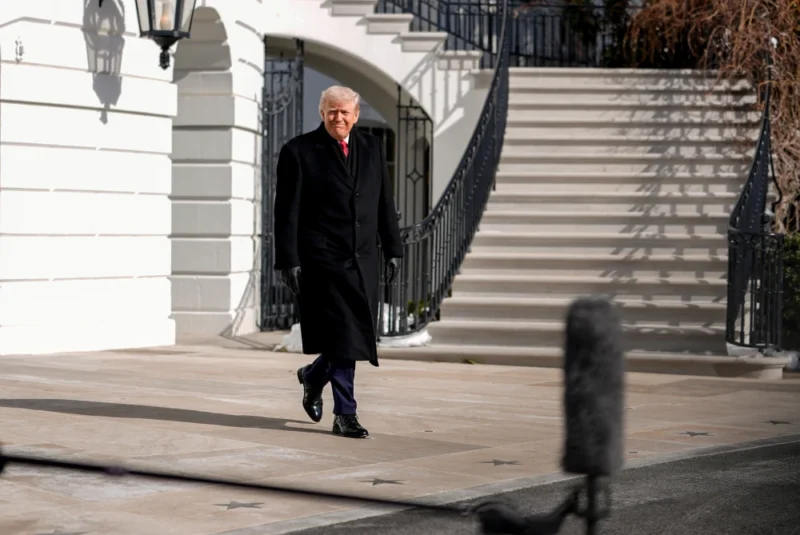
By the third layer of this crisis, the deeper shift becomes clear. This is not only about maritime security—it is about leadership. The absence of the United States from the meeting marks a departure from decades of American dominance in safeguarding global shipping lanes. President Donald Trump has signaled that responsibility now rests with other nations, telling allies to secure their own energy routes.
That decision is forcing a recalibration. Countries including the UK, France, Germany, Italy, Canada, Japan, and the United Arab Emirates have signed onto a joint statement urging Iran to halt its attempts to block the strait and pledging to support efforts to ensure safe passage. The coalition reflects a broad recognition that the economic stakes extend far beyond the region.
Still, the options are constrained. No country appears willing to forcibly reopen the waterway while active conflict continues. Iran retains the capacity to target vessels through missiles, drones, mines, and fast-attack craft—tools that can disrupt shipping without triggering a full-scale naval confrontation.
For now, diplomacy leads. Military planning is being deferred to a later phase, once conditions stabilize. Starmer acknowledged that restoring normal traffic will require both political coordination and eventual security guarantees—likely involving naval deployments and close cooperation with the maritime industry.
There are parallels to earlier coalition-building efforts, including European-led initiatives to support Ukraine’s long-term security. In both cases, the objective is not only operational but symbolic: to demonstrate that Europe and its partners can act collectively in the absence—or retreat—of U.S. leadership.
Yet the risks are immediate. With traffic through Hormuz largely halted, oil prices have surged, and supply chains are tightening. For countries dependent on energy imports, the disruption is not abstract—it translates into higher costs, inflationary pressure, and economic uncertainty.
The emerging coalition faces a narrow path. Move too slowly, and the economic damage deepens. Move too aggressively, and the conflict risks widening.
What is taking shape is a test of whether multilateral coordination can substitute for a single dominant power. If successful, it could mark a shift toward a more distributed model of global security. If not, it may expose the limits of collective action in moments of crisis.
Either way, the stakes extend far beyond the Gulf. The question is no longer just how to reopen a strait—but who, in this new landscape, has both the will and the authority to keep it open.