The war paused—but Iran may have just gained control of the world’s most critical oil route.
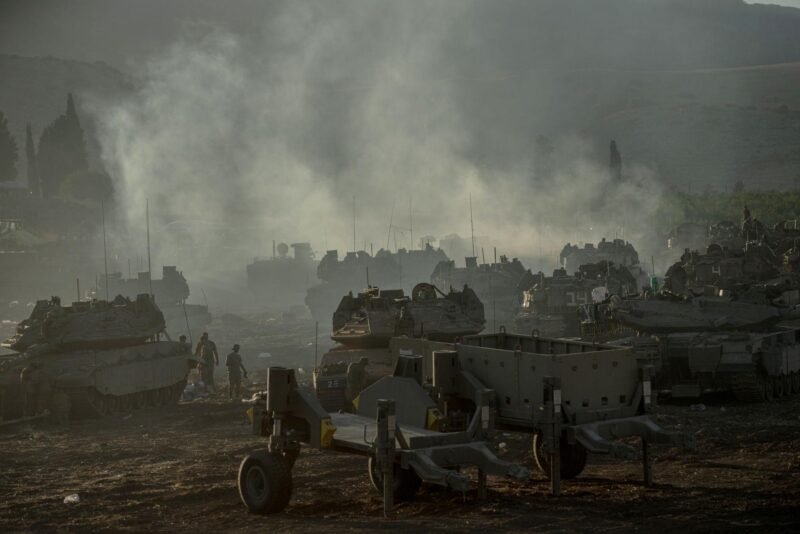
A two-week ceasefire between the United States, Israel, and Iran has paused a war that shook the Middle East and disrupted global energy markets—but the agreement leaves core tensions unresolved and power dynamics sharply intact.
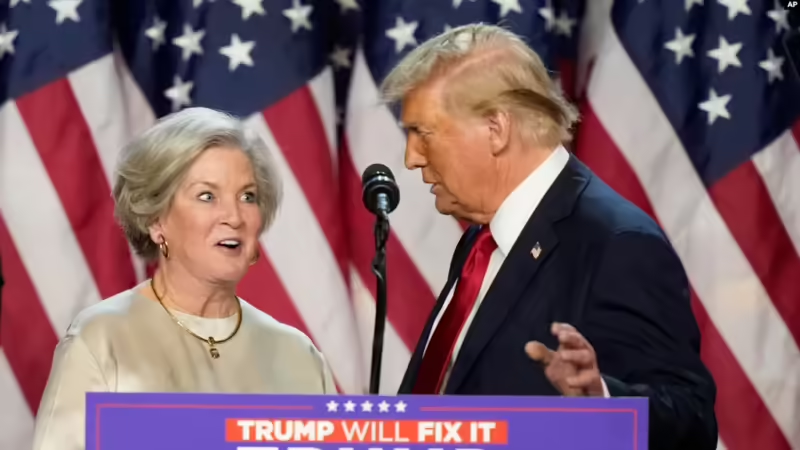
The deal, announced Wednesday, follows weeks of escalating strikes and threats, including warnings from Donald Trump that the U.S. could devastate Iran’s infrastructure. Trump now claims “total victory,” yet the terms suggest a strategic pause rather than a decisive outcome.
At the center of the agreement is the Strait of Hormuz, the world’s most vital oil chokepoint. Iranian Foreign Minister Abbas Araghchi said passage would resume under Iranian military management—language that signals control, not concession.
Regional officials say Iran and Oman may also collect transit fees from ships crossing the strait, potentially turning a wartime blockade into a new revenue stream for Tehran’s reconstruction.
The broader demands from Iran remain unchanged: U.S. troop withdrawal, sanctions relief, and access to frozen assets. None appear resolved. Washington’s key objective—ending Iran’s nuclear program—also remains unsettled.
Israel’s support for the ceasefire reflects a shared calculation: escalation carries rising costs without clear gains.
What emerges is not victory, but repositioning. The ceasefire halts the fighting—but preserves the core struggle over nuclear ambitions, regional influence, and control of global energy flows.