While the world watched the Middle East, a silent confrontation was unfolding under the sea.
Britain has revealed a quiet but consequential standoff beneath the surface of the Atlantic—one that underscores how global tensions are expanding beyond visible battlefields.
UK Defence Secretary John Healey said British forces tracked and deterred Russian submarines attempting to survey critical undersea infrastructure, including cables and pipelines that underpin global communications and energy flows.
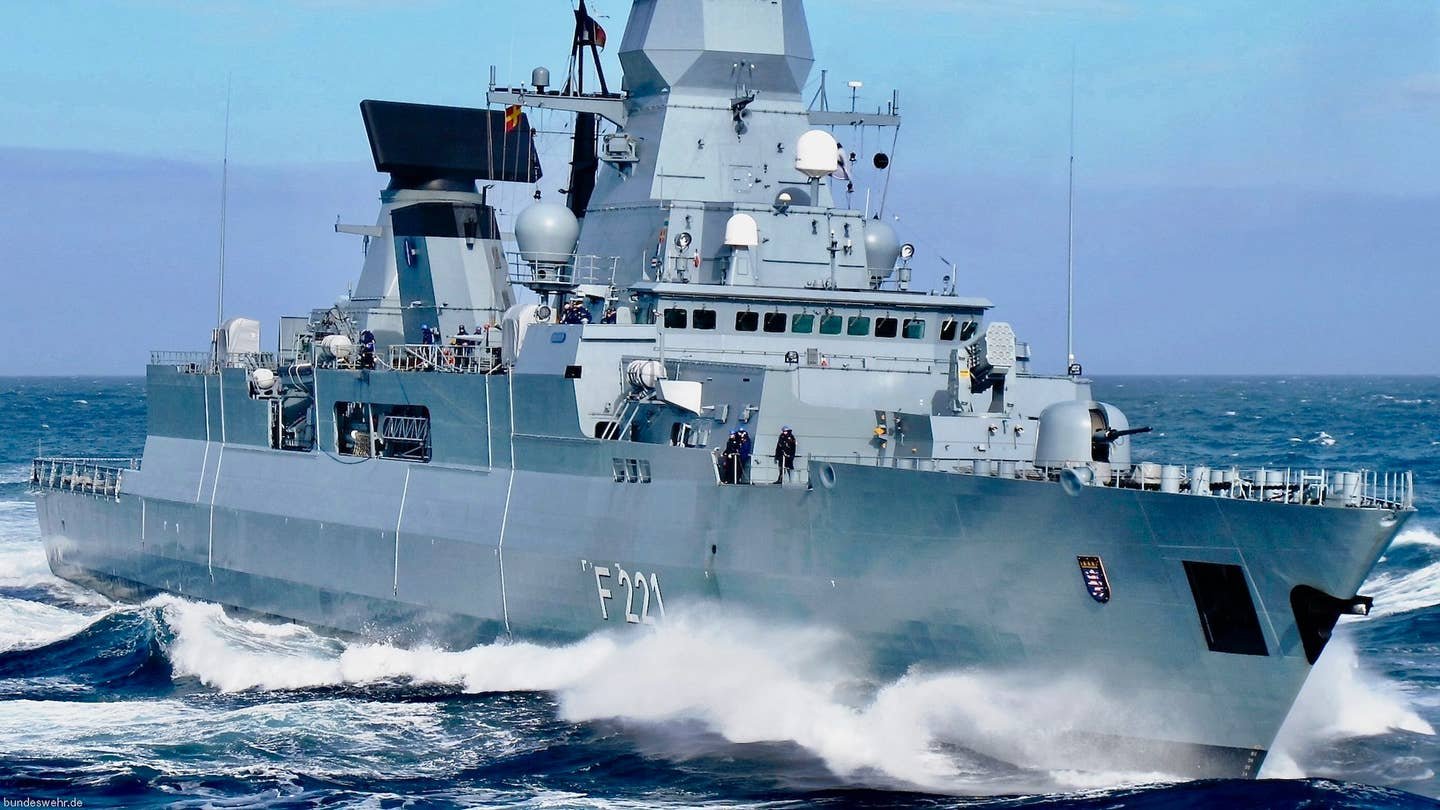
The operation, involving a Royal Navy warship and surveillance aircraft, lasted more than a month. According to Healey, the mission successfully forced the submarines to abandon their activity before any damage was done.
The message was directed squarely at Vladimir Putin: the UK is watching—and prepared to act.
What makes the episode significant is its timing. The activity unfolded while global attention was focused on the Middle East conflict involving Iran, the United States, and Israel. That overlap suggests a broader strategic pattern: exploiting distraction to probe vulnerabilities elsewhere.
The infrastructure in question is not abstract. Undersea cables carry the vast majority of global internet traffic, financial transactions, and communications. Pipelines and seabed networks support energy flows across continents. Any disruption would have immediate and far-reaching consequences.
While Healey confirmed there was no evidence of damage, the nature of the mission raises concerns about intent. The presence of specialized Russian deep-sea vessels—designed for operations at extreme depths—points to capabilities that go beyond routine naval activity.
The response also highlights a shifting defence posture. Britain is emphasizing deterrence not just through visibility, but through persistence—monitoring, tracking, and signaling readiness to respond before threats materialize.
The episode feeds into a larger debate within NATO. As Donald Trump pressures European allies to increase defence spending, incidents like this provide a tangible example of the risks facing the alliance—and the need for coordinated vigilance.
For now, the confrontation remains below the threshold of open conflict. But it reveals a new dimension of competition—one where the most critical battlegrounds are hidden, and the consequences of disruption would be felt globally.
The cables are intact. The warning has been sent.
And the message is clear: the contest for strategic advantage is no longer confined to land, air, or even visible seas—it runs deep beneath them.