No missiles. No peace. Just a more dangerous phase. The war isn’t over—it’s evolving.
US-Iran Ceasefire Masks a Deeper Conflict as War Shifts from Battlefield to Negotiation Table.
What looks like a ceasefire is, in reality, a transformation. The conflict between the United States and Iran has not ended—it has shifted into a more complex and potentially more dangerous phase, where ambiguity, interpretation, and strategic messaging now shape the battlefield as much as missiles once did.
The agreement that paused direct confrontation was never a detailed, enforceable settlement. It was a framework—intentionally broad, structurally ambiguous, and politically flexible. That ambiguity has allowed each side to claim success while quietly continuing the struggle through different means.
Washington presents the pause as the result of military pressure forcing Tehran to negotiate. Tehran, in turn, frames it as evidence of American retreat and implicit recognition of its demands.
This divergence is not cosmetic—it is the core of the problem.
Without a shared interpretation, the ceasefire has become part of the conflict itself. Each side claims compliance while accusing the other of violations, turning the agreement into a tool of strategic maneuvering rather than a mechanism for peace.
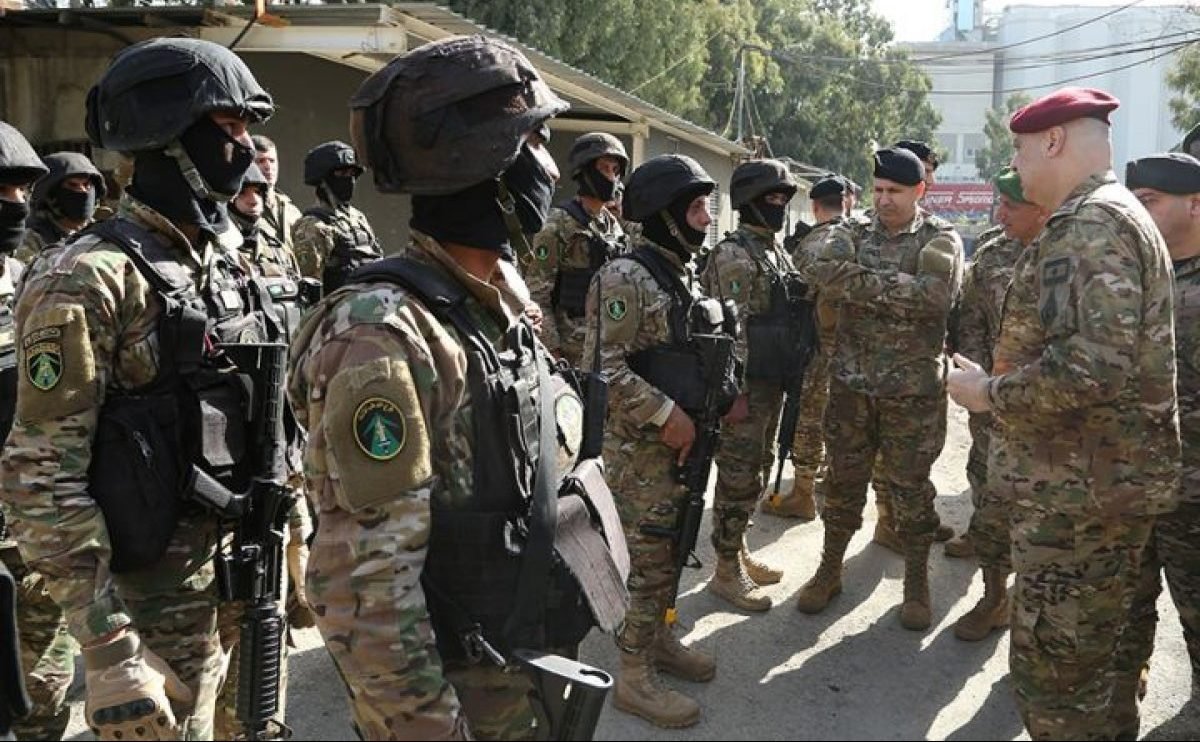
The result is a redistribution of conflict rather than its resolution. Direct US-Iran confrontation has eased, but violence has intensified in indirect arenas. Nowhere is this clearer than in Lebanon. Israel, backed politically by Donald Trump, treats the Lebanese front as outside the ceasefire and continues operations against Hezbollah. Iran insists the agreement applies to “all fronts,” a phrase whose ambiguity has effectively shifted the dispute from diplomatic language to active battlefields.
This is not a failure of wording—it is the strategy.
History offers a warning. Ambiguity in past agreements, such as UN Security Council Resolution 242, created decades of geopolitical tension over interpretation. The current moment echoes that pattern. Language is no longer neutral; it is an instrument of power.
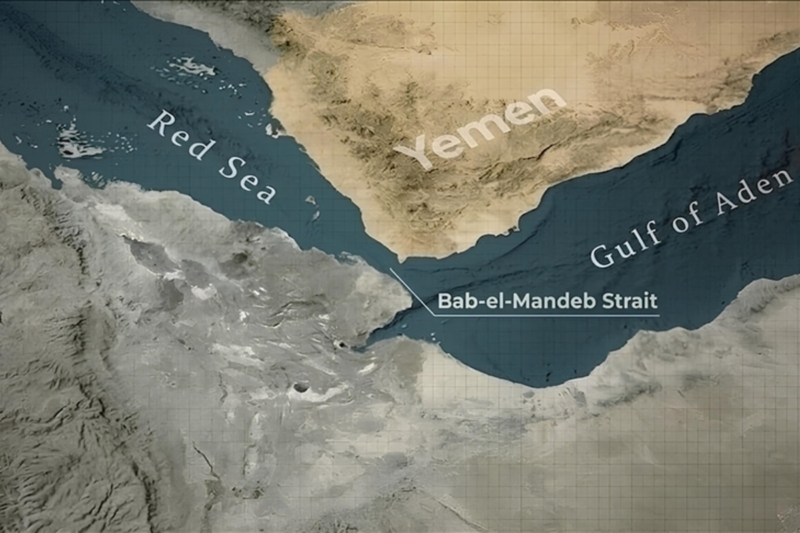
Meanwhile, the Strait of Hormuz—initially the trigger of the crisis—has not been resolved but repositioned. It now functions as a bargaining chip within a fragile balance. Shipping flows have partially resumed, yet remain subject to informal controls and implicit Iranian leverage. This is not stability; it is conditional access.
For Gulf states, particularly Saudi Arabia, the implications are deeply unsettling. The ceasefire raises a critical fear: that a bilateral US-Iran understanding could emerge at their expense. Continued attacks and unresolved threats reinforce the perception that regional security is being negotiated without fully addressing their concerns.
This anxiety is not peripheral—it is central. Any framework that sidelines Gulf security risks becoming inherently unstable.
Looking ahead, three trajectories emerge.
The first is cautious de-escalation, where informal understandings gradually expand the ceasefire’s scope. The second—and most likely—is a prolonged, fragile equilibrium: a managed conflict where the ceasefire holds on paper while localized clashes persist. The third is collapse, triggered by miscalculation or escalation, leading to a renewed and potentially more intense confrontation.
Across all scenarios, one constant remains: no side can afford full-scale war. That reality imposes limits—but not resolution.
What is unfolding is not peace. It is a transitional phase where the rules of engagement are being renegotiated without consensus. The war has not been stopped; it has been reshaped.
And that may be the most dangerous outcome of all.