Washington hit Iran hard. But did it accidentally help China and Russia win bigger?
Four Ways the Iran War Has Weakened the U.S. in the Global Power Struggle.
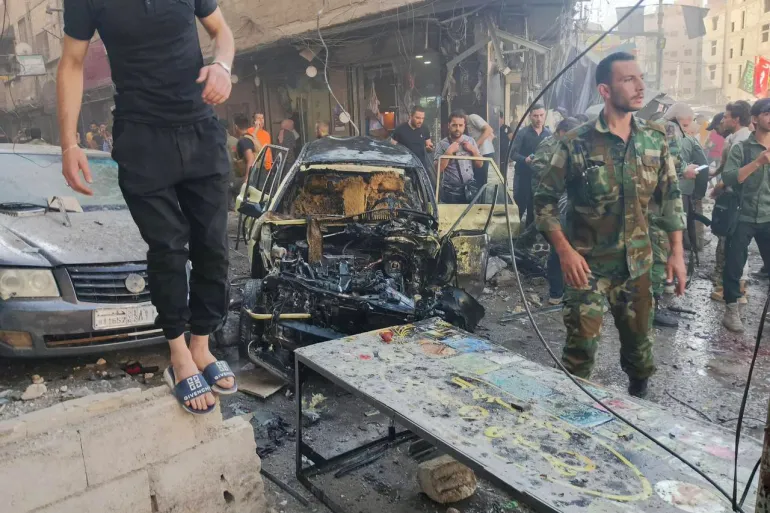
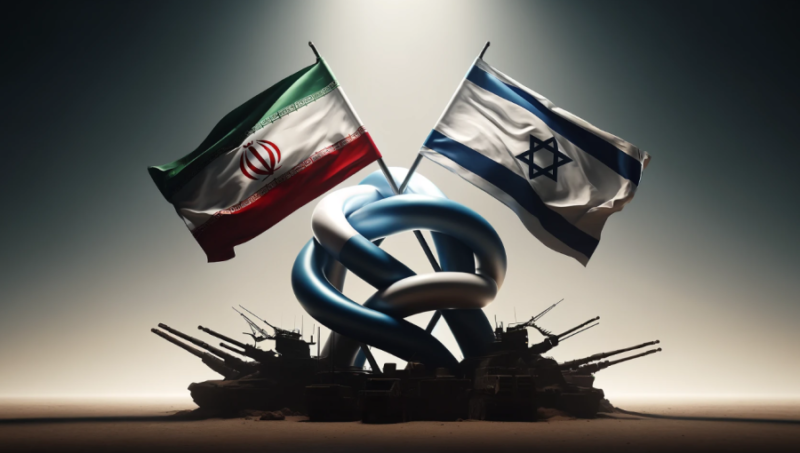
The war between the United States and Iran may have delivered battlefield gains for Washington, but its broader geopolitical consequences tell a more complicated story. As a fragile ceasefire holds, analysts increasingly argue that the conflict has exposed—and in some cases deepened—strategic vulnerabilities in America’s global position, particularly in its rivalry with China and Russia.
First, the war has reshaped influence dynamics in the Middle East. While Washington sought to reassert dominance, the perception among regional powers has shifted. Gulf states—long reliant on U.S. security guarantees—are now recalibrating, exploring deeper economic and diplomatic ties with both China and Russia.
Beijing, in particular, has quietly expanded its role as a mediator, building on earlier diplomatic successes between regional rivals. Moscow, despite setbacks such as the loss of Syria’s former leadership, has maintained relevance through selective alignment with Tehran.
Second, the conflict has diverted U.S. attention from its core strategic priorities. The Trump administration had signaled a pivot toward the Indo-Pacific and Western Hemisphere, where competition with China is most acute.
Instead, the Iran war pulled military, diplomatic, and political resources back into the Middle East. This shift has not gone unnoticed by rivals, who see an opportunity in Washington’s strategic distraction—and in growing tensions between the U.S. and its traditional allies, particularly within NATO.
Third, the economic fallout has been uneven—and, in some cases, advantageous to U.S. competitors. Iran’s disruption of the Strait of Hormuz sent global oil prices sharply higher, benefiting energy exporters like Russia, whose war-driven economy relies heavily on hydrocarbon revenues.
Meanwhile, China, despite its dependence on Gulf energy, has shown resilience through diversified supply chains and domestic energy investments. For Washington, however, rising fuel costs have translated into domestic political pressure and global market instability.
Finally, the war has eroded perceptions of U.S. global leadership. Washington’s shift from diplomacy to direct military action—combined with conflicting messaging during the conflict—has raised questions about its reliability as a negotiating partner.
In contrast, Beijing has positioned itself as a stabilizing force, supporting ceasefire efforts and advocating diplomatic solutions. That contrast has strengthened China’s claim to a larger role in shaping the international order.
None of this suggests the United States has lost its global standing. But the Iran war underscores a growing reality: in today’s multipolar world, military success does not automatically translate into strategic advantage.