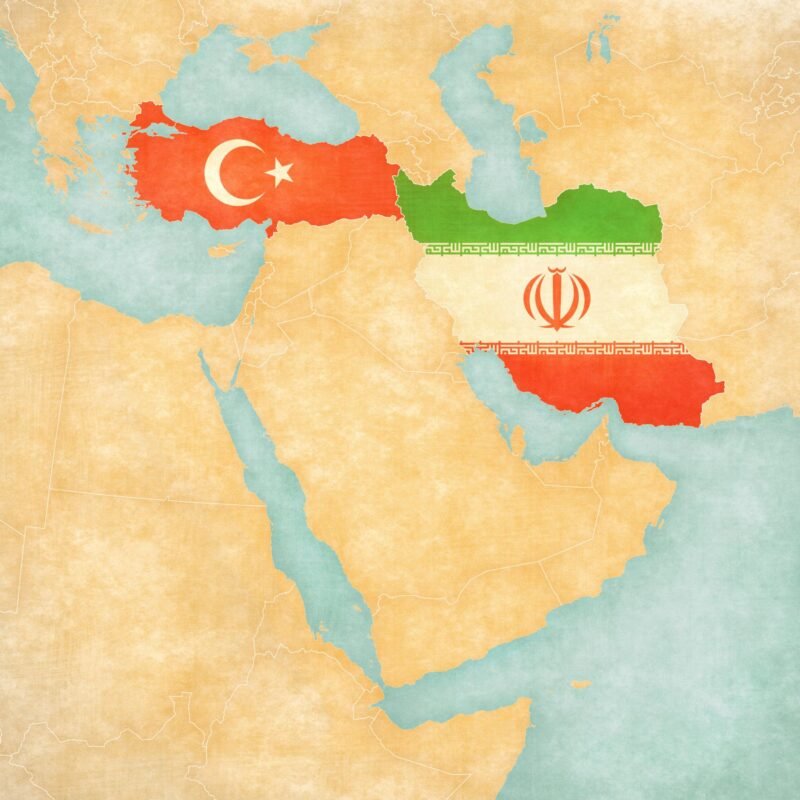
A war thousands of miles away could hit your wallet next—harder than you think.

Oil Shock to Global Collapse? IMF Sounds Alarm on Iran War Fallout.
The economic consequences of the Iran war are no longer hypothetical. According to the International Monetary Fund, the world is now edging toward a dangerous threshold where continued escalation could tip the global economy into recession.
In its latest outlook, the IMF paints a sobering picture: even under a relatively contained scenario, global growth is slowing and inflation is rising. But if the conflict intensifies—particularly through prolonged disruption of energy markets—the impact could be severe enough to trigger one of the rare global downturns seen only a handful of times in modern history.
At the center of this risk lies energy.
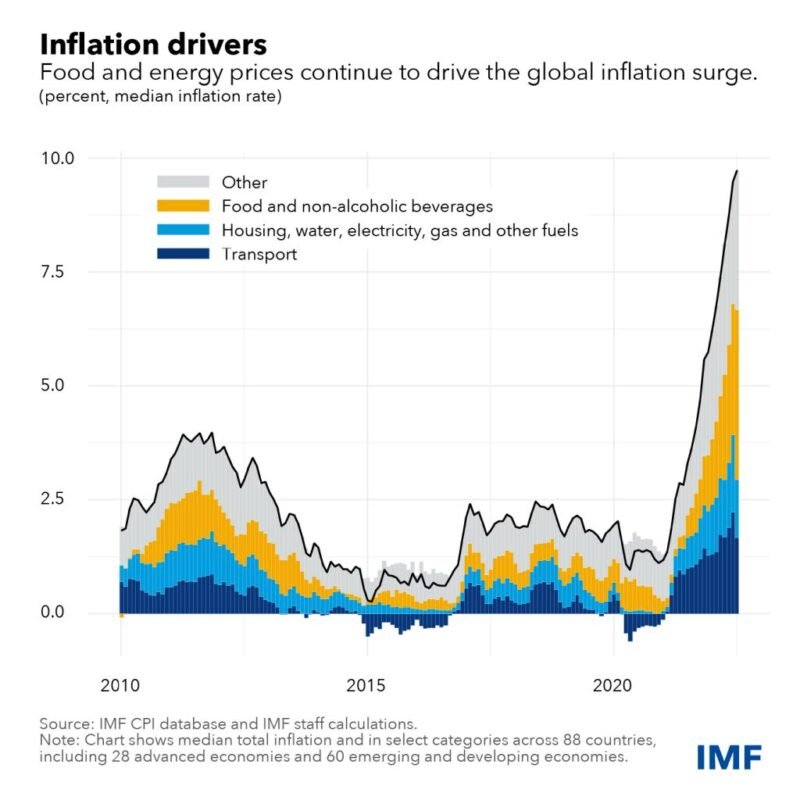
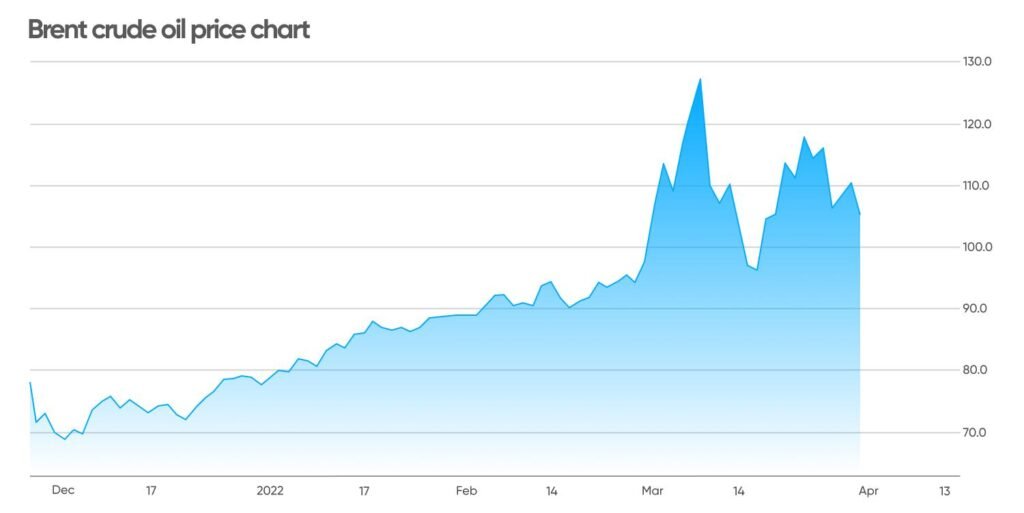
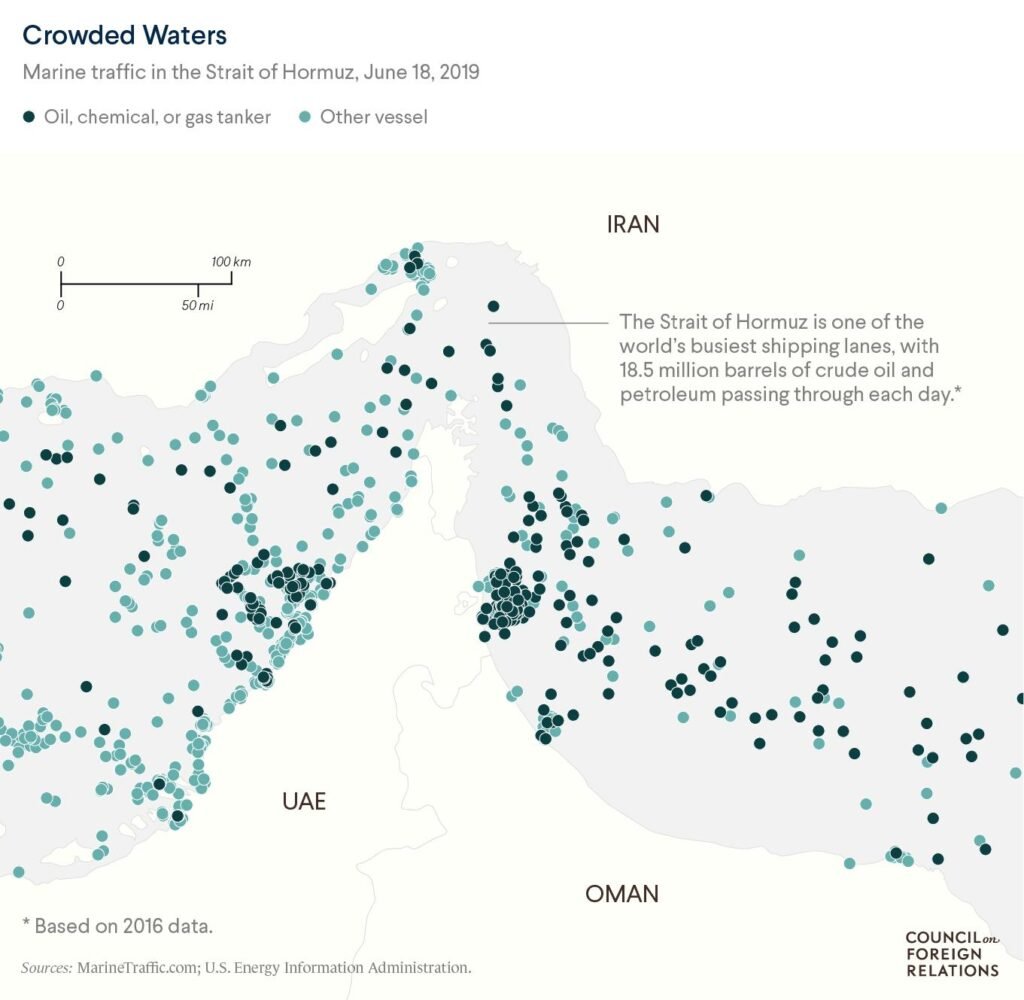
The war has already disrupted flows through the Strait of Hormuz, a critical artery for global oil and gas. Prices have surged above $100 per barrel at points, feeding into higher transport costs, rising food prices, and broader inflationary pressure worldwide. Each additional shock to supply pushes economies closer to what IMF economists describe as an “adverse scenario.”
Under that scenario, global growth could fall to around 2.5%, with inflation climbing above 5%. A more severe outcome—driven by prolonged conflict and sustained oil prices above $110—would push growth toward 2%, a level widely associated with a global recession.
The warning is not abstract. IMF data shows such low growth has occurred only a few times since 1980—during crises like the 2008 financial collapse and the COVID-19 pandemic.
Among advanced economies, the United Kingdom appears particularly vulnerable. The IMF has issued its sharpest downgrade among G7 nations, cutting growth forecasts significantly while warning inflation could approach 4%, well above target levels. British officials have openly criticized the war’s economic fallout, with Chancellor Rachel Reeves warning that the conflict will impose unavoidable costs on households.
The United States is not immune either. Growth forecasts have been trimmed, and rising fuel costs are already feeding into domestic economic pressure—an issue with potential political consequences.
For developing economies and energy importers, the situation is even more acute. Higher oil prices translate directly into fiscal strain, currency pressure, and increased risk of instability.
The IMF’s message is clear: the longer the conflict persists, the narrower the path to economic stability becomes.
What makes this moment particularly fragile is the combination of factors—geopolitical uncertainty, volatile energy markets, and already elevated global debt levels. Governments have less room to cushion the blow, while central banks may be forced to raise interest rates further to contain inflation, risking additional slowdown.
The institution’s prescription is equally blunt: end the conflict, or prepare for escalating economic damage.
In the end, the Iran war is no longer just a regional crisis. It has become a global economic fault line—one where every missile fired and every tanker delayed carries consequences far beyond the battlefield.