Analysis: Tehran May Be Preparing the First Move
ANALYSIS
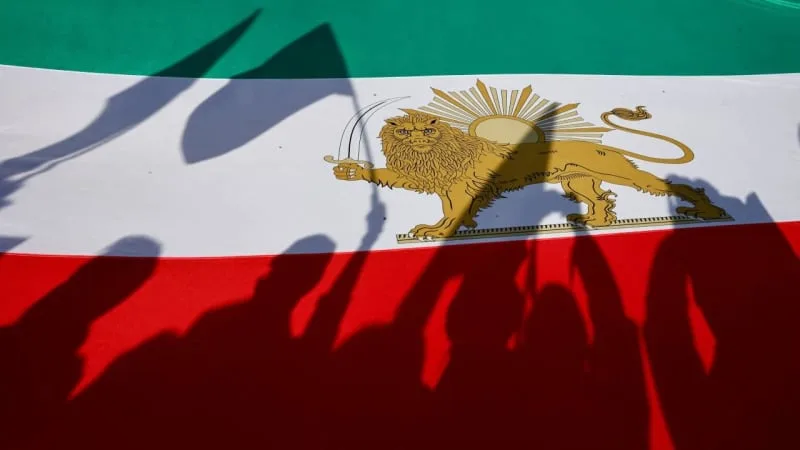
Western intelligence agencies are increasingly warning that Iran could initiate a direct attack against Israel—not because it believes it can win a conventional war, but because it sees an opportunity to reshape the strategic landscape before diplomacy or American military action limits its options.
The assessment reflects a broader shift in Tehran’s thinking. Rather than waiting for another Israeli or American strike, Iran may calculate that seizing the initiative offers greater political and military advantages than remaining on the defensive.
If that assessment proves correct, the Middle East could be approaching one of its most dangerous moments since the current conflict began.
Why Strike First?
For years, Iran’s military doctrine has emphasized patience, deterrence and proxy warfare. Direct confrontation with Israel has generally been viewed as a last resort.
That calculation may now be changing.
Western intelligence reportedly believes Tehran sees three strategic opportunities.
The first is revenge. Iranian leaders continue to frame the conflict around restoring deterrence and avenging the reported death of Supreme Leader Ali Khamenei. From Tehran’s perspective, failing to respond decisively risks projecting weakness both domestically and across its regional alliance network.
The second is timing. Iran may believe political divisions between Washington and Jerusalem, combined with the approaching US elections, create uncertainty over how quickly and forcefully the United States would respond to another regional war.
The third is perception. If Israel appears reluctant to reopen a major conflict after months of military operations, Tehran may conclude that a carefully calibrated first strike could place Jerusalem under immediate strategic and political pressure.
Testing the Alliance
Iran’s objective would likely extend beyond military damage.
The larger goal would be to test the strength of the US-Israel alliance under crisis conditions.
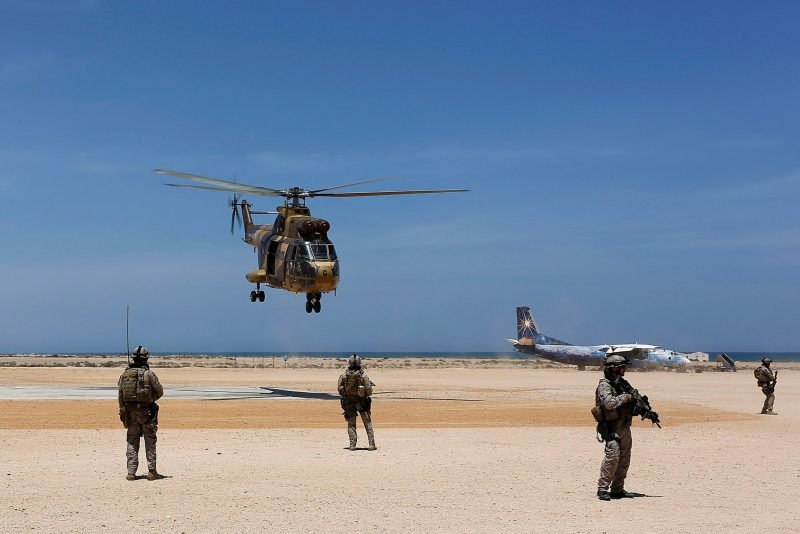
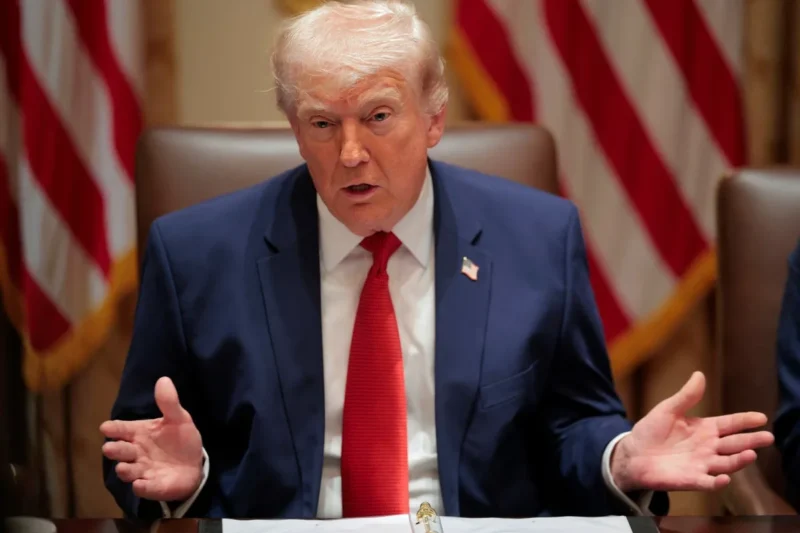
President Donald Trump has publicly declared that the United States is prepared for a much larger military operation against Iran and insisted that Israel would join any campaign if requested. At the same time, he emphasized that Washington does not require Israeli participation.
Those remarks project confidence, but they also reveal a broader strategic question.
Can Tehran exploit even minor differences in political priorities between Washington and Jerusalem?
Iranian planners have historically sought to create diplomatic friction between allies rather than confronting them individually.
A crisis initiated by Tehran could force both governments into difficult decisions about escalation, timing and military coordination.
The Mossad Warning
Recent Israeli disclosures point to another dimension of the confrontation.
An unusual public statement by Mossad regarding an alleged Iranian effort to infiltrate operatives tasked with assassinating senior Israeli officials suggests that the conflict increasingly extends beyond missile exchanges into intelligence operations, covert action and political destabilization.
Such operations fit Iran’s longstanding preference for asymmetric warfare.
Rather than relying exclusively on conventional military force, Tehran has consistently combined proxy networks, intelligence operations, cyber activities and psychological pressure to complicate an opponent’s decision-making.
Israel’s Dilemma
Israel now faces a difficult strategic calculation.
Responding forcefully to any Iranian attack risks triggering another regional war involving Hezbollah, Iraqi militias, the Houthis and other Iranian-aligned groups.
Showing excessive restraint, however, could weaken deterrence and encourage further escalation.
Defense Minister Israel Katz has sought to reinforce deterrence by warning that any Iranian attack would be met with a “crushing blow.”
Such statements are intended to influence Iranian calculations before decisions are made rather than after missiles are launched.
Whether deterrence succeeds depends entirely on whether Tehran believes Israel is both willing and politically prepared to act.
WARYATV Strategic Assessment
If Western intelligence assessments are accurate, Iran is no longer simply preparing to defend itself.
It may be considering how to dictate the timing of the next phase of the conflict.
Launching the first strike would not necessarily be designed to achieve decisive military victory. Instead, it could allow Tehran to seize the strategic initiative, complicate American decision-making and force Israel into responding on a battlefield partly chosen by Iran.
This would be consistent with Iran’s broader doctrine of asymmetric escalation—avoiding direct contests of military strength while shaping the political and strategic environment surrounding the conflict.
For Israel, the challenge is maintaining deterrence without becoming trapped in a cycle of escalation on Tehran’s terms.
For the United States, the challenge is preserving alliance unity while preventing a regional confrontation from expanding beyond its original objectives.
The immediate danger is not simply that Iran and Israel could exchange another round of strikes. The greater risk is that Tehran may conclude the strategic environment has shifted in its favor and that acting first offers more advantages than waiting.
If Iran believes it can exploit political timing, alliance dynamics and regional uncertainty simultaneously, the next phase of the conflict may begin not with diplomacy, but with a calculated attempt to seize the initiative.