More Than 2,400 Protesters Killed in Iran as Trump Warns Against Executions.
Iran’s crackdown has entered its deadliest phase yet. More than 2,400 protesters have reportedly been killed and over 18,000 arrested as the Islamic Republic intensifies repression under a nationwide internet blackout now stretching into its sixth day. What began as economic protests has evolved into an existential challenge for the regime — and Tehran is responding with speed, secrecy, and the threat of executions.
The immediate concern is the fate of Erfan Soltani, a 26-year-old protester facing imminent execution after what his family and U.S. officials describe as a rushed trial without legal representation. His case has become a symbol of a broader pattern: fast-track death sentences, public trials, and intimidation designed to break the protest movement through fear.
Iran’s judiciary has made its intentions clear. Chief Justice Gholam-Hossein Mohseni-Eje’i announced that protesters accused of violence or “terrorism” will receive priority punishment, signaling that executions may soon become a routine tool of deterrence. Rights groups warn that the real death toll may be far higher as communications remain cut and families are silenced.
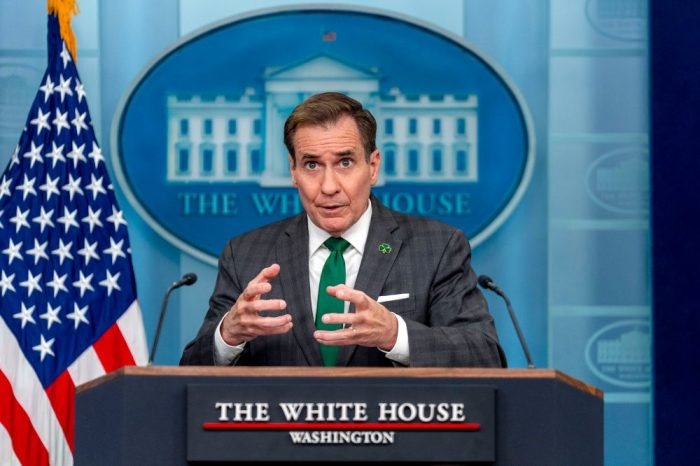
President Donald Trump has issued unusually blunt warnings, urging Iranians to keep protesting and cautioning Tehran that executions would trigger “strong action” from the United States. While the White House has not detailed its next steps, the language marks a sharp escalation — moving from condemnation to implied consequences.
Inside Iran, regime figures are attempting to reframe the uprising as foreign-backed “ISIS-style terrorism,” a narrative long used to justify mass repression. But the scale, persistence, and nationwide spread of the protests suggest something deeper: a population no longer deterred by fear, even as the cost in lives continues to rise.
Iran now stands at a dangerous crossroads. Executions may crush individuals, but they risk accelerating the collapse of legitimacy of a system already ruling through force alone. The question is no longer whether the crisis will deepen — but how far the regime is willing to go to survive.