Somalia Prime Minister Hamza Abdi Barre’s visit to Las Anod is more than a ceremonial appearance. It is a deliberate projection of federal authority into territory Somaliland regards as an integral part of its sovereign borders.
Barre arrived on August 2 to mark the first anniversary of the Northeastern administration and launch federal development and public-service initiatives. Somaliland condemned the visit as a violation of its territorial sovereignty and warned that it could intensify political and security tensions.
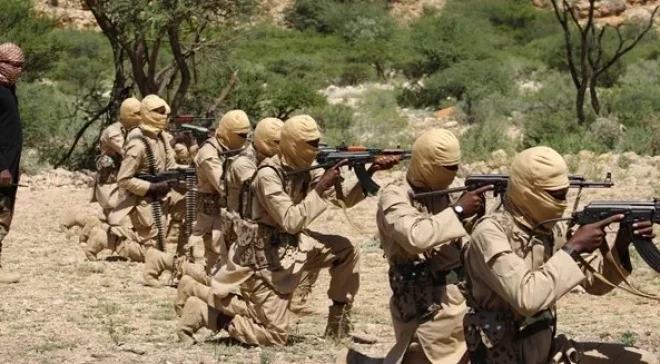
Reports also indicate that the visit included the inauguration of a Somali National Army facility, although the size, staffing and precise role of the installation remain unclear. If confirmed as a permanent federal military presence, it would represent a significant escalation from political sponsorship to direct security entrenchment.
Mogadishu presents the visit as support for a federal member administration. Hargeisa sees it as an attempt to consolidate Somalia’s authority over Sool after Somaliland lost control of Las Anod during the 2023 conflict.
That difference cannot be dismissed as rhetoric. It represents competing claims to territory, legitimacy and military authority.
Somaliland has governed itself since 1991, built functioning institutions and maintained a far stronger record of internal stability than Somalia. Its restraint over Las Anod should therefore not be interpreted as weakness. Hargeisa has so far preferred diplomacy, political reconciliation and international engagement over another destructive conflict.
But restraint has limits.
By expanding federal institutions and security structures in Las Anod, Mogadishu risks turning a disputed political question into a permanent military confrontation. It is especially dangerous for Somalia to deepen this front while it remains heavily dependent on international support to confront Al-Shabaab and secure its own capital.
Somaliland’s recognition by Israel in December 2025 has also changed the regional balance. The two sides have since established diplomatic relations and moved toward broader strategic cooperation, giving Hargeisa greater international visibility and potential security leverage.
That partnership should not become a justification for reckless escalation. Nor should Somaliland respond through covert violence, collective punishment or rhetoric invoking the atrocities of 1988. Those methods would weaken Somaliland’s international case and expose civilians to unacceptable danger.
The stronger response is disciplined deterrence.
Somaliland should strengthen its eastern defenses, deepen intelligence collection, support political engagement with local communities and document every federal military expansion for international partners. It should also demand that the African Union, IGAD and United Nations establish mechanisms to prevent further militarization.
WARYATV ASSESSMENT
Hamza Abdi Barre’s visit was designed to demonstrate that Mogadishu intends to make its presence in Las Anod permanent.
Somaliland must answer firmly—but strategically.
Its greatest advantages are not anger or military rhetoric. They are functioning institutions, international partnerships, territorial knowledge and the legitimacy created by more than three decades of self-government.
Peace remains the preferred course.
But peace cannot mean silently accepting the steady construction of a rival military and political order inside territory Somaliland claims as its own.
Mogadishu should not mistake Somaliland’s patience for surrender.