Foreign Policy Makes the Case Washington Can No Longer Ignore Somaliland
Foreign Policy is now making the argument directly: recognize Somaliland. Berbera gives Washington a strategic position against the Houthis and Iran, while Somaliland openly wants partnership with America. The recognition debate has moved from history to U.S. national security.
Foreign Policy Urges U.S. Recognition of Somaliland Over Red Sea Security
WASHINGTON — A major argument for U.S. recognition of Somaliland has moved deeper into the American foreign-policy establishment.
Writing in Foreign Policy, Steven A. Cook, a senior fellow at the Council on Foreign Relations, argues that Washington should recognize Somaliland because doing so increasingly serves direct American security interests—particularly against Iran and the Houthis.
His central point is difficult to dismiss: Somaliland sits exactly where American strategy increasingly needs reliable access.
Berbera Changes the Calculation
Cook highlights Somaliland’s deep-water port at Berbera, its large adjacent airfield and Hargeisa’s willingness to work closely with the United States.
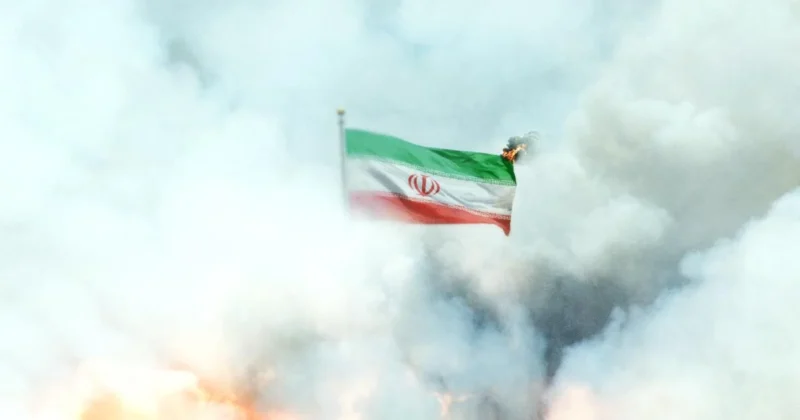
With Iran threatening shipping around Hormuz and the Houthis challenging navigation through the Red Sea and Gulf of Aden, Somaliland offers Washington a strategic position on the African side of one of the world’s most important maritime corridors.
Cook goes further, arguing that Berbera could provide the United States with an excellent location for monitoring the Houthis and, when necessary, applying pressure on both them and Iran’s Revolutionary Guard.
That is the strongest part of the argument.
Recognition is no longer being presented simply as correcting Somaliland’s historical status.
It is being framed as American national interest.
Somalia’s Territorial Argument Is Losing Weight
Cook also attacks one of the foundations of existing U.S. policy: Somalia’s territorial integrity.
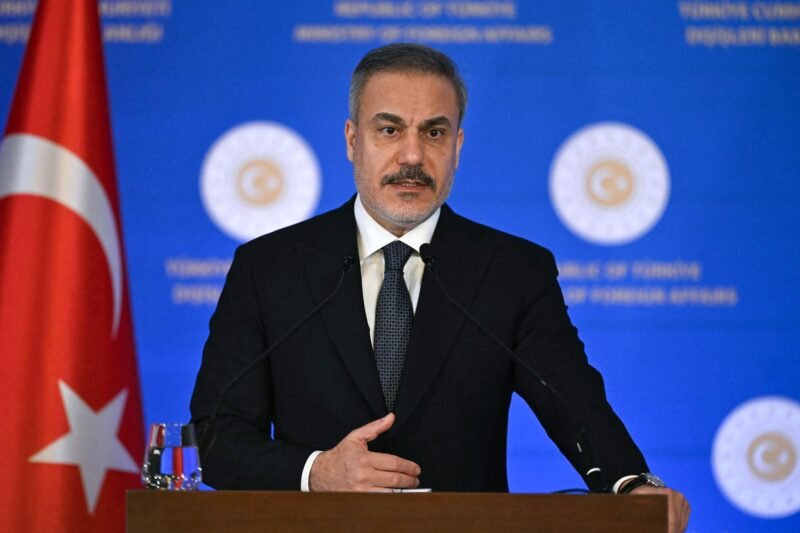
He notes that Somaliland voluntarily entered union with Somalia in 1960, restored its independence in 1991 and has operated separately for decades. He argues that objections from countries including Turkey, Egypt and Saudi Arabia are driven as much by regional geopolitics as by legal principle.
His conclusion is blunt: U.S. allies should not have veto power over American policy when issues such as Red Sea navigation, Iran and the Houthis are at stake.
Somaliland Also Has Something Washington Wants
The article stresses that Somaliland has deliberately positioned itself closer to Washington’s strategic network.
It maintains ties with Taiwan, has expressed interest in joining the Abraham Accords, wants deeper U.S. security cooperation and has relationships with Israel, Ethiopia and the UAE. Cook also points to Somaliland’s functioning political institutions and peaceful 2024 transfer of presidential power.
He does acknowledge weaknesses, including civil-liberties concerns and political tensions in eastern Somaliland.
But his assessment remains clear: compared with the instability, terrorism and piracy associated with Somalia, Somaliland offers Washington a considerably more attractive security partnership.
WARYATV Assessment
This article matters because of who is making the argument and where it is appearing.
Recognition advocacy is moving beyond Somaliland activists and sympathetic lawmakers into mainstream U.S. strategic analysis.
And the argument itself has changed.
The question is no longer simply:
Does Somaliland deserve recognition?
It is increasingly:
Can the United States afford to ignore Somaliland while confronting Iran, the Houthis and instability across the Red Sea?
That is a much stronger position for Hargeisa.
But Somaliland should heed one warning Cook raises: relations with Washington cannot be reduced entirely to military bases.
Berbera may open the door, but Somaliland ultimately needs a broader partnership involving diplomacy, investment, infrastructure, minerals and institutional cooperation.
WARYATV Bottom Line
Foreign Policy’s message to Washington is straightforward:
Somaliland wants America, America increasingly needs the geography Somaliland controls, and Somalia’s territorial claim should no longer outweigh U.S. strategic interests.
President Irro’s arrival in Washington therefore comes at an unusually important moment.
The recognition debate is no longer confined to whether Somaliland has earned sovereignty.
It is becoming a debate about whether recognizing Somaliland makes the United States stronger.