U.S. Arms Policy Reveals a Hierarchy Among America’s Allies
Turkey is a NATO ally. India is not. Yet Washington punished Ankara over Russia’s S-400 while treating New Delhi far more cautiously. Israel, meanwhile, enjoys a legally protected military edge over its neighbors. American weapons are not simply sold — they are distributed according to a hierarchy of strategic trust.
WASHINGTON — American alliances may promise collective security, but access to America’s most sensitive military technology follows a much stricter hierarchy.
That is the central argument advanced by Ahmad Ibrahim and Amna Hashmi in Modern Diplomacy: Washington uses weapons sales not simply to arm partners, but to determine which countries receive which capabilities, under what conditions, and with what degree of strategic dependence on the United States.
The broader argument is persuasive. But some of the comparisons require qualification.
Turkey Shows the Price of Strategic Independence
Turkey provides the clearest example.
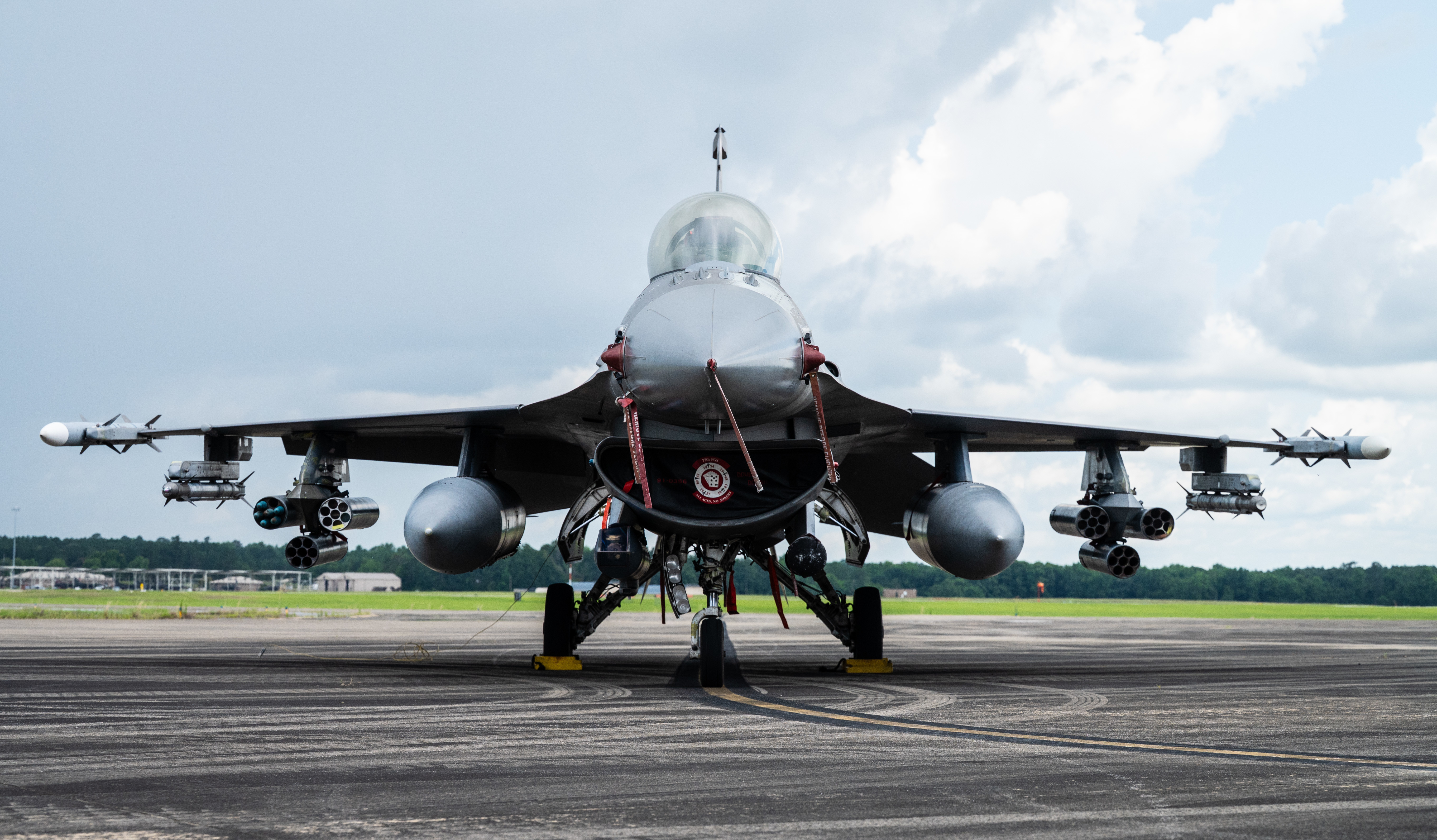
Ankara was an original participant in the F-35 program but purchased Russia’s S-400 air-defense system after years of disagreements with Washington over Patriot missiles. The United States subsequently removed Turkey from the F-35 program and imposed CAATSA sanctions.
Washington’s official explanation was not simply political punishment. U.S. officials argued that operating the S-400 alongside the F-35 could expose sensitive information about the stealth aircraft to Russian systems and undermine NATO interoperability.
The message was unmistakable:
Access to top-tier American technology comes with strategic conditions.
Buying the weapon is only part of the relationship. Washington also expects partners to remain inside an American-centered technological and security ecosystem.
India Reveals the Flexibility
The Modern Diplomacy article contrasts Turkey with India, which also purchased Russian S-400 systems while dramatically expanding defense cooperation with Washington.
That comparison exposes a genuine political difference — but one detail should be treated carefully.
The article says India received a U.S. waiver from CAATSA. The official American record has repeatedly stated that there was no blanket or country-specific waiver for India, even while Washington refrained from treating New Delhi as it treated Ankara.
The broader point nevertheless survives.
Why the different treatment?
Because India occupies a very different place in American strategy. Washington sees New Delhi as a major Indo-Pacific counterweight to China, meaning strategic value affects how rigidly principles are applied.
This is weapon diplomacy in practice: rules matter, but geopolitical importance matters too.
Israel Is Not Just Another Customer
The Middle East reveals an even more formal hierarchy.
U.S. law requires Washington to consider Israel’s Qualitative Military Edge when approving arms transfers to other Middle Eastern states. Congress codified that principle in 2008, requiring proposed regional sales to be assessed for their effect on Israel’s military advantage.
Israel therefore occupies a legally distinctive position.
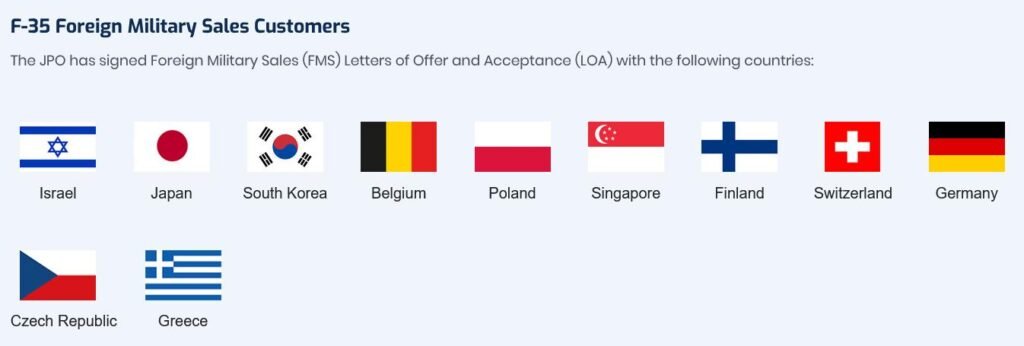
It operates the F-35, receives extensive U.S. military assistance and participates deeply in American-Israeli missile-defense research and military integration.
Gulf allies can still acquire extremely advanced American weapons. Washington approved a potential $5 billion JDAM-ER munitions package for Saudi Arabia on September 4, for example.
But access is not identical.
And that is intentional.
WARYATV Assessment
The important lesson is not that American arms diplomacy is hypocritical.
It is that arms sales are foreign policy.
Washington uses access to advanced fighters, missiles, intelligence systems, software, spare parts and upgrades to reward alignment, protect technology, preserve regional balances and maintain influence over allies long after a weapons contract is signed.
This also explains why countries increasingly seek defense diversification.
Turkey developed more indigenous weapons after its confrontation with Washington. Gulf governments are expanding ties with European, Turkish, Chinese and South Korean defense industries. European governments are debating how dependent they should remain on American technology.
Weapons dependence creates interoperability.
It also creates leverage.
WARYATV Bottom Line
America does not divide the world simply into allies and adversaries.
It has tiers of strategic trust.
Israel receives one level of access. NATO members receive another. India can receive exceptional flexibility because of China. Gulf partners may receive highly advanced systems while still encountering limits designed around regional balances.
That is not an accidental feature of American weapons policy.
It is the policy.
The real currency in Washington’s arms market is therefore not money alone.
It is strategic value.