Xi Arrives in Washington With the Stronger Economic Hand
Donald Trump and Xi Jinping will meet in Washington on September 24, but the summit is unlikely to resemble the tariff confrontations that once defined their relationship. China’s export machine has survived American pressure, while wars, inflation and domestic politics have narrowed the U.S. president’s room for escalation.
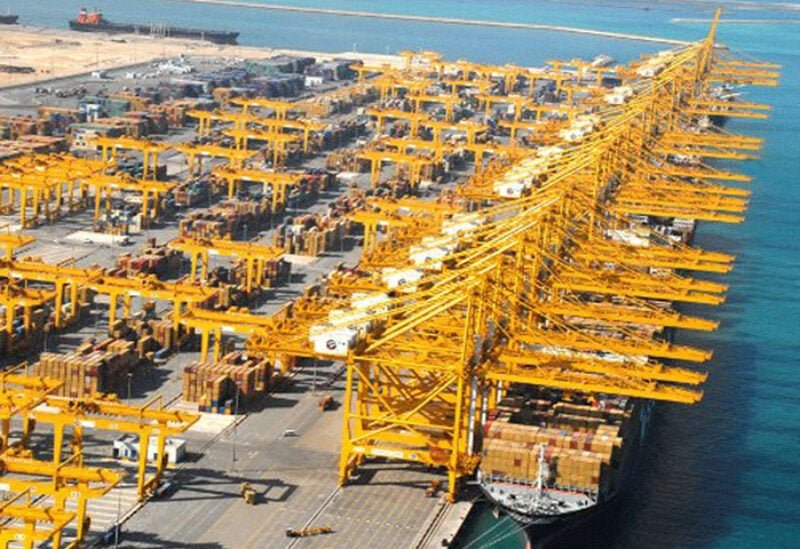
Reuters reports that China’s global trade surplus is on course to exceed $1 trillion for a second consecutive year. Beijing still faces weak domestic demand and a prolonged property crisis, yet its manufacturers have expanded sales across global markets. The central summit question is therefore not whether Washington can force a sweeping Chinese retreat. It is whether both leaders can extend the trade truce without exposing their political constraints.
Trade stability comes with a security price
The meeting will cover tariffs, rare-earth exports, agricultural purchases, fentanyl-related controls, artificial intelligence and Iran. Taiwan, however, carries the greatest strategic danger. Trump has publicly described a pending $14 billion arms package for Taiwan as a negotiating chip, according to Reuters. That language alarms Taipei and Tokyo because it suggests security commitments could enter a transactional bargain.
Xi has little incentive to offer major concessions. Stability gives China time to strengthen domestic supply chains, expand alternative markets and reduce exposure to future American pressure. Trump needs relief from high prices and a foreign-policy success before the U.S. midterm elections. Their incentives overlap around calm—but not necessarily around trust.
Developing economies should watch the outcome closely. A renewed trade confrontation would affect commodity demand, shipping, currencies and financing. A truce would reduce immediate volatility but could also deepen the division of global technology and industrial networks into competing systems.
WARYATV Assessment
Xi enters the summit with leverage created less by Chinese invulnerability than by American distraction. Trump can still restrict technology and market access, but tariffs did not produce the decisive economic capitulation once promised. Expect a narrow agreement that postpones confrontation rather than resolves it. The critical indicator will be whether Taiwan arms, rare-earth controls or Iran-related trade are exchanged for short-term commercial concessions.