New York Reopens a U.S.–Iran Channel Without Closing the War
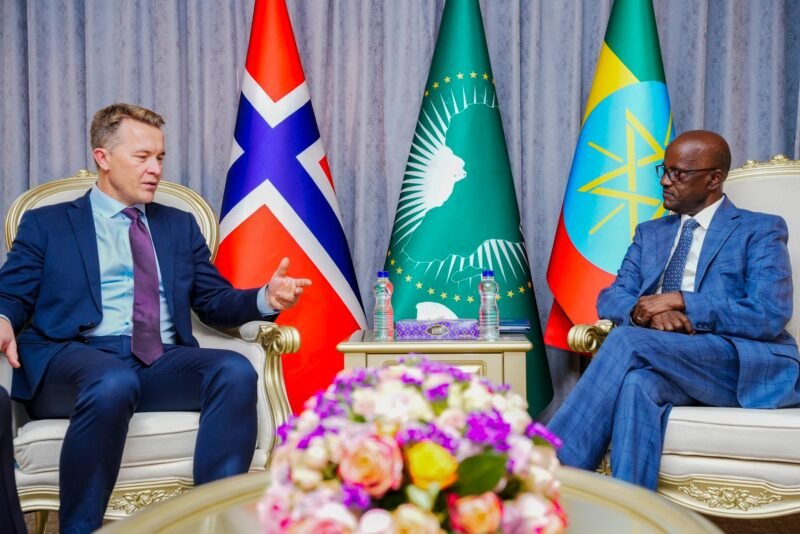
U.S. and Iranian officials communicated for roughly three hours through mediators on the sidelines of the General Assembly, the first such contact since an interim ceasefire collapsed. Reuters reported that U.S. envoys Steve Witkoff and Jared Kushner exchanged messages with Iranian Foreign Minister Abbas Araghchi through intermediaries. President Donald Trump said talks were continuing and predicted an eventual settlement.
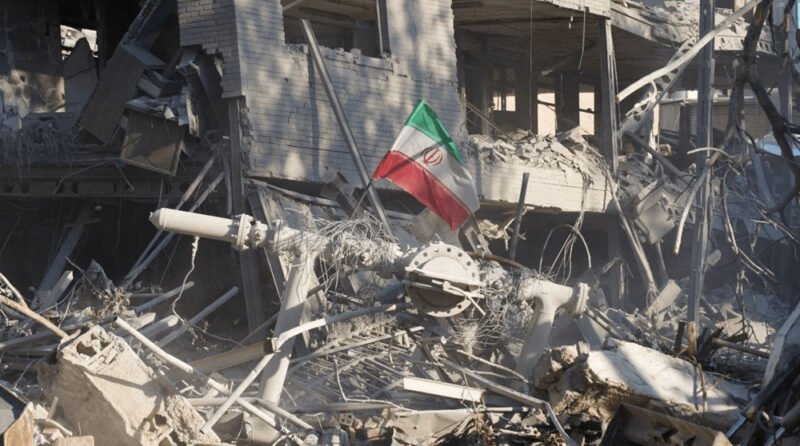
Iranian President Masoud Pezeshkian told the Assembly that Iran would not surrender but remained open to diplomacy. Tehran had already said it could discuss reopening the Strait of Hormuz if Washington reduced military pressure and lifted its blockade of Iranian ports.
Accounts differ over whether any direct U.S.–Iran encounter occurred. Iranian officials rejected suggestions that Tehran had abandoned its preconditions. Neither side released a negotiated text, timetable or verification mechanism.
WARYATV Assessment
The breakthrough is procedural, not substantive. The parties have restored a channel while publicly maintaining maximal positions. That can reduce miscalculation, but it does not yet resolve nuclear restrictions, maritime passage, sanctions, blockades or attacks by regional partners.
Hormuz gives Iran leverage; continued U.S. military pressure gives Washington leverage. The danger is that both sides may use talks to improve their bargaining position while preparing the next escalation. Watch for an agreed sequence: reduced attacks, port access, monitored shipping and a formal negotiating venue. No public evidence shows that either side has accepted the other’s core conditions. “Productive” talks may mean only that messages were transmitted accurately.