As key mediators push for a truce, the U.S. navigates a diplomatic minefield with Iran and internal political pressures
The White House is radiating confidence about the prospects of a cease-fire between Israel and Hamas. The U.S., alongside key mediators Egypt and Qatar, is pressing hard to bridge the chasm that has fueled ten months of relentless fighting following Hamas’ October 7, 2023, assault on Israel.
Yet, the path to peace remains precarious. Hamas, branded a terror group by the U.S., has hinted it might boycott the upcoming round of talks in Doha, casting a shadow over hopes for a resolution. Osama Hamdan, a Hamas political officer, has made it clear: “We expect to be told by the mediators that Israel has accepted what is being offered. Any meeting should focus on implementation and deadlines, not new negotiations.”
Despite these hurdles, the White House projects an air of optimism. “There’s always political posturing,” White House press secretary Karine Jean-Pierre remarked, brushing off pre-talk tensions as routine. However, President Joe Biden’s candid admission reveals the complexity of the situation. “It’s getting hard,” Biden conceded when asked about the diminishing prospects of a cease-fire and hostage deal.
The stakes are high. Biden and his advisors are acutely aware that a cease-fire could help stave off a feared Iranian retaliation against Israel. The assassination of Hamas leader Ismail Haniyeh on Iranian soil—widely attributed to Israel despite official denials—has raised the specter of a broader conflict involving Tehran. If a deal can be brokered in the coming days, it might defuse the growing threat of an Iranian strike, which many believe could ignite a regional conflagration.
The urgency is palpable. “There is no more time to waste,” U.S. envoy Amos Hochstein declared from Beirut. “There are no valid excuses for any further delay.” His words underscore the precarious balance being maintained amid escalating violence. In recent weeks, the conflict has seen an uptick in cross-border skirmishes, with Hezbollah intensifying attacks from Lebanon, exacerbating fears of a wider war.
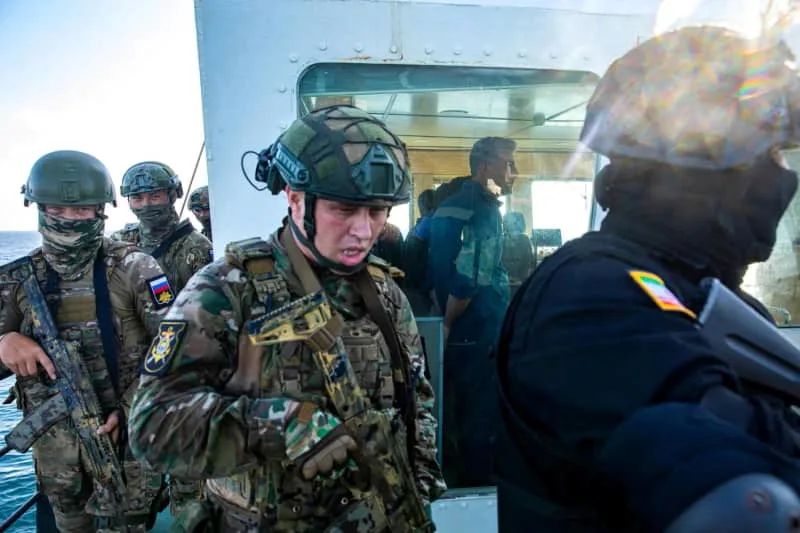
In response to these mounting tensions, the U.S. has ramped up its military presence in the region, deploying F-35C and F-22 Raptor fighters, along with the USS Abraham Lincoln aircraft carrier and the USS Georgia submarine. This show of force is intended to reinforce American commitment to its allies and deter further aggression.
As the diplomatic clock ticks, Israeli Prime Minister Benjamin Netanyahu’s handling of the situation is under scrutiny. Critics accuse him of complicating negotiations by reintroducing previously dismissed demands, a charge Netanyahu’s office vehemently denies. Government spokesperson David Mencer countered, “It is Hamas that continues to set additional terms and has refused to reach an agreement.”
Meanwhile, internal Israeli politics and public discontent swirl around the cease-fire talks. Observers like Mirette Mabrouk from the Middle East Institute speculate that Israel might be maneuvering to leverage its allies into a broader regional conflict. Such a strategy, Mabrouk argues, would be perilous and counterproductive.
On the other side, Iran’s potential role in the talks remains shrouded in mystery. Despite reports suggesting Iran might engage in indirect discussions through backchannels, Tehran’s mission to the United Nations has denied these claims. The White House has been reticent about confirming Iran’s involvement, further complicating the diplomatic landscape.
Domestically, the U.S. administration faces political pressures as well. With the Democratic National Convention on the horizon, the optics of a protracted conflict and anti-war demonstrations could prove problematic for Biden. As Laura Blumenfeld from Johns Hopkins suggests, the President may need to employ a tough stance with Netanyahu to secure concessions and advance the peace process. “The region is on the verge of an explosion,” Blumenfeld warns. “The president must leverage this moment to extract compromises.”
Amid the geopolitical chess game, the human cost of the conflict continues to rise. Nearly 40,000 lives have been lost as a result of the ongoing violence, with casualties primarily among women and children, according to Palestinian health officials. Despite this, the U.S. has approved an additional $20 billion in arms sales to Israel, including advanced fighter jets and air-to-air missiles—a decision that some critics argue undermines America’s position on brokering peace.
Will the U.S. succeed in navigating this treacherous diplomatic terrain, or will the cycle of violence continue to spiral out of control? Only time will tell if a lasting peace is within reach or if the conflict will escalate into a broader regional war.