Increase in Brain Plastic Contamination Raises Health Concerns
A recent preprint study has raised alarms about the increasing presence of tiny plastic particles in human brain tissue. According to the study, brain samples collected in early 2024 contained 50% more plastic particles than samples from 2016. The study’s lead author, Matthew Campen, a regents’ professor of pharmaceutical sciences at the University of New Mexico, reported that these samples contained approximately 4,800 micrograms of plastic per gram of brain tissue, equating to about 0.5% by weight.
The study’s findings reveal that brain tissue samples have a higher concentration of plastic particles compared to kidneys and liver samples from the same individuals. These results highlight a troubling trend: the human brain is accumulating plastic at an accelerating rate. However, the study does not yet address the potential impacts of these particles on brain health or whether they cause neurological damage.
Phoebe Stapleton, an associate professor of pharmacology and toxicology at Rutgers University, emphasized the need for further research. “It is unclear if these particles are static within the brain or if they interact with neurological tissues in a way that could promote disease,” she stated.
Nanoplastics, which are significantly smaller than microplastics, are of particular concern due to their ability to infiltrate individual cells. Campen’s research suggests that these particles may travel to the brain by hitching a ride with lipids, given the brain’s high fat content. “Plastics love fats, so one theory is that they enter the brain alongside the fats we consume,” Campen explained.
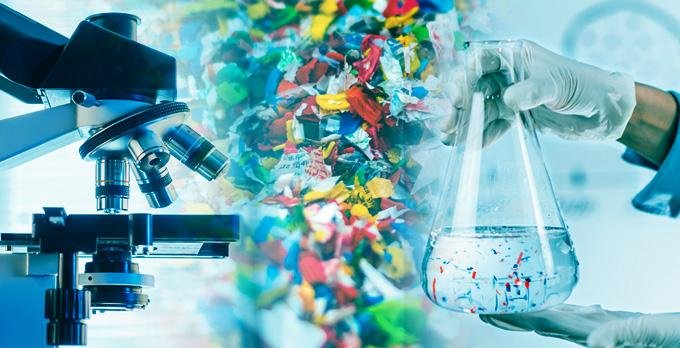
The prevalence of polyethylene, a common type of plastic found in products like bags and bottles, was notably high in the brain samples. The potential health risks associated with these plastics, including endocrine disruption and other toxic effects, are a growing area of concern.
Beyond the brain, microplastics and nanoplastics are found in various organs, including the heart, lungs, liver, and even the placenta. The potential health impacts of these particles are still being studied, but existing research links them to a range of health issues, including reproductive and endocrine disorders.
The study adds to a body of evidence indicating that plastics are pervasive in human environments and bodies, and that their potential impacts warrant serious investigation. “Plastics are like Trojan horses,” said Dr. Philip Landrigan, a pediatrician and biology professor at Boston College. “They carry a multitude of chemicals that could be harmful.”
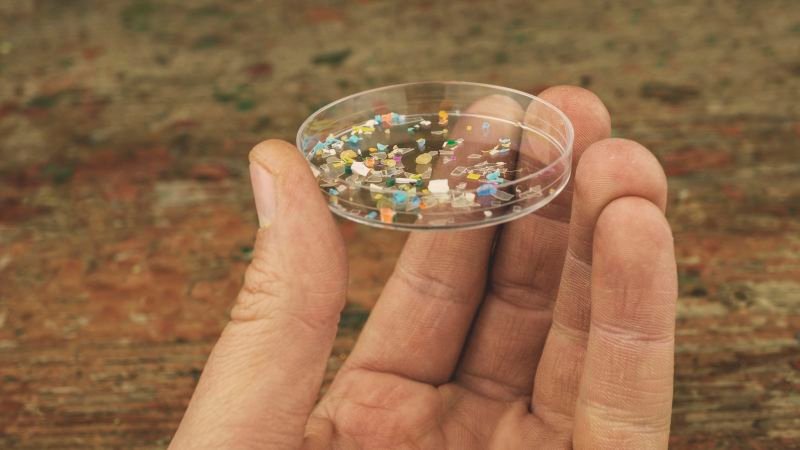
Experts suggest several strategies to minimize plastic exposure. Landrigan advises removing food from plastic packaging before heating or microwaving it to avoid leaching plastic particles into the food. Additionally, using alternatives to plastic, such as metal or glass containers, and avoiding single-use plastics can reduce overall plastic consumption.
Local and global efforts to mitigate plastic use are also important. Landrigan recommends supporting community initiatives to ban plastic bags and advocating for policies that reduce plastic production and waste.
As the science evolves, the immediate focus remains on understanding the full extent of plastic’s impact on human health and implementing practical measures to reduce exposure.