A US Pivot: From Biden Supporter to Trump’s Defender
Elon Musk isn’t just building rockets and cars—he’s waging wars. From fiery confrontations with governments in Brazil and Australia to clashing with the UK and US leaders, Musk has positioned himself as a defender of free speech. But behind the Twitter tirades, many see business interests, political leanings, and personal ambitions shaping his public battles.
It was a showdown with one of Latin America’s largest democracies that first put Musk in the hot seat. When the Brazilian Supreme Court ordered Musk’s platform, X (formerly Twitter), to block far-right accounts and appoint a legal representative in the country, Musk outright refused. His defiance didn’t sit well with Justice Alexandre de Moraes, who responded with an iron fist: banning X, slapping Musk with $3 million in fines, and freezing local bank accounts of both X and Musk’s satellite company, Starlink.
For a moment, Musk attempted to circumvent the ban by reconfiguring X’s servers, but the Brazilian government’s daily fines quickly silenced that rebellion. Faced with mounting pressure, Musk capitulated—agreeing to appoint legal representation and block hate-spreading accounts. With Brazil being X’s third-largest market, Musk may have lost this round, but the stakes in the billion-dollar game were just too high to fold completely.
As Musk’s conflict with Brazil simmered, he took aim at Australia, where the government’s new anti-misinformation law hit his radar. The law threatens hefty fines—up to 5% of a platform’s global revenue—for failing to crack down on harmful falsehoods. In typical Musk fashion, he responded by labeling Australia’s government as “fascists,” igniting a storm of controversy.
While Australia’s Labor government defended the legislation as necessary to protect democracy, Musk and his critics raised concerns about its potential overreach. Even David Coleman, Australia’s shadow communications minister, shared some skepticism, arguing that the bill discriminates between academics and the general public on what qualifies as misinformation. But the Australian government fired back at Musk’s selective free speech advocacy, with Minister Bill Shorten mocking Musk’s inconsistency, saying he changes his stance on free speech when it suits his commercial interests.
It’s not just governments targeting Musk—he’s ready to jump into the fray for others, too. When Telegram CEO Pavel Durov was detained in Paris on charges related to criminal activity facilitated on his platform, Musk rushed to Durov’s defense. Mocking the arrest, Musk posted a sarcastic comment implying Europe’s future authoritarianism, even launching a #FreePavel campaign.
This marked a rare moment of Musk not just standing for his own interests but defending a fellow tech billionaire facing similar accusations of failing to regulate harmful online content.
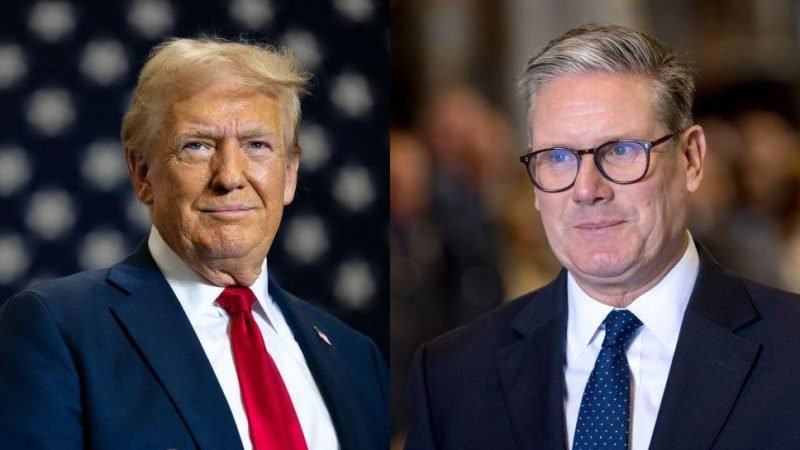
Musk’s penchant for stirring political fires reached new heights in August when he waded into the chaos following far-right riots in the UK. A post blaming open borders and immigration for the unrest prompted Musk to ominously predict, “Civil war is inevitable.” His comments sparked outrage, drawing condemnation from Prime Minister Keir Starmer’s office, which emphasized the importance of keeping violent thuggery off the streets and online.
Undeterred, Musk doubled down, accusing British authorities of a “two-tier” justice system that favored left-wing offenders. UK police chiefs warned that such comments from influential figures like Musk could legitimize violence, putting their officers in harm’s way. Yet Musk’s critique of Starmer’s policies seemed to resonate with segments of the British far-right, amplifying the social media war.
Despite having voted for Joe Biden in 2020, Musk has made a hard pivot, becoming one of Donald Trump’s most vocal supporters ahead of the 2024 election. He’s frequently attacked Biden on X, calling him a “damp sock puppet” and criticizing his administration’s immigration and health policies.
Musk’s political shift became most explosive when he posted a now-deleted comment implying there were assassination attempts against Trump while Biden remained unscathed. The White House swiftly condemned Musk’s rhetoric as “abhorrent” and “anti-Semitic,” but it only solidified Musk’s standing among his far-right audience.
Elon Musk claims he’s defending free speech, but his critics argue that his fights are often about protecting his own business interests. From resisting regulations in Brazil and Australia to backing right-wing causes in the US and UK, Musk’s spats seem to reflect more than just a principled stand—they reveal a billionaire navigating the complicated intersection of power, politics, and profits.
As Musk continues to face off with governments worldwide, one thing is clear: his battles aren’t just about ideology. They’re shaping the future of digital platforms, democracy, and the role of billionaires in global affairs. Whether seen as a champion of free speech or a businessman protecting his empire, Elon Musk’s wars show no sign of letting up.