Sudan’s Silent Suffering: Sexual Violence Weaponized as Conflict Rages On
In the shadows of Sudan’s bloody conflict, a heinous weapon has been unleashed—sexual violence. Since the eruption of war in April 2023, sexual violence has more than doubled, according to a new report from U.N. Women. This grim reality is just one of the many devastating consequences of the war between the Sudanese Armed Forces and the paramilitary Rapid Support Forces, as the country descends deeper into chaos.
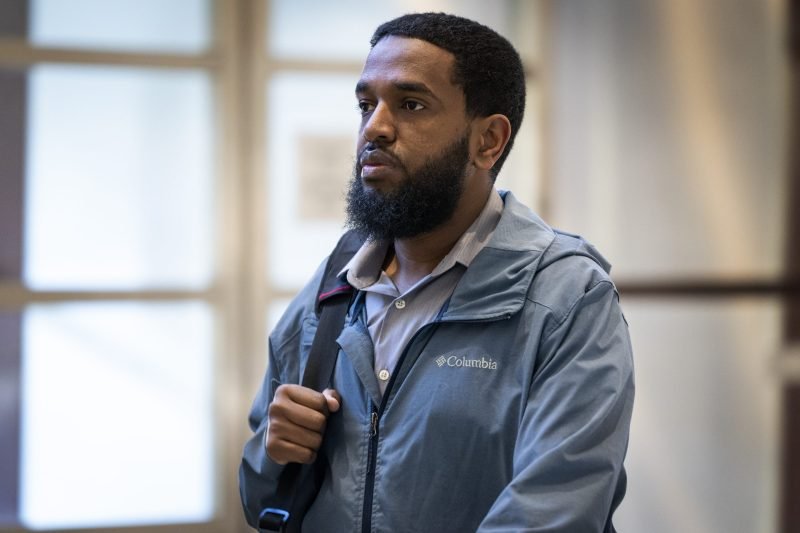
Hodan Addou, U.N. Women’s regional director for East and Southern Africa, minced no words when she addressed journalists on the crisis. “Sexual violence is being used as a weapon of war throughout this conflict,” she declared, speaking from South Sudan via video link. Her statement exposed the tragic increase in conflict-related sexual exploitation and abuse, particularly in war-torn regions like Khartoum, Darfur, Al Jazeera, and Kordofan.
The U.N. Women’s report issued a dire “Gender Alert,” drawing attention to the catastrophic impact the conflict has had on women and girls, especially the 5.8 million internally displaced. The horrors these women face often remain unspoken, with many victims too afraid to report the crimes due to fear of stigma, retribution, and a lack of adequate support. But the silence doesn’t erase the trauma.
“Rape and sexual violence are being used to break communities, to tarnish the social fabric,” Addou explained. “It is despicable, a human rights violation.” For those on the frontlines of this war, the toll has been unbearable. Women and children are not only witnessing the brutal deaths of loved ones but are also experiencing violence firsthand. The report paints a chilling picture of communities shattered by sexual violence, children and women bearing the brunt of the trauma.
As the conflict grinds on, over 6.7 million people have required services related to gender-based violence. “This figure is estimated to be much higher today,” the report emphasizes, a sobering reminder that the scale of this crisis is far greater than even official numbers suggest.
Though men and boys are also victims of gender-based violence, the majority of cases involve women and girls. Their suffering is compounded by Sudan’s broader humanitarian collapse. Sudan, now classified as one of the world’s worst humanitarian crises, has seen 20,000 lives lost, 10.8 million displaced internally, and 2 million forced to flee to neighboring countries. The violence has transformed Sudan into the largest displacement crisis in the world—and the largest hunger crisis, with nearly 26 million people facing acute hunger.
As hunger tightens its grip on the war-torn nation, women and girls are disproportionately affected. “Women and girls are eating least and last,” Addou revealed. An alarming 64% of female-headed households are experiencing food insecurity compared to 48% of male-headed households. The everyday struggle for survival—access to food, clean water, sanitation, and hygiene—is hardest for the country’s women and children.
The health system is on the brink of collapse. According to the World Health Organization, 70% to 80% of hospitals across Sudan are non-functional, leaving women without essential health services. Maternal and child health care have been decimated, increasing pregnancy-related deaths. Whether due to gender-based violence or otherwise, pregnant women are dying from complications that could easily be prevented with proper medical care.
Dr. Margaret Harris, spokesperson for the WHO, stressed the scale of the health disaster: “Women are not getting the standard care that saves your life and your child’s life during childbirth or before childbirth.” Childhood vaccinations, disease surveillance, and vector control have all been disrupted, creating ideal conditions for deadly disease outbreaks to thrive.
In the face of this worsening crisis, U.N. Women is calling for immediate action to protect the women and girls of Sudan. “We are calling for protection for all women and girls,” Addou urged, advocating for access to food, clean water, and essential health services. Beyond protection, U.N. Women is demanding accountability and justice for the countless victims of sexual violence and exploitation.
The situation is dire, but there is hope that the world will not turn its back. “We cannot let Sudan become a forgotten crisis,” Addou declared, her words a reminder that while the conflict continues to ravage the nation, the global community must not stay silent.
Sudan’s women and girls, facing the dual horrors of war and systemic violence, deserve more than to be collateral damage in a forgotten war. They need justice. They need protection. And above all, they need the world to care.