Authorities in Islamabad on Friday enacted stringent security measures, including road blockades, suspension of cell services, and school closures, to prevent supporters of jailed former Prime Minister Imran Khan from marching on the capital. The rally, called by Khan’s Pakistan Tehreek-e-Insaf (PTI) party, was planned to protest alleged electoral fraud and controversial constitutional amendments proposed by the ruling coalition led by Prime Minister Shehbaz Sharif.
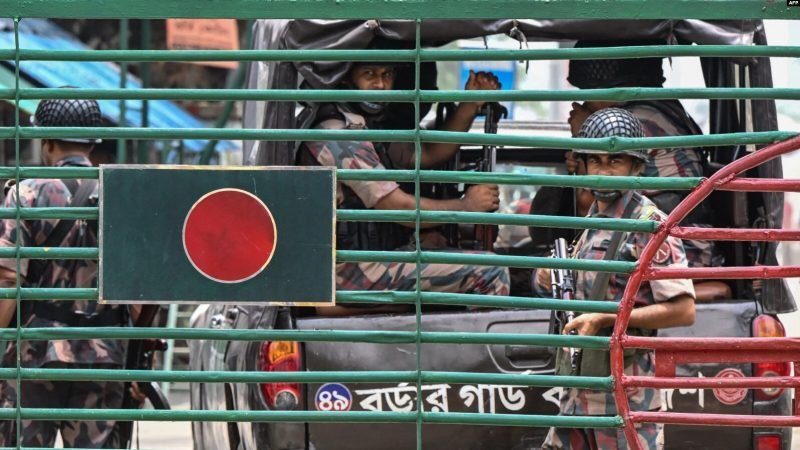
Security forces, bolstered by paramilitary units, sealed off major entry points into Islamabad and its twin city Rawalpindi, home to Pakistan’s military headquarters. The government also banned public gatherings, citing the need for heightened security ahead of diplomatic meetings, including an upcoming visit by Chinese Prime Minister Li Qiang.
Khan, incarcerated since August on contentious corruption charges, urged his supporters to gather at D-Chowk, a central square near parliament, to peacefully challenge what he describes as a rigged electoral process and an illegitimate government. His arrest has only deepened the rift between Khan’s populist movement and the military-backed government, which has faced mounting criticism for its crackdown on dissent.
On the ground, tensions flared as police arrested dozens of PTI activists, including two of Khan’s sisters, Aleema Khan and Uzma Khanum, and used tear gas to disperse demonstrators. Thousands of supporters from PTI-governed Khyber Pakhtunkhwa province, led by the provincial chief minister, marched toward the capital despite these efforts to block their access.
Human rights organizations, including Amnesty International, condemned the government’s response. The watchdog decried the shutdown of communication networks and roadblocks, calling them an infringement on the public’s right to peaceful assembly and free expression. Amnesty urged Pakistan to honor its international obligations and refrain from employing “unlawful force” against the demonstrators.
Interior Minister Mohsin Naqvi defended the heavy-handed measures, emphasizing the need to maintain order ahead of crucial diplomatic engagements, including the Shanghai Cooperation Organization summit scheduled for mid-October. He warned PTI against proceeding with the protest, stating, “Anyone caught will not be shown any leniency.”
The political turmoil has been exacerbated by Khan’s ousting in 2022 through a parliamentary no-confidence vote, which he claims was orchestrated by the military—an assertion Sharif and the military deny. Despite being under constant pressure, Khan’s PTI won the largest share of seats in February’s general election but fell short of securing a parliamentary majority, allowing the ruling coalition to remain in power. Khan’s enduring popularity has kept him at the center of Pakistan’s volatile political landscape, even as the government continues to tighten its grip on opposition activities.
The ongoing confrontation underscores the deepening fissures within Pakistan’s democracy, where the military’s influence and a polarized political environment complicate prospects for stability. As both sides dig in, the question remains whether this political impasse can be resolved through dialogue—or if the nation will see further unrest.