Analysis: Diplomatic Shifts, Geopolitical Maneuvering, and the Risks Ahead –
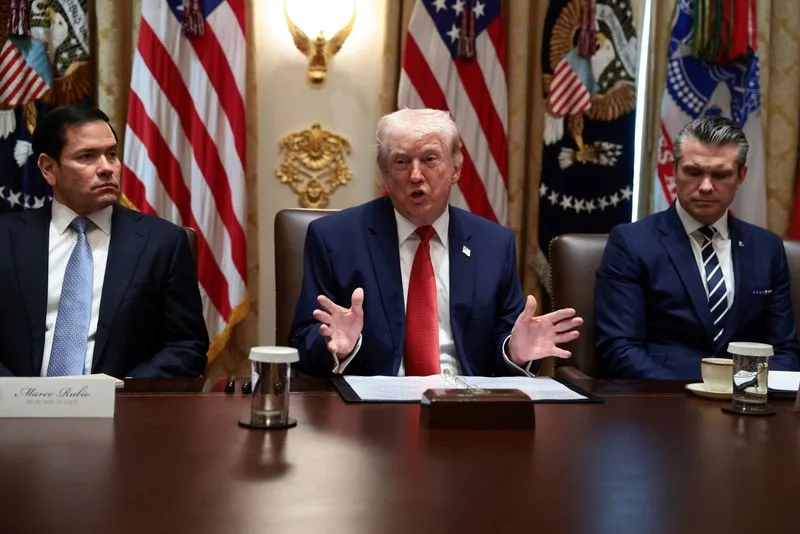
President-elect Donald Trump’s assertion that the United States might reclaim control over the Panama Canal marks a sharp departure from established U.S. diplomatic norms. By accusing Panama of unfair toll rates and raising concerns about potential Chinese influence, Trump has introduced a new dimension to U.S.-Panama relations, potentially igniting a geopolitical flashpoint in the Americas.
Geopolitical Stakes of the Panama Canal
The Panama Canal is a critical artery of global trade, facilitating the transit of over 14,000 ships annually and accounting for 2.5% of global seaborne trade. For the U.S., it serves as a vital link for importing goods from Asia and exporting key commodities like liquefied natural gas. Control of this passage ensures economic stability and strategic leverage in the Western Hemisphere.
Trump’s rhetoric about “retaking” the canal reflects his broader worldview of protecting American economic and strategic interests. However, such a move would likely violate international law and provoke widespread condemnation, not only from Panama but also from other nations invested in maintaining the canal’s neutrality.
Allegations of Chinese Influence
Trump’s warning about the canal falling into “wrong hands” aligns with his administration’s broader concerns about China’s expanding influence in global trade and infrastructure. Although China does not administer the canal, its involvement in managing adjacent ports via CK Hutchison Holdings raises concerns in Washington about Beijing’s long-term strategic ambitions in the region.
China’s Belt and Road Initiative has already expanded its reach across Latin America, with Beijing investing heavily in infrastructure projects and trade agreements. Trump’s rhetoric, therefore, underscores fears that Chinese influence near the canal could undermine U.S. dominance in the region.
Historical Context and Legal Boundaries
The U.S. built and controlled the canal for most of the 20th century, but the Torrijos-Carter Treaties of 1977 formalized its eventual handover to Panama in 1999. These agreements symbolized a shift toward respecting Panamanian sovereignty and marked an era of improving U.S.-Latin American relations. Trump’s suggestion to “demand” the canal’s return threatens to upend decades of diplomatic progress and risks alienating not just Panama but other Latin American nations wary of perceived U.S. imperialism.
Under international law, the U.S. has no legal grounds to reclaim the canal, making Trump’s threats largely rhetorical. However, such statements may embolden nationalist sentiments in Panama and complicate bilateral relations.
Reactions and Implications
Panama’s President Jose Raul Mulino and other political leaders swiftly rebuffed Trump’s comments, asserting their sovereignty and denying allegations of Chinese interference. Mulino’s emphatic statement that the canal will “continue belonging to Panama” highlights the unlikelihood of Trump’s threats materializing without severe international backlash.
Domestically, Trump’s remarks may resonate with his political base, reinforcing his image as a leader willing to challenge international norms to protect American interests. However, they could also strain U.S. alliances in Latin America and increase skepticism about his approach to foreign policy.
Broader Strategic Implications
Trump’s rhetoric reflects a broader trend of escalating competition between the U.S. and China in critical trade and strategic zones. As Beijing deepens its footprint in Latin America, Washington may feel compelled to respond more aggressively to maintain influence. However, aggressive moves like threatening to retake the Panama Canal risk undermining U.S. credibility and pushing regional actors closer to China.
Navigating the Tightrope of Diplomacy
Trump’s threat to retake the Panama Canal illustrates his willingness to engage in bold and controversial rhetoric, but it also exposes the risks of destabilizing a critical region. While concerns about Chinese influence near the canal are valid, the path forward must balance protecting U.S. interests with respecting international agreements and sovereignty.
As Trump prepares to take office, his administration faces a critical test in crafting a policy that addresses strategic concerns without alienating key regional partners or provoking unnecessary conflict. The Panama Canal, a symbol of both U.S. engineering prowess and diplomatic evolution, now stands at the intersection of history, geopolitics, and Trump’s assertive vision for America’s future.