The Azerbaijan Airlines Christmas Day crash near Aktau, Kazakhstan, has left the aviation world reeling. With 38 lives lost and harrowing scenes of survivors emerging from the wreckage, the tragedy has sparked questions about its cause, including the plausibility of a bird strike. While initial reports suggest this natural hazard may have played a role, conspiracy theories and unverified claims point to a darker narrative.
Flight J2-8243, en route from Baku to Grozny, veered off its planned course and attempted an emergency landing near Aktau, an oil-rich hub by the Caspian Sea. Preliminary investigations indicate the pilot’s decision to divert followed a potential collision with birds, leading to catastrophic engine failure. However, Azerbaijan Airlines retracted its initial statement regarding a bird strike, stating it is too early to conclude the investigation.
The crash occurred approximately three kilometers from the Aktau airstrip, with survivors describing moments of sheer terror. Viral footage shows oxygen masks dangling and passengers praying as the aircraft plummeted. Upon impact, rescuers found a scene of devastation but managed to save 29 lives, including two children, though 11 remain critically injured.
Bird strikes are not uncommon in aviation. Known to endanger smaller aircraft or those with single engines, bird strikes can cause engine failure, structural damage, and even catastrophic crashes. Iconic incidents, such as US Airways Flight 1549’s “Miracle on the Hudson” in 2009, highlight their potential for disaster even in large jets. Yet, skeptics question whether a bird strike alone could explain the Azerbaijan Airlines tragedy, given its mid-flight deviation and catastrophic descent.
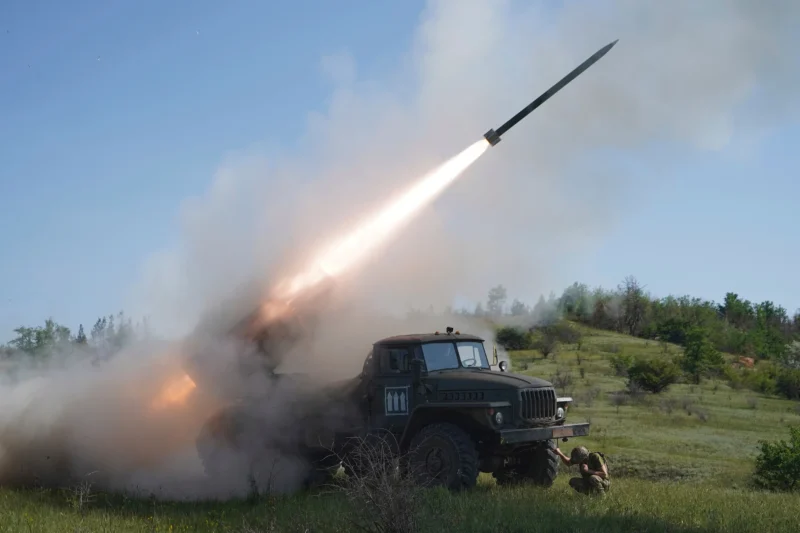
Shortly after the crash, whispers of a more nefarious cause emerged. Some suggested Russian air defenses may have mistaken the civilian aircraft for a Ukrainian drone, citing alleged shrapnel-like damage visible in images. The Fighterbomber Telegram channel amplified this theory, showing purported footage of the plane with holes resembling shell impact. While Kazakhstan and Russian aviation authorities maintain that a bird strike remains the most plausible explanation, the lack of definitive answers has fueled speculation.
Adding to the intrigue, the crash comes against the backdrop of heightened regional tensions. The Caspian Sea region has seen increased militarization and geopolitical maneuvering, leading some to wonder whether the crash was a tragic misstep in this volatile context.
Bird strikes have been a known aviation hazard since the Wright brothers first took to the skies. While modern aviation has made strides in mitigating the risks—through radar tracking, adjusted flight paths, and airport habitat management—bird strikes remain a persistent issue. Airports near migratory paths or water bodies are particularly vulnerable.
The phenomenon underscores a delicate balance between human activity and wildlife preservation. Conservationists have called for the establishment of migratory corridors to minimize such encounters. However, these measures require coordination across nations and regions—a challenge in geopolitically sensitive areas like Central Asia.
With the black box recovered, investigators are expected to provide clarity on the events leading to the crash. However, the tragedy has already exposed cracks in regional aviation safety protocols and prompted renewed calls for international cooperation in addressing bird strikes and other hazards.
This incident also serves as a grim reminder of the complexities surrounding modern aviation in geopolitically charged zones. Whether the crash was a result of natural forces, mechanical failure, or a darker turn of events, the answers will shape not only aviation safety policies but also perceptions of stability in the Caspian region.
The Azerbaijan Airlines crash is a tragedy layered with unanswered questions. While bird strikes are a credible cause, the lack of clear answers has given rise to theories that point to broader regional tensions. As investigators piece together the chain of events, this incident highlights the fragile interplay of natural hazards, aviation safety, and geopolitics—a trifecta that demands vigilance and transparency in the skies.