UN Diplomacy Struggles to Contain Yemen War as Houthis Advance Toward Bab el-Mandeb
ADEN / AMMAN — November 16, 2026
United Nations efforts to prevent another escalation in Yemen are facing growing pressure as Houthi forces strengthen their position along the Red Sea coast and fighting threatens the approaches to the strategic Bab el-Mandeb Strait.
UN Special Envoy Hans Grundberg has held talks with Houthi representatives, including chief negotiator Mohammed Abdul-Salam, in an effort to find ways to contain the conflict. In comments to the Associated Press, Grundberg described the regional situation as “unprecedented and dramatic” and warned that the latest escalation is more complex than previous phases of Yemen’s war.
The diplomatic effort comes as military developments move in the opposite direction. On November 15, Yemeni government forces announced a withdrawal from positions near Bab el-Mandeb to concentrate on defending Aden. Reuters described the move as a major setback for the Saudi-backed campaign against the Houthis.
A strategic setback for Saudi Arabia
The latest battlefield developments have weakened the internationally recognised Yemeni government’s position.
The Houthis captured the Red Sea port city of Mocha and advanced toward Bab el-Mandeb in September. A Saudi-backed counteroffensive initially reported gains, but government forces have now withdrawn from the area to reinforce Aden.
Reuters also reported on November 16 that Saudi Arabia had replaced the commander of its joint forces in Yemen following the setbacks. The leadership change underscores the pressure facing Riyadh as Houthi advances and attacks on Saudi territory complicate its military position.
Why Bab el-Mandeb matters
Bab el-Mandeb connects the Red Sea to the Gulf of Aden and the wider Indian Ocean. It is a critical passage for international shipping, including energy shipments and commercial goods moving between Asia and Europe.
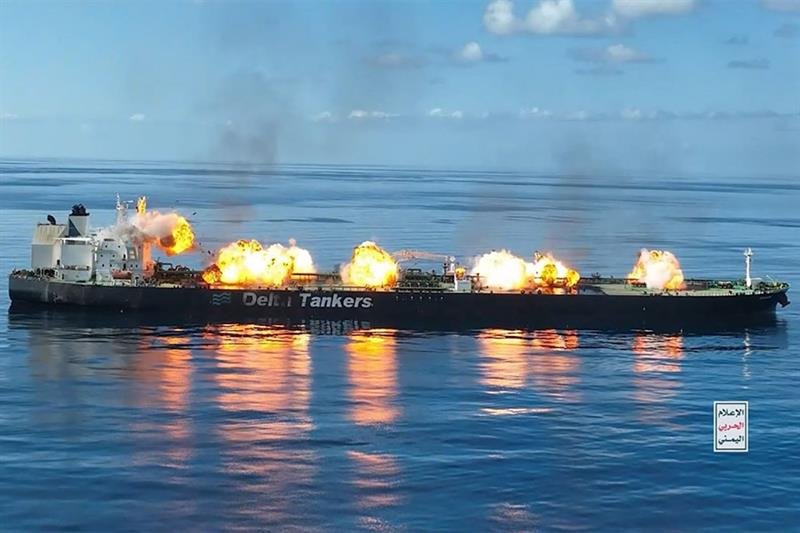
Houthi control or military influence along the surrounding coastline does not automatically mean the group controls all maritime traffic. However, its territorial gains provide greater opportunities for surveillance, military positioning and threats against vessels.
A November 8 maritime security advisory assessed that the Houthis retained the capability to threaten shipping despite earlier government counteroffensive gains.
Implications for Somaliland and the Horn of Africa
The developments carry direct strategic implications for Somaliland, Djibouti, Somalia and Ethiopia.
Berbera: Increased threats around the Red Sea could affect shipping costs, insurance premiums and investor confidence.
Djibouti: Its ports and international military facilities sit within a maritime environment increasingly exposed to regional conflict.
Ethiopia: As a landlocked country dependent on external ports, it remains vulnerable to disruptions along major maritime corridors.
Somaliland: Its proximity to Bab el-Mandeb makes maritime security, coastal surveillance and port protection important economic priorities.
The danger is that instability in the Strait of Hormuz and Bab el-Mandeb could compound each other, putting additional pressure on energy supplies, shipping and regional economies.
WARYATV strategic assessment
The UN envoy’s diplomatic engagement is taking place against a deteriorating military picture. The latest withdrawal by government forces demonstrates how difficult it has become to reverse Houthi gains along Yemen’s western coast.
For Saudi Arabia, the challenge is no longer limited to preventing attacks on its territory. It also involves protecting the Red Sea coastline and limiting the Houthis’ ability to influence one of the world’s most important maritime chokepoints.
For the international community, the issue extends beyond Yemen’s internal conflict. A prolonged Houthi military presence near Bab el-Mandeb could give the movement greater leverage over international shipping and regional security.
The judgment: Diplomacy remains necessary, but the military balance around Bab el-Mandeb has shifted. Somaliland and neighbouring states should treat developments in western Yemen as a regional economic and maritime security concern, not simply another chapter in Yemen’s civil war.