President Irro pledges advanced weaponry, new military branches, and a 200% salary boost for soldiers as Somaliland faces growing security challenges.
Somaliland’s President Abdirahman Mohamed Abdullahi Irro has unveiled an ambitious plan to modernize the military and significantly increase soldiers’ salaries. The move comes at a critical time, as Somaliland faces mounting security challenges and a loss of control in parts of the Sool region following recent clashes with SSC-Khatumo forces.
A New Vision for Somaliland’s Military

In a high-profile meeting with senior military officials in Hargeisa, President Irro vowed to create a national army equipped with cutting-edge weaponry and comprehensive training. He outlined plans to:
- Introduce advanced weaponry to secure Somaliland’s borders, airspace, and seas.
- Draft new military laws to streamline the armed forces.
- Establish an air force and reserve units to strengthen national defense.
- Integrate civilian militias formed during recent conflicts in eastern Somaliland.
President Irro emphasized that these reforms are not merely campaign rhetoric but are already in motion, citing the implementation of a 200% salary increase for soldiers as evidence of his commitment.
Strategic Timing Amid Mounting Challenges
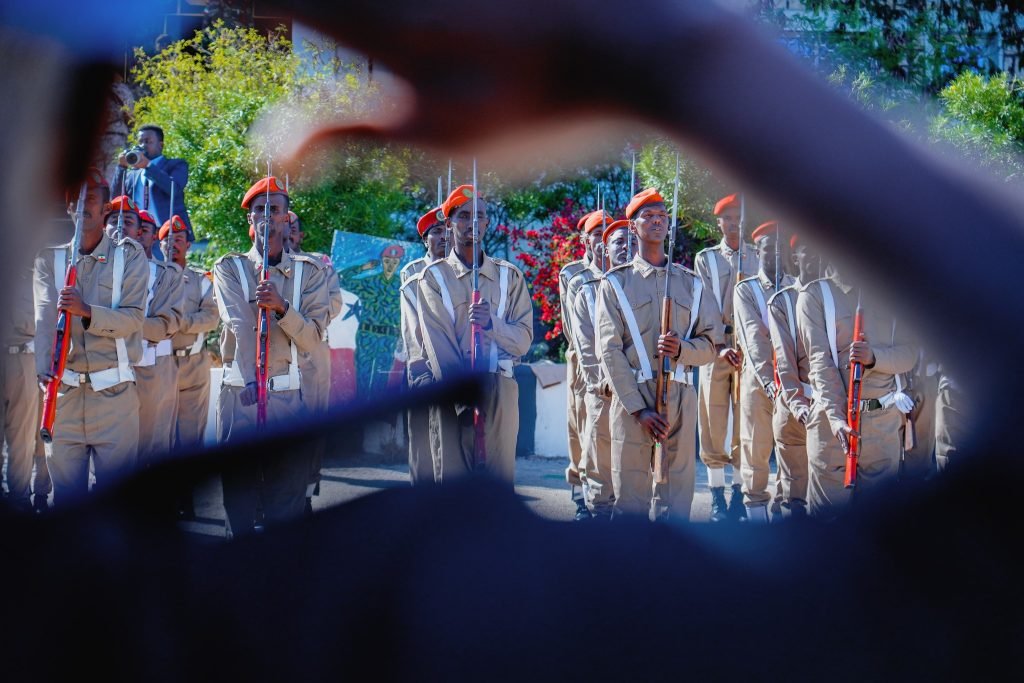
The president’s announcement comes at a time of heightened tension and significant military setbacks for Somaliland. Recent defeats in the Sool region, particularly in Las Anod, saw hundreds of Somaliland soldiers captured and critical military equipment seized by SSC-Khatumo forces. These losses have raised questions about the current state of Somaliland’s military readiness and morale.
By modernizing the military and boosting salaries, President Irro aims to address both operational deficiencies and declining morale among troops. A well-equipped and motivated army is essential not only for countering the SSC-Khatumo threat but also for maintaining Somaliland’s broader security and territorial claims.
Financial and Political Feasibility
While the vision of a modern military is commendable, questions remain about its feasibility. Somaliland operates without international recognition, limiting its access to foreign military aid and advanced weaponry. The ambitious plans to raise salaries, procure modern equipment, and establish new branches such as an air force will require significant financial resources.
President Irro’s government will need to balance these military expenditures against other pressing domestic needs, including infrastructure, education, and healthcare. Critics may also question whether such sweeping reforms can be achieved without external support or partnerships.
Implications for the Region
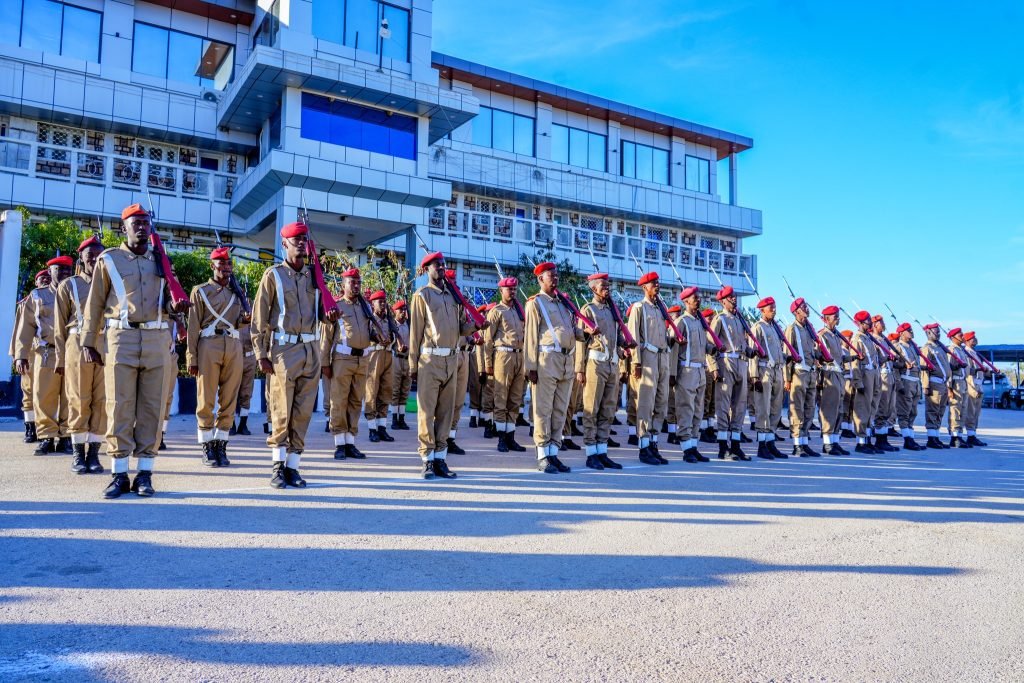
A modernized Somaliland military could shift the balance of power in the contested regions of Sool, Sanag, and Togdheer, where territorial disputes and clan-based conflicts persist. The integration of civilian militias into the national military structure, if successful, could enhance local cooperation and strengthen Somaliland’s control over these volatile areas.
However, the announcement could also escalate tensions with SSC-Khatumo forces and other groups that oppose Somaliland’s territorial. The modernization push might be perceived as a threat, prompting further mobilization and resistance in contested regions.
Challenges of Military Modernization
Somaliland faces several obstacles in achieving its military modernization goals:
Resource Constraints: Without international recognition, Somaliland’s ability to acquire advanced weaponry and training is limited.
Regional Dynamics: Modernizing the military could alarm neighboring Somalia and other actors, potentially leading to increased regional instability.
Internal Divisions: The integration of civilian militias and the focus on eastern regions may deepen clan-based divisions, complicating national unity efforts.
A Bold Vision Amid Uncertainty

President Irro’s pledge to modernize Somaliland’s military and enhance soldier welfare represents a bold step toward strengthening the nation’s security apparatus. However, the success of these reforms will depend on overcoming significant financial, political, and logistical challenges.
In a region marked by deep divisions and ongoing conflicts, a stronger military could bolster Somaliland’s claims to stability and self-governance. Yet, if not carefully managed, this ambitious agenda risks exacerbating tensions both internally and with external actors.
As Somaliland moves forward with its military overhaul, the stakes are high for both the government and the broader region. Whether these promises will translate into tangible progress or remain political aspirations remains to be seen.