MOSCOW — The Kremlin’s gilded doors opened to an unfamiliar visitor on Wednesday: Syrian President Ahmed al-Sharaa, the man who toppled Bashar al-Assad’s two-decade rule and now seeks to rebuild a broken nation without breaking its old alliances.
Standing beside Vladimir Putin in the ornate Kremlin hall, Sharaa pledged that Syria would “respect all agreements made with Russia,” a statement designed to calm Moscow’s most pressing concern — the fate of its two strategic military bases at Hmeimim and Tartous.
For Putin, those words were the assurance he wanted to hear: Russia’s anchor in the Mediterranean remains intact.
But the handshake masked a deeper recalibration. Sharaa’s first visit to Moscow was not just about gratitude; it was about redefining who holds the reins in Syria’s new order — and testing how far Russia’s loyalty to Assad still runs.
The Unspoken Tension
Behind closed doors, the agenda was sensitive. According to Syrian officials, Sharaa planned to formally request the extradition of former President Bashar al-Assad, who has lived under Russian protection since fleeing Damascus last December.
Assad’s presence in Moscow has become a political and moral shadow over Sharaa’s government, which now seeks to put the ex-dictator on trial for crimes against Syrians.
The Kremlin, however, remains protective. Foreign Minister Sergey Lavrov repeated this week that Moscow granted asylum to Assad on humanitarian grounds, saying “his life was under threat.”
In a pointed rebuke to speculation, Lavrov also denied reports that Assad had been poisoned. “He lives comfortably in our capital,” he said, ending the topic.
For Russia, Assad’s exile is a transactional arrangement — a human shield against future accountability and a reminder to Damascus that its sovereignty still has strings attached.
A War-Torn Country in Diplomatic Balancing
Sharaa’s rise — from militant leader to head of state — marked one of the most dramatic turns in Syria’s modern history.
Once accused of commanding jihadist factions, he united rival militias, ousted Assad, and promised “a sovereign, democratic Syria built on reconciliation.” Yet the new president has quickly learned that sovereignty is negotiable when Russia still controls the skies.
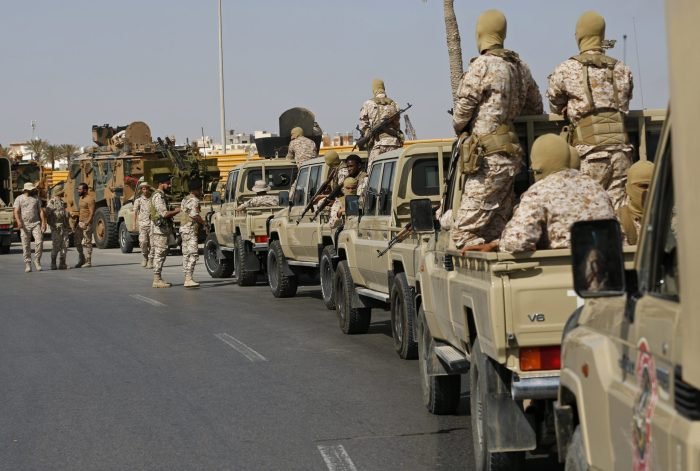
Syria remains dependent on Russian fuel, grain, and weapons. The two bases on the coast give Moscow access to the eastern Mediterranean and proximity to Israel, Turkey, and Egypt — advantages the Kremlin will not easily relinquish.
Before the meeting, Lavrov even floated using the bases as logistics hubs for delivering aid to Africa, signaling that Moscow sees Syria as part of its broader geopolitical supply chain.
Israel and the Southern Front
Sharaa also arrived in Moscow with a regional grievance: Israel’s expanding presence in southern Syria. After Assad’s fall, Israel deployed troops to a UN-patrolled buffer zone, claiming to protect Druze communities from crossfire. Damascus calls it encroachment.
Sharaa reportedly asked for Russia’s backing to block Israeli demands for a widened demilitarized zone and proposed redeploying Russian military police as a deterrent.
The request places Moscow in an uncomfortable spot. It values its security coordination with Israel but cannot afford to alienate Damascus, especially when U.S. and Gulf influence in the Levant is waning.
Putin’s Strategic Patience
Putin’s public tone was warm but measured. He congratulated Sharaa on holding parliamentary elections — “a great success for the consolidation of society,” he said — and praised Syria’s “many useful beginnings.”
But the Kremlin chief avoided direct mention of Assad’s extradition, signaling that Moscow will play mediator, not accomplice.
For Putin, the meeting is a study in controlled adaptation: preserving Russian military privileges while embracing the new ruler who overthrew Moscow’s old client.
For Sharaa, it’s a diplomatic debut — one that tests whether he can balance justice at home with dependency abroad.
A Fragile New Era
A senior diplomatic source in Moscow told media that the talks were “cordial but cautious,” describing them as a “reset of necessity, not ideology.”
Sharaa, the source said, wants to rebuild Syria’s army with Russian help — but under Syrian command, free from Assad’s loyalist networks.
Whether Moscow will oblige remains uncertain. What’s clear is that Russia, bogged down in Ukraine and under Western sanctions, cannot afford to lose its last Middle Eastern anchor.
And Sharaa, facing Israeli pressure and economic collapse, cannot afford to lose Russian wheat or weapons.
Both need each other — but for different reasons.
As Sharaa’s motorcade left the Kremlin without a joint press conference, it was evident that Syria’s revolution has entered its diplomatic phase.
Assad may be gone, but his ghost still sits at every negotiating table.