China, Russia and Iran Launch BRICS Plus Naval Drills in South African Waters Amid Global Tensions.
China, Russia and Iran have opened a week-long joint naval exercise in South African waters, a move that underscores the growing confidence — and coordination — of the BRICS Plus bloc at a time of sharp friction with Washington and its allies.
Dubbed “Exercise WILL FOR PEACE 2026,” the drills are officially framed by South Africa as a maritime security operation aimed at safeguarding shipping lanes and economic activity. Unofficially, the message is harder to miss: major non-Western powers are increasingly willing to train, signal and operate together beyond their immediate regions.
The exercises bring together three countries that have each faced varying degrees of confrontation with the United States. China is locked in strategic rivalry with Washington, Iran remains under heavy sanctions, and Russia is entrenched in a prolonged war in Ukraine. Their convergence off Africa’s southern coast adds symbolic weight, especially as global shipping routes and maritime chokepoints grow more contested.
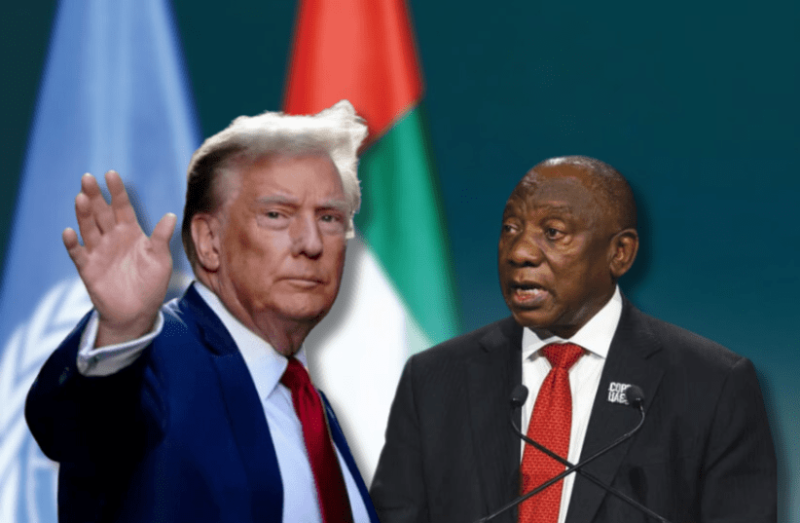
South Africa insists the drills are technical, not political. Military officials argue that interoperability, information-sharing and maritime safety are the core objectives — and point out that Pretoria also conducts exercises with Western navies, including the United States. But timing matters. The drills come amid President Donald Trump’s renewed pressure on BRICS nations, including tariff threats and accusations of pursuing anti-American agendas.
BRICS Plus, now expanded beyond its original five members to include countries such as Iran, Saudi Arabia, the UAE, Egypt, Ethiopia and Indonesia, is steadily evolving from an economic forum into a looser strategic platform. Even the presence of observers like Brazil, Egypt and Ethiopia reinforces the sense that the bloc wants to project relevance beyond trade and development.
Domestic politics in South Africa reveal the tension. The pro-Western Democratic Alliance has accused the government of undermining neutrality and allowing the country to be drawn into the “power games” of authoritarian states. Pretoria rejects that charge, arguing that neutrality means engaging broadly — not choosing sides.
What is clear is that the maritime domain is becoming a new stage for multipolar signaling. As the U.S. and its allies focus on sanction enforcement and naval dominance, BRICS Plus is testing its own ability to coordinate, train and appear unified.
These drills are unlikely to change the balance of power overnight. But they do reflect a wider shift: a world where competing blocs are no longer content to argue influence on paper — they are increasingly doing it at sea.