Diplomats in Geneva. Warships in Hormuz. Is a nuclear deal closer — or is this brinkmanship?
Iran said Monday that the United States has adopted a “more realistic” position on its nuclear program, as both sides prepare for a second round of indirect negotiations in Geneva — even as Iranian forces launch military drills in the Strait of Hormuz.
Foreign ministry spokesman Esmaeil Baqaei said discussions mediated by Oman had prompted cautious optimism. “The U.S. position on the Iranian nuclear issue has moved towards a more realistic one,” he said, according to state media.
Iran’s foreign minister, Abbas Araghchi, arrived in Switzerland ahead of Tuesday’s talks. He also met with Rafael Grossi, head of the International Atomic Energy Agency, for what both described as in-depth technical discussions.
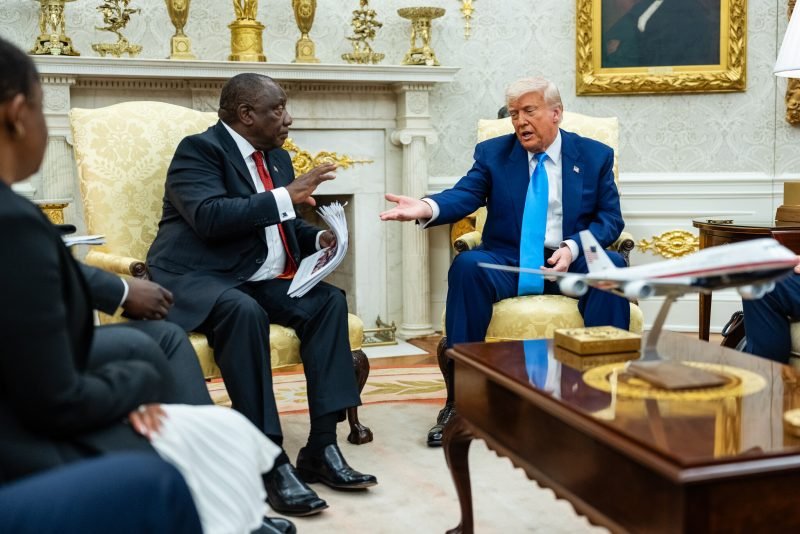
Washington has confirmed that Middle East envoy Steve Witkoff and Jared Kushner will represent the United States. Secretary of State Marco Rubio said the administration remains hopeful for a deal but acknowledged the difficulty of negotiations.
Meanwhile, Iran’s Revolutionary Guards began exercises in the Strait of Hormuz, through which roughly 20 percent of global oil shipments transit. Iranian state television said the drills aim to prepare for “potential security and military threats.”
The military activity underscores the high stakes surrounding the talks. U.S. President Donald Trump has recently increased military deployments to the region and reiterated that regime change would be preferable, while also saying he prefers a negotiated solution.
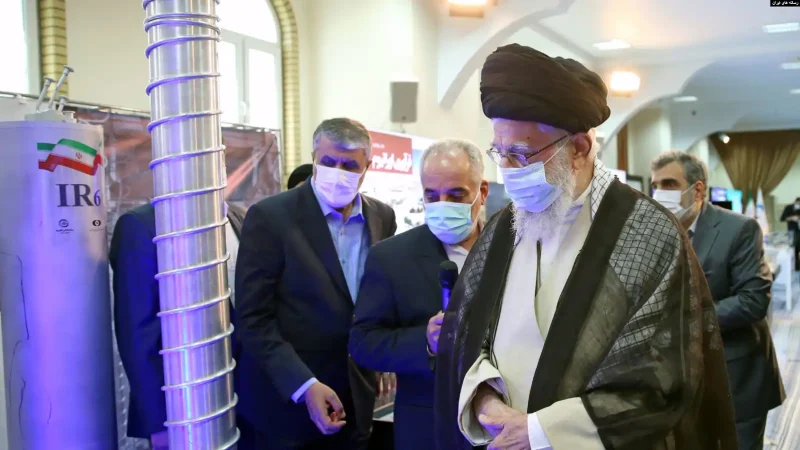
Western governments remain concerned that Iran’s nuclear program could advance toward weapons capability, an accusation Tehran denies. Israeli Prime Minister Benjamin Netanyahu has insisted any agreement must eliminate Iran’s enriched uranium stockpile and enrichment capacity.
Iranian officials have indicated they could consider limits on uranium stockpiles if sanctions are lifted, but have ruled out “submission before threats.”
With war games in Hormuz and diplomats in Geneva, the coming days will test whether rising military pressure translates into compromise — or further confrontation.