President Floats Waiving Oil Sanctions, Naval Escorts in Hormuz as Markets Whipsaw and Pressure Mounts.
End the war “very soon”? Lift oil sanctions? Escort tankers through Hormuz? Trump signals a pivot — but vows harsher strikes if Iran escalates.
President Donald Trump signaled Monday that the U.S.-Iran war could wind down “very soon,” while floating the possibility of waiving certain oil-related sanctions and deploying the U.S. Navy to escort tankers through the Strait of Hormuz.
The remarks, delivered at his Doral resort in Florida, come amid volatile energy markets, rising gasoline prices and mounting political pressure at home.
Trump said the operation was ahead of schedule but not likely to conclude this week. He claimed U.S. forces had struck thousands of targets and sharply reduced Iran’s missile and drone capabilities, calling military objectives “pretty well complete.”
At the same time, he warned of bombing “at a much, much harder level” if Tehran disrupts oil flows through the strait — the artery for a fifth of global crude and LNG shipments.
“We’re looking to keep oil prices down,” Trump said, adding he could waive “certain oil-related sanctions” to reduce prices. He offered no specifics but acknowledged discussing the topic with Russian President Vladimir Putin.
Washington has imposed wide-ranging restrictions on Russia’s energy sector over Ukraine, including a price cap and sanctions on major producers. Treasury Secretary Scott Bessent has previously suggested targeted waivers; last week, Indian refiners were temporarily allowed to purchase Russian oil already at sea.
Markets reacted swiftly. U.S. stocks rebounded after Trump first hinted to CBS that the conflict might be nearing its end. Oil futures, which had spiked above $119 a barrel earlier in the day, retreated below $90 post-settlement.
Group of Seven finance ministers said they stand ready to support global energy supplies, including potential stockpile releases, though France cautioned there is no agreement yet to tap emergency reserves.
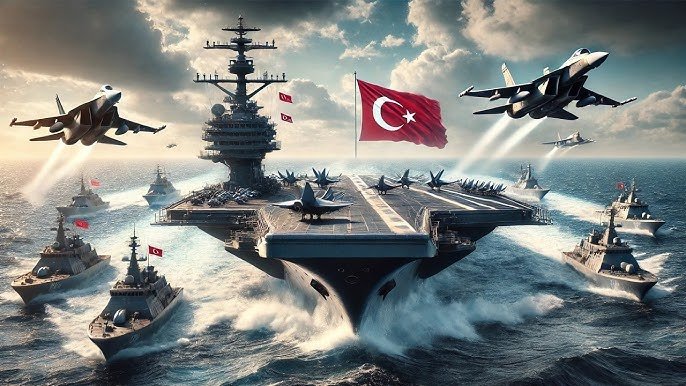
Still, risks remain acute. The Strait of Hormuz is effectively constrained, and major Gulf producers have trimmed output. Trump said the Navy and partners could escort tankers “if needed,” and he warned that if Iran blocks the strait, it would face retaliation “TWENTY TIMES HARDER.”
On the ground, the conflict shows no sign of immediate ceasefire. Casualties have mounted across Iran, Israel and parts of the Gulf. Iran’s new supreme leader, Mojtaba Khamenei, has pledged continuity.
U.S. officials maintain they can sustain operations indefinitely, even as domestic concerns over inflation and fuel costs intensify ahead of November’s midterms.
Trump now faces a delicate balance: deliver “ultimate victory” while stabilizing energy markets and containing the war’s regional spillover. Whether sanctions relief and naval escorts mark a genuine pivot — or tactical messaging amid market turbulence — may determine how soon this conflict truly ends.