If Russia is aiding Iran, why is Washington easing the pressure? That question is now echoing across Capitol Hill.
Trump Administration Eases Oil Restrictions on Russia Despite Reports It Is Assisting Tehran Against U.S. Forces,
The Trump administration has moved to temporarily ease sanctions on Russian oil exports — even as U.S. officials acknowledge intelligence suggesting Moscow may be helping Iran target American assets in the escalating Middle East war.
Multiple outlets have reported that Russia provided Tehran with information potentially useful in striking U.S. forces. One American official described the assistance bluntly: Moscow was offering “intelligence help to Iran.” The White House has not publicly disputed that assessment. Instead, senior officials have largely dismissed the significance of the reports.
The policy shift came days later. The Treasury Department granted a temporary exemption allowing Russian oil already at sea to be delivered to global buyers, a move designed to increase supply and temper surging energy prices tied to the Iran conflict.
According to the The New York Times, the exemption represents a notable pivot in Washington’s pressure campaign over Russia’s war in Ukraine.
Administration officials argue the measure is pragmatic. With oil prices climbing and the Strait of Hormuz under threat, easing supply constraints could stabilize global markets. Treasury Secretary Scott Bessent framed the decision as part of a broader effort to protect consumers from inflation shocks.
But critics see a contradiction.
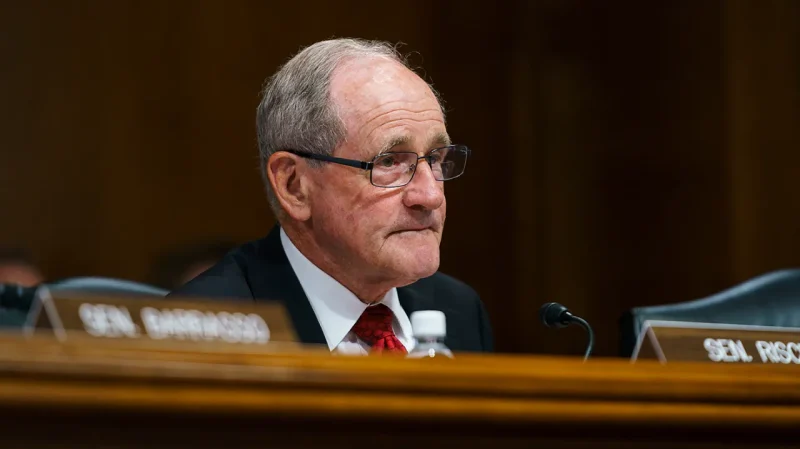
Sen. Elissa Slotkin, a former CIA and Pentagon official, warned during a Senate hearing that if Russia is aiding attacks on U.S. troops, “we have crossed a Rubicon.” Instead of escalating pressure, she argued, Washington is granting Moscow financial relief at a moment of heightened risk.
Special envoy Steve Witkoff, who has held multiple meetings with Vladimir Putin, has publicly emphasized Moscow’s denials. “We can take them at their word,” he said in a televised interview. NATO Ambassador Matthew Whitaker echoed that position in subsequent appearances.
Democrats remain unconvinced. Sen. Chris Coons argued that Russia stands to benefit strategically from the Iran war, which diverts Western attention and fractures alliances. The The Wall Street Journal observed that the Kremlin appears quietly satisfied as Washington’s focus shifts.
The broader geopolitical calculus is complex. By easing oil sanctions, the administration may be attempting to manage domestic economic pressure as gasoline prices rise. Yet the move also risks sending mixed signals about U.S. resolve toward Moscow at a time when the Ukraine war remains unresolved.
In wartime, economic stability can shape political survival. But when sanctions policy collides with battlefield intelligence, the trade-offs become stark.
For now, the administration appears to be betting that lower energy prices outweigh the diplomatic costs. Whether that calculation holds — especially if further evidence of Russian assistance to Iran emerges — may determine not only the course of the conflict, but the credibility of Washington’s broader strategy.