Bombed, damaged, delayed—but not destroyed. Iran’s nuclear clock is still ticking.
Iran’s nuclear program has been significantly damaged by months of U.S. and Israeli strikes—but it has not been eliminated. What remains is a reduced, disrupted system that still holds the core ingredients for future recovery.
Before the war began on February 28, Iran had already reached a critical threshold. It was enriching uranium up to 60 percent purity—just short of weapons-grade—and had accumulated more than 400 kilograms of highly enriched uranium, enough for multiple nuclear weapons if further processed. Its breakout time had shrunk to weeks, a sharp departure from the constraints imposed under the 2015 nuclear deal.
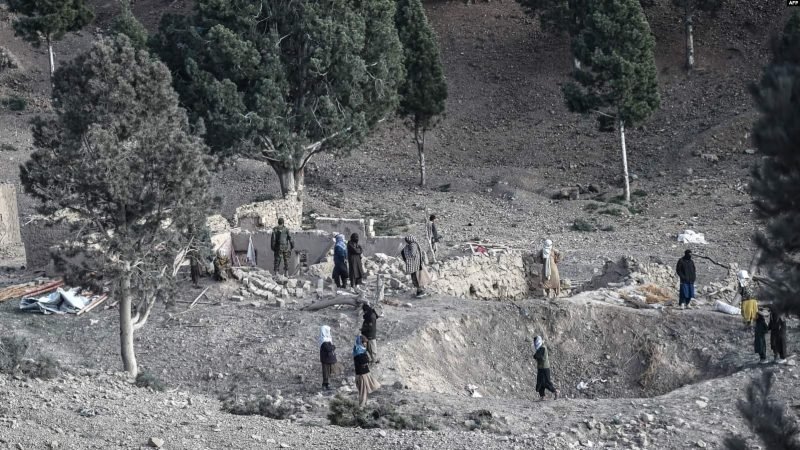
Key facilities—including Natanz, Fordow, and Isfahan—formed the backbone of that capability. Over the past year, repeated strikes targeted these sites, damaging infrastructure, power systems, and associated research centers.
According to Rafael Grossi and international assessments, enrichment capacity at major facilities is now severely degraded, with recovery likely taking years rather than months.
Yet destruction has not equaled dismantlement.
Large portions of Iran’s enriched uranium stockpile are believed to remain buried or sealed within underground complexes, particularly near Isfahan. Retrieving or neutralizing this material presents a major challenge. Meanwhile, Iran retains what may be its most critical asset: knowledge. Its scientists, technical networks, and dispersed expertise have not been erased.
The International Atomic Energy Agency also faces a significant limitation—restricted access. Without full inspections, it cannot verify whether undeclared sites or hidden activities are underway. Locations such as the deeply buried Pickaxe Mountain facility remain difficult to assess or target.
Strategically, the war has achieved its immediate aim: delaying Iran’s nuclear timeline. What was once a near-term breakout risk has likely been pushed back by years. But the deeper risk may now be political. Hardline voices in Tehran are increasingly arguing that the attacks prove the necessity of a nuclear deterrent.
That shift matters. A damaged program can be rebuilt. A determined political decision can accelerate it.
The ceasefire creates a narrow window for diplomacy—but only if it addresses the core issues: the fate of the enriched uranium stockpile, limits on future enrichment, and the restoration of credible monitoring. Without these, the current pause may simply mask a quieter, more concealed phase of development.
Iran’s nuclear capability is no longer at the brink—but it is far from gone.
And in a region already on edge, that distinction could define the next crisis.