The war slowed down—but nothing was solved. The next phase may be even more dangerous.
The two-week ceasefire between the United States and Iran has brought a moment of relief—but little clarity. Beneath the pause lies a deeper truth: the conflict has not been resolved, only deferred.
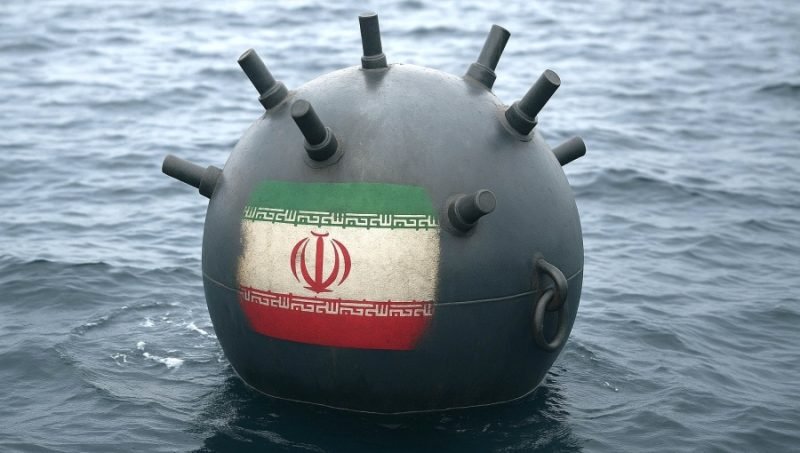
As of April 8, the Strait of Hormuz remains only partially reopened, the very issue that triggered the crisis still unsettled. Talks scheduled in Islamabad offer a diplomatic opening, but the fundamentals remain unchanged. This is not a peace agreement—it is a tactical pause shaped by mutual exhaustion.
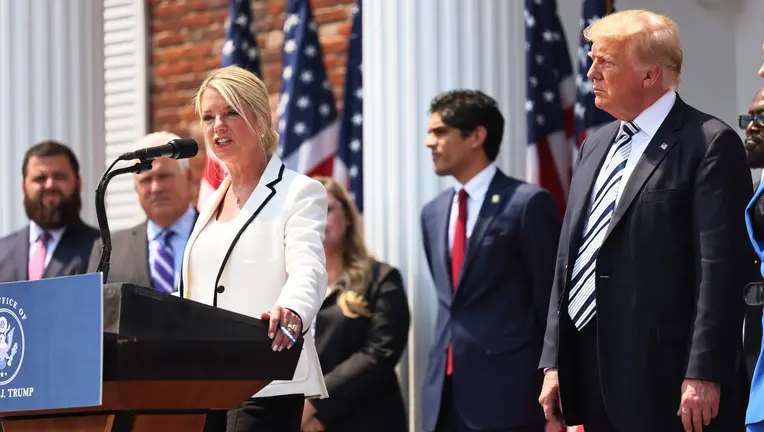
Neither side emerges with a decisive victory. Donald Trump has framed the campaign as a strategic success, yet the core objective—transforming Iran’s political structure—remains unmet. Instead, power in Tehran has consolidated under Mojtaba Khamenei, a more hardline figure whose rise underscores the system’s resilience rather than its collapse.
Iran, however, has paid a steep price. Its military infrastructure, nuclear facilities, and economic networks have been significantly degraded. Yet it retains enough capability—missiles, drones, and strategic leverage over Hormuz—to remain a central player. What Tehran gained in leverage, it lost in stability, now facing internal strain alongside external pressure.
The conflict has also expanded far beyond its original scope. Gulf states absorbed direct attacks, Israel remains engaged on multiple fronts, and global energy markets continue to feel the aftershocks. The war exposed a central vulnerability: the world’s economic system remains tightly bound to a narrow maritime corridor that can be disrupted with relative ease.
The ceasefire reflects this reality. For Washington, escalation carried rising risks—legal, political, and economic. For Tehran, prolonged conflict threatened deeper internal and regional consequences. The result is a convergence of limits, not a convergence of goals.
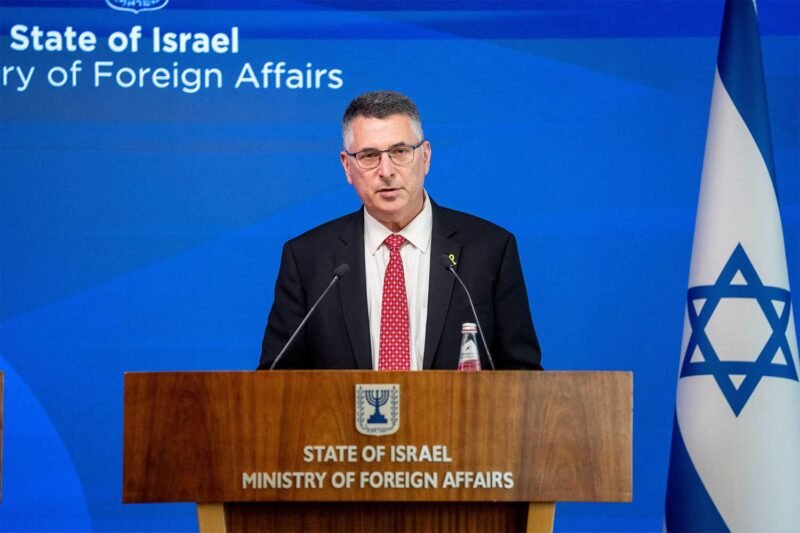
The upcoming talks will test whether this fragile alignment can evolve into something more durable. Key issues remain unresolved: securing reliable access through Hormuz, defining limits on Iran’s nuclear program, and addressing the broader regional conflict—particularly Israel’s ongoing operations beyond the ceasefire’s scope.
External actors, including European powers and China, are likely to play a growing role, reflecting a shift toward a more complex, multipolar negotiation environment.
What lies ahead is uncertain. The ceasefire could hold and lead to incremental progress—or collapse under pressure, miscalculation, or competing agendas.
What is clear is this: the crisis has entered a new phase, not ended. And the window for turning pause into progress is narrow.
If it closes, the next round of escalation may come faster—and hit harder—than the last.