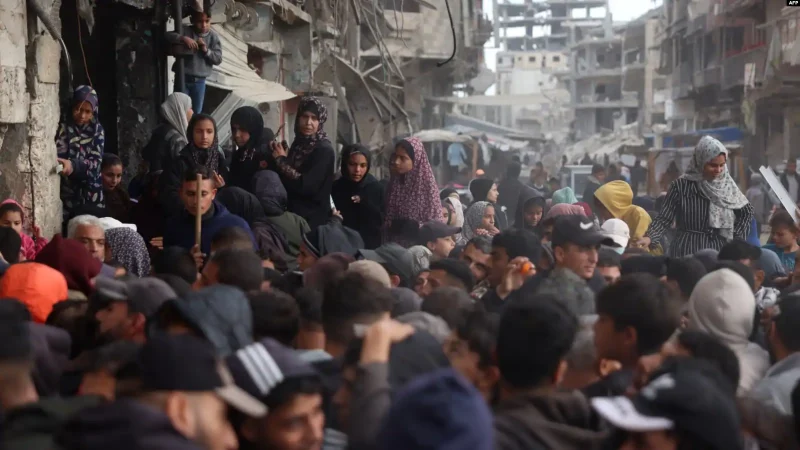
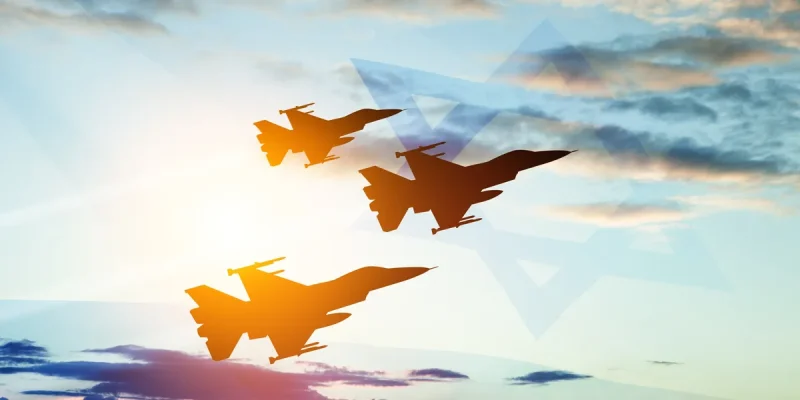
Talks failed. Missiles paused. The Middle East now hangs in a dangerous in-between.
The latest round of high-stakes negotiations between the United States and Iran has ended without a breakthrough, leaving the region suspended between fragile calm and the risk of renewed conflict.
After nearly a full day of talks in Islamabad, U.S. Vice President JD Vance departed with what he described as Washington’s “final and best offer,” signaling a hardening stance. “We’ll see if the Iranians accept it,” he said, underscoring the narrowing space for compromise.
On the Iranian side, Mohammad Bagher Ghalibaf struck a different tone, saying Tehran had presented “constructive initiatives” but that the United States failed to build trust—a reminder that deep suspicion continues to define the relationship.
Despite the diplomatic failure, the ceasefire has held—for now.
Energy markets and regional governments are watching closely. The talks’ collapse raises the risk of renewed disruption to the Strait of Hormuz, through which roughly a fifth of the world’s oil flows. Yet there are early signs of cautious stabilization. Saudi Arabia has restored operations on its key east-west pipeline, while Qatar has begun easing shipping restrictions.
For now, that has helped prevent an immediate economic shock—but the underlying tensions remain unresolved.
At the heart of the deadlock are three core disputes: Iran’s insistence on retaining its enriched uranium stockpile, its demand for influence over Hormuz, and broader calls for sanctions relief. Washington, backed by Israel, has rejected these positions, maintaining pressure on both nuclear and regional fronts.
Complicating matters further is the war’s expansion beyond Iran itself. Israel continues military operations in Lebanon, arguing that the ceasefire does not apply there—a position Tehran disputes. The result is a fragmented battlefield where direct confrontation has paused, but indirect conflict persists.
This reflects a deeper reality: the ceasefire has not resolved the war—it has redistributed it.
Pakistan, which hosted the talks, urged both sides to keep the diplomatic channel open. Foreign Minister Ishaq Dar emphasized the importance of maintaining the truce, even without immediate progress.
The next phase now hinges on whether negotiations can continue—or whether positions harden.
Donald Trump has signaled confidence that military pressure has already shifted the balance, while Iran continues to leverage its strategic position in global energy flows. Neither side appears ready to concede.
The result is an uneasy equilibrium: no deal, no escalation, but no resolution.
And in that space, the risk remains that the next move—whether diplomatic or military—could reshape the conflict once again.