Talks failed. But they’re not over. The next round could decide everything.
Negotiating teams from the United States and Iran are expected to return to Islamabad as early as this weekend, according to multiple sources, in a renewed effort to salvage fragile diplomacy following the collapse of last week’s high-level talks.
Officials familiar with the discussions said no firm date has been set, but both sides are keeping a Friday-to-Sunday window open for a possible second round. Pakistani authorities, who hosted the initial are actively coordinating with both delegations to finalize timing and logistics.
“We have reached out to Iran and received a positive response—they are open to another round,” a senior Pakistani government official said, signaling cautious momentum despite the earlier failure to reach an agreement.
The previous meeting—held just days after a temporary ceasefire—marked the first direct engagement between Washington and Tehran in more than a decade and the most senior-level contact since the Iranian Revolution. It ended without a breakthrough, but not without progress, as both sides exchanged proposals and clarified core demands.
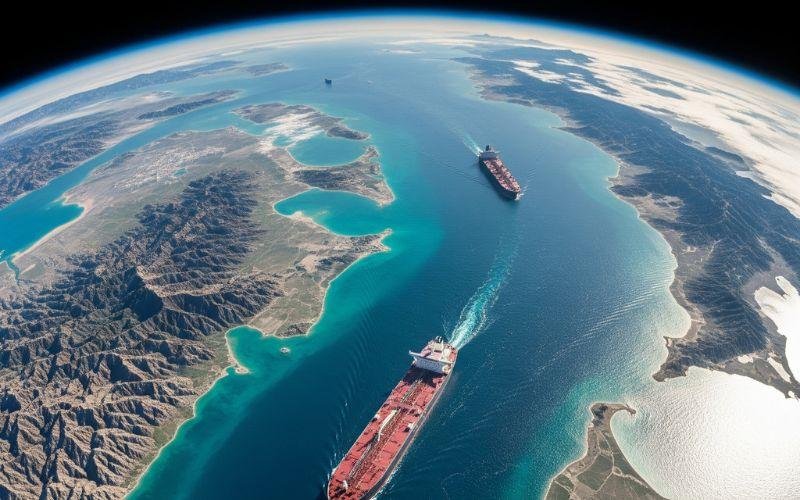
At the center of the dispute are several unresolved issues: Iran’s control over the Strait of Hormuz, its nuclear program, and the future of international sanctions. The strategic waterway—through which a significant share of global energy flows—remains a critical sticking point, with Washington insisting on full reopening while Tehran seeks leverage over its operation.
The U.S. delegation, led by JD Vance, framed its position as final. “We leave here with a very simple proposal… our final and best offer,” Vance told reporters after the talks concluded. Iranian negotiators, led by Mohammad Bagher Ghalibaf, have yet to publicly signal acceptance.
Diplomatic observers say the decision to reconvene reflects a shared recognition that neither side can afford a breakdown. The ceasefire remains fragile, and renewed hostilities could trigger further disruption to global energy markets and regional stability.
Pakistan’s role as mediator has become increasingly central. By maintaining open channels with both Washington and Tehran, Islamabad has positioned itself as a rare bridge between adversaries who still distrust direct engagement.
For now, expectations remain measured. Diplomats suggest the immediate goal is not a comprehensive peace deal, but incremental progress—enough to extend the ceasefire and keep negotiations alive.
Whether the next round delivers that progress may determine if diplomacy can hold—or if the conflict returns to the battlefield.