The guns fell silent—but not the tension. Is this peace, or just a pause?
A 10-day ceasefire between Israel and Lebanon took effect at midnight Friday, offering a brief pause in weeks of intense fighting—but leaving major questions about whether the truce can hold.
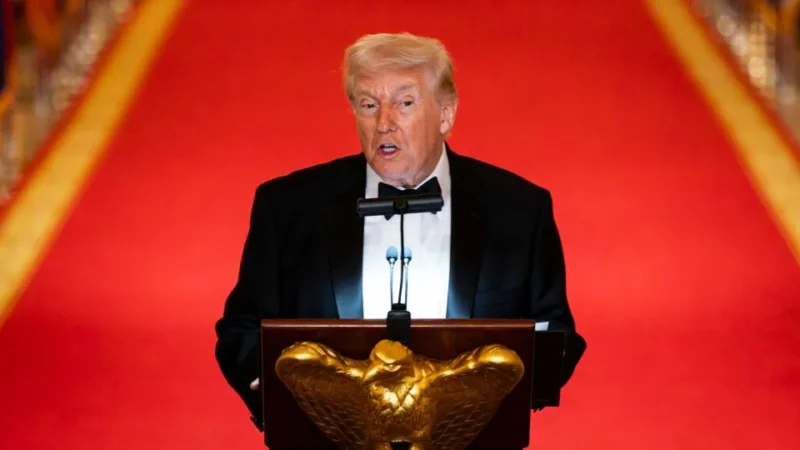
The agreement, announced by Donald Trump, aims to halt hostilities between Israeli forces and Hezbollah militants operating inside Lebanon. Yet from the outset, the deal has been marked by ambiguity. Hezbollah is not a formal party to the agreement, and Israel has made clear it will not withdraw its troops from southern Lebanon.
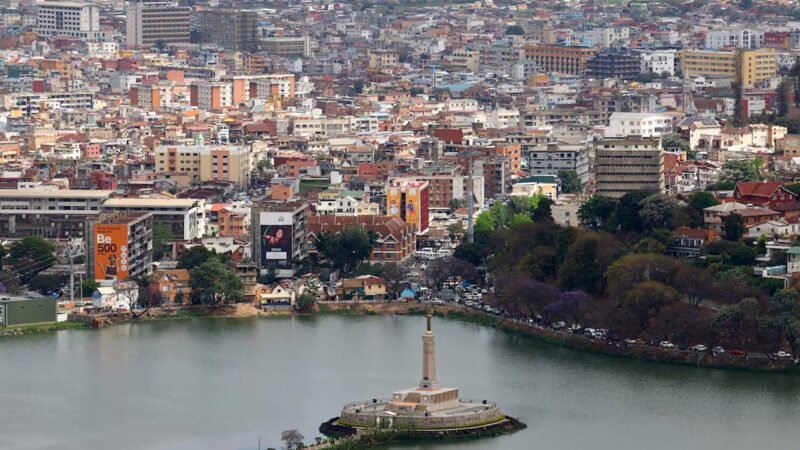
Celebrations erupted in parts of Beirut as the ceasefire began, with residents firing gunshots into the air. At the same time, displaced families cautiously started returning to their homes—despite warnings from officials that the situation remained volatile.
The terms of the truce reveal its fragility. Israeli Prime Minister Benjamin Netanyahu said the ceasefire was intended to “advance” peace efforts but emphasized that Israeli forces would maintain a security zone extending roughly 10 kilometers into Lebanese territory. Hezbollah, meanwhile, signaled it could resume attacks if Israeli operations continue.
Even in the early hours of the ceasefire, reports of continued shelling in southern Lebanon and last-minute rocket fire into northern Israel underscored how quickly the situation could unravel.
Diplomatically, the truce represents a rare moment of direct engagement. The agreement followed high-level contacts involving U.S. officials, including Secretary of State Marco Rubio, and leaders in Beirut and Jerusalem. It also comes amid broader efforts to extend a separate ceasefire tied to the wider U.S.-Iran conflict.
But the underlying realities remain unchanged. Israel insists on dismantling Hezbollah’s military presence, while Lebanon remains divided internally over how to confront the group. More than one million people have been displaced, and there is no clear timeline for their safe return.
The ceasefire, in other words, is less a resolution than a narrow window—one shaped by urgent diplomacy, strategic calculation, and mutual distrust. Whether it becomes a stepping stone to a longer peace or collapses into renewed conflict may depend on what happens next, not what has been agreed.