As diseases spike from unsafe beverages flooding our markets, our local champion—Somaliland Beverage Industries—faces unfair competition. This isn’t just bad trade policy. It’s a national failure.
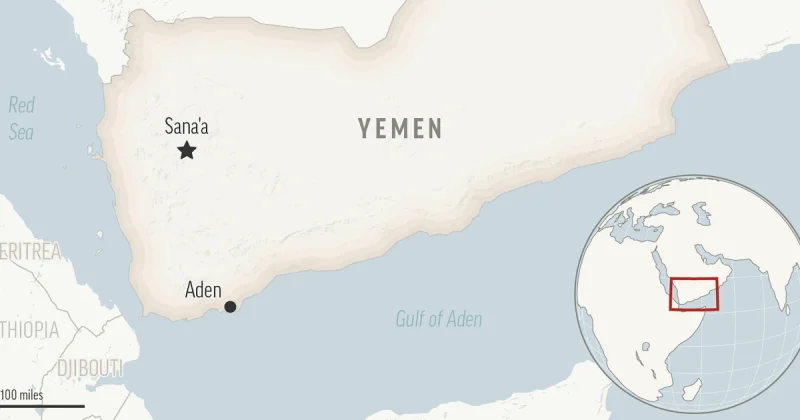
A troubling convergence of public health risks, weak regulatory enforcement, and economic neglect is threatening both the well-being of Somaliland’s citizens and the viability of its domestic manufacturing sector. At the center of this growing storm is the unchecked importation of substandard, and in some cases hazardous, beverages from regional markets—most notably Ethiopia and Yemen—into Somaliland’s towns and cities.
Health professionals and local business leaders are sounding the alarm: imported sugary drinks and expired beverages are contributing to a silent surge in chronic illnesses, including diabetes, cardiovascular complications, and even cancers. These products, often lacking proper labeling, transparency, or compliance with expiration standards, have quietly flooded local markets, particularly in urban centers such as Hargeisa and Berbera.
This crisis is not unfolding in a vacuum. Somaliland’s own constitution prioritizes the protection of locally manufactured goods. Yet enforcement of this principle remains alarmingly weak. The very laws meant to ensure the quality and integrity of consumables are being bypassed—either through regulatory loopholes or a lack of political will.
At the same time, Somaliland Beverage Industries (SBI)—the nation’s flagship producer and largest private sector employer outside the government—finds itself battling for market share in its own homeland. Founded in 2010 by businessman Ahmed Osman Guelleh, SBI has invested millions into local infrastructure, job creation, and quality assurance. Yet instead of receiving government protection or incentives, SBI faces stiff competition from cheaply imported products that escape the same level of scrutiny.
This is more than just an economic imbalance. It is a form of policy inconsistency that favors foreign traders over national producers. While SBI is taxed and regulated, foreign beverage consignments continue to enter Somaliland ports and markets, often without the same oversight. This dual system raises a fundamental question: Why are Somaliland’s institutions failing to prioritize public health and national economic interests?
The answer may lie in enforcement gaps and revenue loopholes. Importers often benefit from minimal scrutiny and lower tariffs, especially in areas with informal trading corridors. Expired goods, poorly labeled soft drinks, and suspiciously cheap alternatives are making their way to shelves, largely unchallenged. The impact is tangible: rising health costs, declining consumer trust, and a local industry forced into unfair competition.
Moreover, there is a growing recognition that taxation policy must be realigned with public health goals. Experts have called for sin taxes on non-essential and harmful goods such as imported sugary drinks, cigarettes, chat, and skin whitening creams. Beyond generating revenue, such measures could disincentivize unhealthy consumption patterns and restore a level playing field for domestic manufacturers.
At a broader level, this situation raises concerns about economic sovereignty. A nation that cannot protect its people from imported poison, or support its own industries against foreign dumping, risks becoming dependent and vulnerable—both economically and socially.
The solution is not complex, but it demands resolve.
At a time when Somaliland is striving for international recognition, it cannot afford to neglect internal integrity. The country’s ability to govern its markets, protect its people, and elevate its homegrown industries speaks volumes about its readiness for sovereignty. The beverage crisis is not just a health issue—it is a test of national leadership.