A Looming Catastrophe in the Red Sea and the Somaliland Government’s Silence
As events unfold across the globe, the stage is being set for a turbulent conflict that threatens to engulf the Red Sea region and, by extension, Somaliland. The convergence of various geopolitical tensions has ignited speculation of a major conflict involving the Houthis in Yemen, Israel, and the United States on one side, with Iran, Turkey and China as opposing forces. It raises an alarming question: why is the Somaliland government remaining silent while significant threats loom at its doorstep?
Are We Sleepwalking into Destitution? The Looming Catastrophe in the Red Sea and Somaliland’s Dangerous Complacency
As global powers position for conflict, Somaliland’s leadership must confront the realities they cannot afford to ignore.
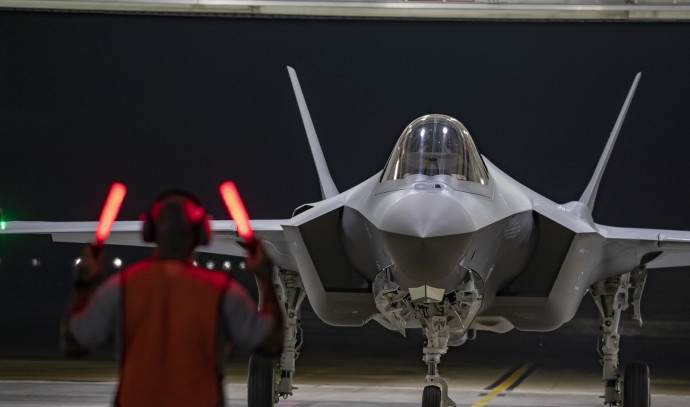
The Middle East is bracing for unprecedented upheaval. The United States has amassed a staggering military presence in the region, signaling preparations for a confrontation that could ripple across the globe. With Iran issuing aggressive threats against Israel, the potential for conflict escalates daily. Various factions, including the Houthis and terrorist groups aligned with regional powers, are poised to exploit the chaos that could arise from any military misstep. As the international community braces itself, the European Union is proactive, advising its citizens to prepare for emergencies, recommending that every household stock up on essential supplies, as the winds of war approach.
So, amid this frenzy, what is Somaliland’s government doing? Are they aware of the precarious situation they face given their geographical proximity to this brewing storm? The evidence suggests a concerning void in the government’s communication strategies. Citizens are left in the dark about impending dangers while the Somaliland elite seem to be decidedly detached or, perhaps, complicit in orchestrating a narrative that sidelines the urgency of the situation.
Somaliland has long enjoyed friendships with Western powers and the UAE, yet the shifting alliances in the region pose inherent risks. The involvement of Iran, with its support for groups like the Houthis, could have dire consequences for Somaliland should conflict spill over in the absence of a solid government response. Instead of rallying citizens behind a robust plan for preparedness, the government is failing to leverage critical intelligence about the situation, leaving many to speculate on whether they possess any actionable strategy should the situation deteriorate further.
The geopolitical chess game surrounding the Horn of Africa is intensely complex. On one side, you have nations such as the U.S., Israel, and UAE, eager to protect their interests in the face of hostile threats. However, on the other hand, Iran, China and Turkey both view the Red Sea as a strategic gateway crucial for their own ambitions. They have cultivated relationships with local factions, demonstrating a willingness to promote instability as a means of advancing their geopolitical game plans.
EU Prepares for War: Why is Somaliland Left in the Dark About an Imminent Red Sea Conflict?
While Europe issues survival kits and preparations, Somaliland faces silence from its leaders during a time of impending crisis.
And yet, the Somaliland government, which should be at the forefront of these discussions, appears to be oblivious or too complacent. They risk leaving Somaliland’s sovereignty vulnerable as they neglect to disseminate critical information regarding the implications of global conflicts for their constituents. The EU, with its advanced planning for potential disruptions, hinges upon the principle of transparency with its citizens. The knowledge that 450 million Europeans are taking government advice seriously to prepare for emergencies starkly contrasts with the silence coming from Hargeisa.
Silent Threats: Is Somaliland’s Government Ignoring an Impending War at Its Doorstep?
The evidence is mounting, yet the Somaliland government remains silent as chaos looms in the Red Sea region.
Somaliland faces potentially cataclysmic scenarios if the Red Sea descends into chaos. The port of Berbera, a vital artery for trade and economic activity, could become embroiled in the aftermath of regional conflict. The potential influx of refugees, instability, and economic disintegration due to catastrophic military actions could wreak havoc on our society.
If the evidence of escalating tensions across the region was not enough, the patterns of discord that have afflicted Somalia and other neighboring states—Al-Shabaab in the south, ISIS in Puntland, and Ethiopia’s own unresolved conflicts—paint a grim picture of the precarious environment we inhabit.
It is time for Somaliland to wake up and turn its gaze to the darker corners of reality. The government must acknowledge the looming specter of war and inform its citizens of the risks they face. Silence in the face of danger is complicity. The people of Somaliland deserve to hear the truth and be equipped to handle the oncoming storm.