Washington is no longer just deterring Tehran. It is openly preparing to strike first.
U.S. Secretary of State Marco Rubio has issued the clearest signal yet that Washington is prepared to consider preemptive military action against Iran, describing Tehran’s leadership as weaker than at any point in recent years and warning that the United States must be ready to strike before American forces are attacked.
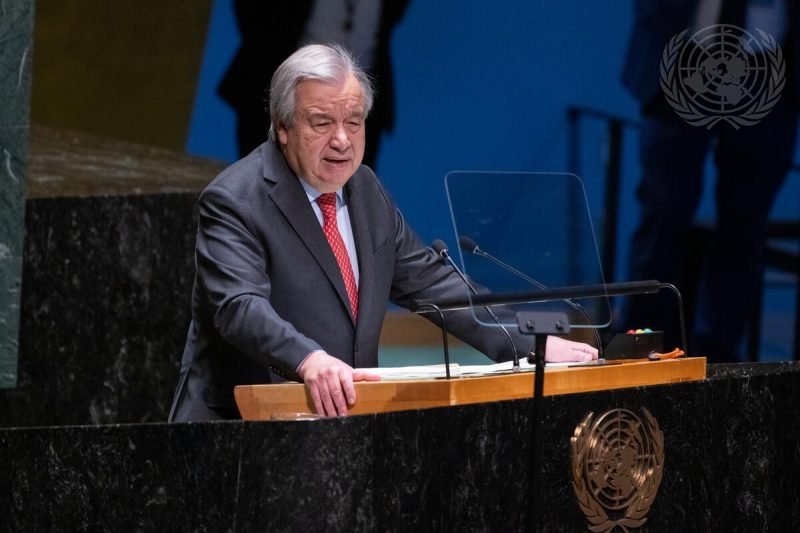
Testifying Wednesday before the U.S. Senate Foreign Relations Committee, Rubio framed the administration’s expanding military posture in the Middle East as defensive in intent but preemptive in logic. “It’s wise and prudent,” he said, “to have a force posture within the region that could respond and, if necessary, preemptively prevent an attack against thousands of American servicemen and other facilities in the region and our allies.”
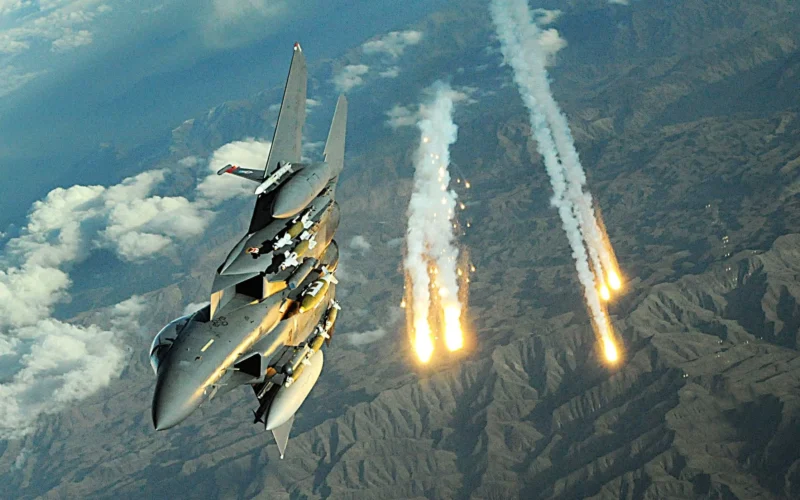
The remarks underscore a strategic shift under President Donald Trump, whose administration has steadily hardened its rhetoric and deployments as negotiations with Iran stall. The arrival of the USS Abraham Lincoln strike group in the U.S. Central Command area reflects that posture, aimed at protecting more than 30,000 U.S. troops spread across the Gulf and neighboring theaters.
Rubio emphasized that Washington hopes escalation can be avoided, but made clear that force positioning is no longer theoretical. “I hope it doesn’t come to that,” he said, “but what you’re seeing now is the ability to posture assets in the region to defend against what could be an Iranian threat against our personnel.”
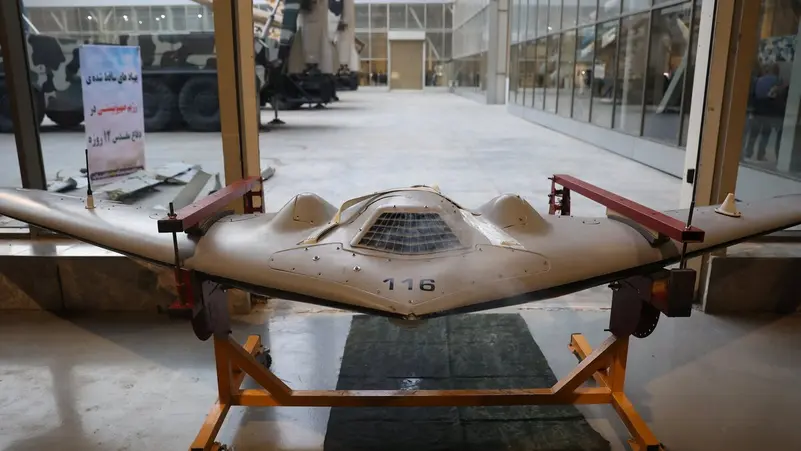
The administration’s confidence is rooted in its assessment of Iranian weakness. Rubio told senators that Iran’s conventional military capabilities are “weaker than they’ve ever been,” citing economic collapse and internal unrest. Yet he paired that assessment with a warning: Tehran still possesses “thousands and thousands” of long-range ballistic missiles, maintaining the ability to inflict serious damage even from a position of relative decline.
Trump has amplified that message publicly. In recent posts, he reiterated his support for Iranian protesters and warned that violence against them could trigger U.S. military action. He also revived the threat of escalation tied to Iran’s nuclear program, promising that any future strikes would be “far worse” than last summer’s attacks on Iranian nuclear facilities under the operation he dubbed “Operation Midnight Hammer.”
“MAKE A DEAL!” Trump wrote, urging Tehran to return to negotiations on a nuclear agreement that ensures “NO NUCLEAR WEAPONS.” The message, delivered in his familiar capitalized style, left little ambiguity about the alternative.
Iran’s response has been defiant but calibrated. Foreign Minister Abbas Araghchi said Iran would defend itself “immediately and powerfully” against any aggression, while simultaneously signaling openness to talks. Iran’s mission to the United Nations echoed that stance, warning against U.S. strikes but leaving the door open to diplomacy.
Beyond the immediate military calculus, Rubio acknowledged the deeper uncertainty confronting U.S. policymakers. Asked about the potential collapse of Iran’s current regime, he conceded there are no simple answers. Any transition, he suggested, would depend on whether figures within Iran’s own system could emerge as viable interlocutors — a tacit admission that regime change, if it comes, would be unpredictable and risky.
Taken together, the testimony marks a notable moment. For years, U.S. officials have spoken of deterrence and containment. Rubio’s comments place preemption squarely within the realm of public policy discussion, reflecting an administration increasingly willing to signal force as both shield and lever.
Whether the strategy succeeds in compelling negotiations or accelerates confrontation now depends less on rhetoric and more on miscalculation. With U.S. assets concentrated in the region and Iran warning it will respond “like never before,” the margin for error is narrowing — and the cost of getting it wrong is rising fast.