Israel and Turkey Are Now Testing Each Other’s Red Lines Inside Syria
Israel’s strike on Syria’s Abu al-Duhur airbase marks a dangerous new stage in the regional struggle that followed Bashar al-Assad’s fall.
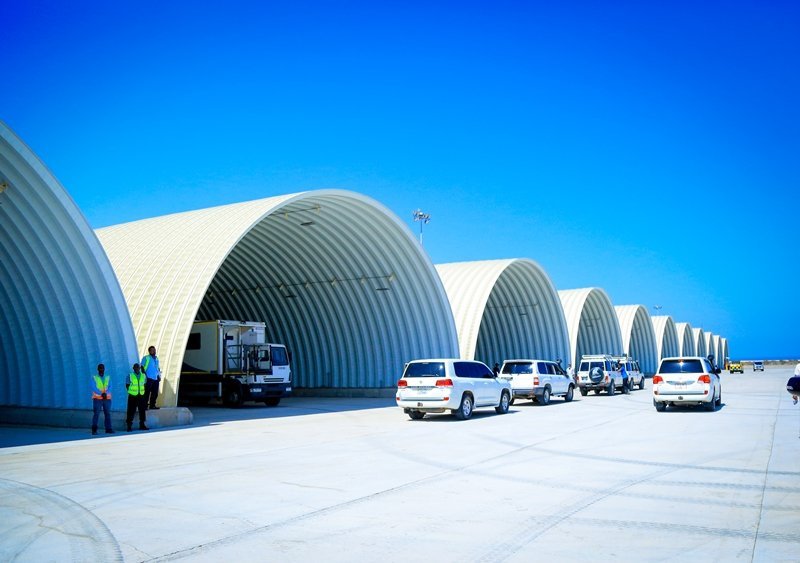
According to Israeli security officials, the August 18 attack was designed to prevent Turkey from establishing radar, air-defense systems and eventually Turkish military personnel at the base in northwestern Syria. Israel says such a deployment could restrict its freedom of aerial operations over Syria and complicate future military routes toward Iran.
Turkey and Syria dispute that account.
Ankara says no Turkish military delegation was present at the airbase before or during the Israeli attack. Syrian Foreign Minister Asaad al-Shaibani acknowledged that Turkish officers had visited the facility as part of training cooperation but said Damascus had explicitly told Israel there were no plans for a permanent Turkish base or troop deployment.
The contradiction matters because this is no longer simply an argument over one runway.
It is a contest over who will shape Syria’s post-Assad military geography.
Turkey has emerged as one of the strongest external partners of President Ahmed al-Sharaa’s government. Ankara wants a stable, unified Syrian state with security institutions capable of controlling its territory.
Israel sees a different risk.
A stronger Syrian military closely integrated with Turkey could eventually place Turkish radar and air-defense coverage much deeper into Syrian territory. From Israel’s perspective, that could reduce the freedom of action it has enjoyed over Syria for years.
That explains why Abu al-Duhur matters.
The base sits roughly 70 kilometers from the Turkish border. Israeli officials fear that if Turkey establishes sophisticated surveillance and air-defense capabilities there or at similar facilities farther south, Israel could face an increasingly contested Syrian airspace.
Prime Minister Benjamin Netanyahu has publicly framed the issue as a red line, saying Israel would not tolerate a Turkish military buildup moving southward inside Syria.
Israel therefore appears to be practicing pre-emptive denial.
Rather than waiting for Turkish equipment to arrive and then confronting an operational Turkish military position, Israel struck the infrastructure beforehand, damaging runways while reportedly causing no casualties.
The intention appears clear: destroy the opportunity before it becomes a military fact.
But Washington is openly questioning Israel’s justification.
US envoy Tom Barrack said American intelligence checks found no evidence supporting the claim that a Turkish deployment was imminent. He also said the United States had not received the advance warning Israel suggested it had provided, while raising the possibility that the strike reflected Israeli domestic politics or internal miscommunication. Israel has strongly rejected those claims.
That disagreement is extraordinary.
The United States now finds itself attempting to prevent escalation between two of its most important regional partners: Israel and NATO member Turkey.
Turkey has so far avoided military retaliation, instead accusing Israel of destabilizing Syria and calling the strike reckless. Washington is pushing deconfliction arrangements precisely because an accidental clash between Israeli and Turkish forces could escalate far beyond Syria.
WARYATV ASSESSMENT
The real battle over Syria is changing.
For years, Israel’s primary concern was preventing Iran and Hezbollah from establishing military infrastructure there.
Today, Iran has been weakened and Assad is gone.
The emerging strategic question is Turkey.
Israel does not appear to regard Turkish influence in Syria as equivalent to Iran’s former military network. But it clearly does not want Ankara converting political influence into radar coverage, air defenses and permanent military positions capable of constraining Israeli operations.
Turkey, meanwhile, sees Syria as central to its own national security and regional power.
That creates overlapping red lines.
Ankara wants influence over Syria’s reconstruction and military development.
Jerusalem wants freedom of action over Syrian airspace.
Damascus wants sovereignty over its own territory.
Washington wants all three to avoid a war.
Those objectives cannot indefinitely coexist without an agreed security architecture.
The Abu al-Duhur strike is therefore more important than the damage to one Syrian airbase.
It signals that Israel is prepared to use force before Turkish military influence becomes permanent.
And Turkey now knows exactly where Israel believes the red line lies.
The danger is what happens when Ankara decides to test it again.
Iran once defined Israel’s military problem in Syria. The next contest may be over how much Turkish power Israel is prepared to tolerate on its northern frontier.