America Is Leaving Iraq, but the Intelligence Contest Is Not
America’s troops are leaving Iraq; its adversaries and intelligence requirements are not.
The United States is completing its military withdrawal from Iraq, closing a chapter that began with the 2003 invasion. Yet the departure does not end Washington’s security exposure. It changes how—and how well—the United States can see threats developing.
A smaller footprint means a thinner warning network
American forces provided more than combat power. They supported surveillance, logistics, intelligence fusion and coordination against Islamic State cells. Iraqi forces retain substantial capabilities, but intelligence systems are strongest when sources, aircraft, analysts and rapid-response units work together. Removing one layer can create blind spots even if no territory immediately changes hands.
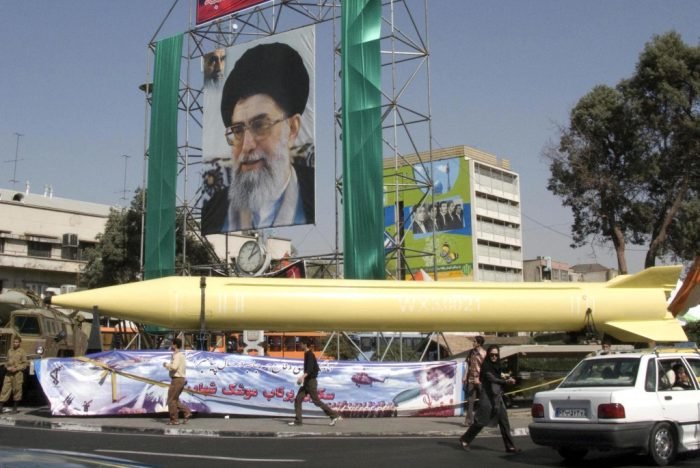
Iran and aligned Iraqi armed factions describe the exit as a victory. That is a political claim, but it rests on a material shift: Tehran-linked groups will face fewer American personnel and facilities inside Iraq. Kurdish and Sunni leaders have expressed concern about both militia influence and an Islamic State revival.
Sovereignty does not automatically create balance
Baghdad gains formal control over its security environment. It may simultaneously lose external leverage against armed actors that sit partly inside the state and partly outside its command. Iran does not need to “take over” Iraq to benefit. It only needs greater influence over decisions, routes and appointments than competing powers possess.
WARYATV Assessment
The withdrawal’s real consequence will appear in warning time. If Iraqi forces can detect Islamic State networks, restrain militia escalation and share intelligence without becoming dependent on Tehran, the transition may hold. If not, Washington may discover that leaving bases is easier than rebuilding access during a crisis.
Sources: U.S. Central Command