The Houthis Are Converting Maritime Disruption Into Territorial Control
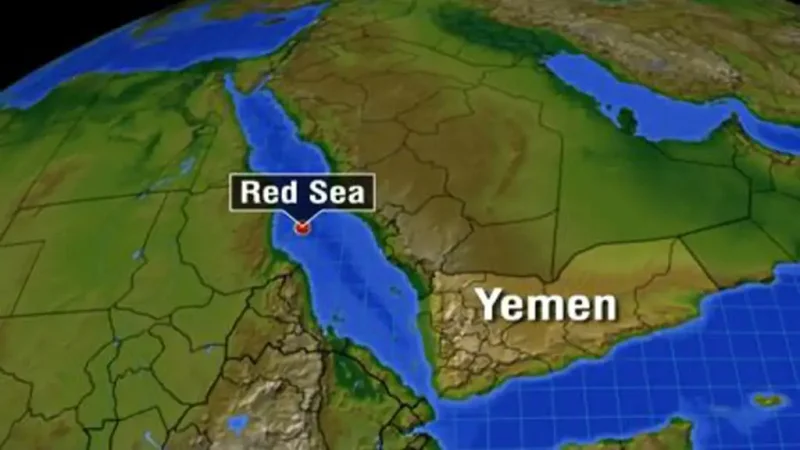
Houthi forces have moved beyond attacks on shipping and seized positions along Yemen’s Red Sea coast, including ground overlooking the Bab el-Mandeb. Reuters reported that the group subsequently pushed toward the Kahboub mountain area in Taiz and Lahij, terrain that could isolate Saudi-backed forces from coastal supply routes. United Nations agencies reported mass displacement as the fighting intensified.
Claims and evidence limits
Regional and Yemeni sources told Reuters that Iranian weapons and advisers assisted the coastal offensive. Tehran and the Houthis frame their operations as resistance to U.S., Israeli and Saudi actions. Precise force numbers, external command arrangements and the durability of recent territorial gains remain difficult to verify independently.
WARYATV Assessment
The important shift is geographic. The Houthis are trying to turn an ability to threaten ships into a defensible position from which they can influence the strait itself. Holding high ground and islands near Bab el-Mandeb would improve surveillance, missile positioning and bargaining leverage even without formally closing the waterway.
That creates a larger dilemma for Washington and Riyadh. Airstrikes may destroy launch sites, but reversing territorial gains requires reliable local forces—exactly where the anti-Houthi coalition has shown fragmentation. The next indicators are Houthi fortification activity, coastal radar deployment, mining threats and whether Saudi-backed formations can reopen land corridors.
Uncertainty: Control of a coastline does not automatically produce full control of commercial passage. The Houthis’ ability to sustain logistics under air attack is unproven.