A separate travel advisory may sound technical. In practice, it could unlock business, diplomacy and direct engagement.
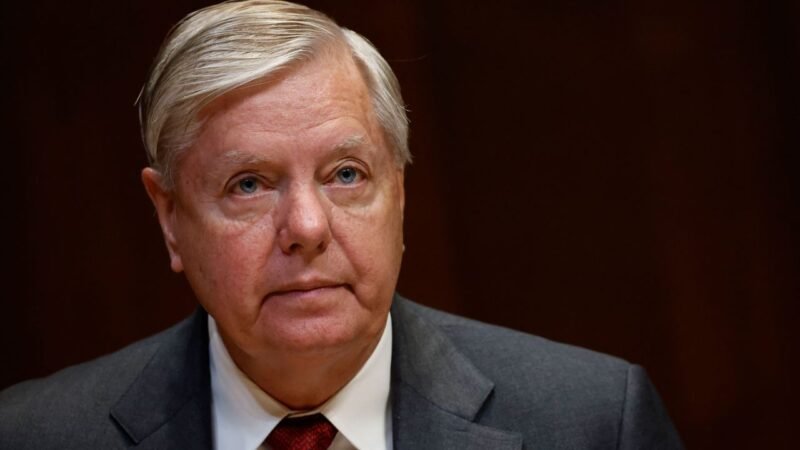
Senator Ted Cruz has become Somaliland’s most prominent advocate in the United States Senate. His support gives Hargeisa a powerful voice inside Washington—but it does not give him the authority to recognise a country.
That distinction should shape Somaliland’s expectations. Cruz can move the debate, pressure the State Department and build congressional support. The final recognition decision, however, belongs primarily to the executive branch.
Cruz occupies an influential position
Cruz chairs the Senate Foreign Relations Subcommittee on Africa and Global Health Policy. From that position, he can convene hearings, request policy reviews, question nominees and force government departments to explain why American policy continues to treat Somaliland and Somalia alike.
In August 2025, Cruz urged President Donald Trump to recognise Somaliland. In July 2026, he pressed Secretary of State Marco Rubio to establish a separate Somaliland travel advisory, arguing that the existing Level 4 warning does not reflect conditions on the ground.
That campaign attacks one of the practical foundations of the “One Somalia” policy: administrative treatment that makes direct travel, investment and institutional engagement with Somaliland more difficult.
Congress is building an alternative policy
Recognition legislation already exists. The Republic of Somaliland Independence Act, H.R. 3992, would recognise Somaliland as a separate independent country. But the bill was referred to the House Foreign Affairs Committee in June 2025 and has not progressed beyond the introduced stage.
A more limited bill introduced on September 16, 2026, would instruct the secretary of state to consider opening a representative office in Hargeisa and separating the Somaliland and Somalia travel advisories.
This incremental approach may have a better chance of producing immediate results. A representative office would establish a durable American presence without requiring Washington to settle the recognition question first.
One senator cannot deliver the breakthrough
Cruz can open doors, but Somaliland still needs bipartisan support, House and Senate coordination and allies inside the administration. It must also address opposition from Somalia and concerns that recognition could produce regional instability.
The strongest campaign would therefore pursue a ladder of achievable steps: separate travel guidance, direct aid, a representative office, investment protections, formal security cooperation and eventually recognition.
WARYATV assessment
Cruz matters because he has moved Somaliland from the margins of African policy into a discussion about American security, shipping and competition with China. But personal advocacy must be converted into institutional policy.
The immediate test is not another supportive statement. It is whether the State Department separates its travel advisory, whether Congress advances the new investment legislation and whether Washington establishes a permanent presence in Hargeisa.
If one of those measures happens, Somaliland’s relationship with the United States will have changed materially—even before recognition.