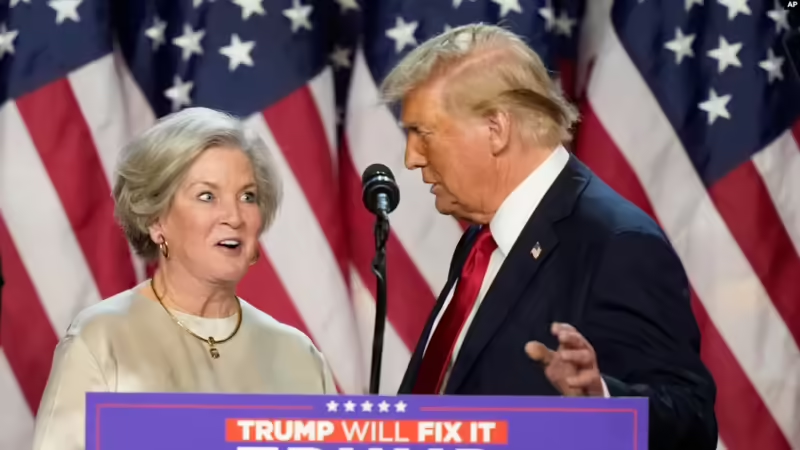
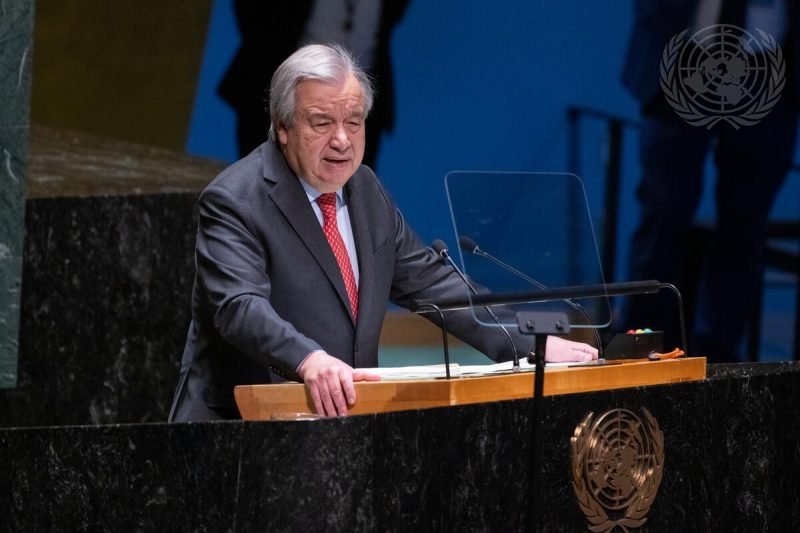
Former U.S. President Donald Trump and Ukrainian President Volodymyr Zelenskyy came face-to-face in New York on Friday, a meeting that had all the makings of a diplomatic showdown. With tensions sky-high and Republican criticism of U.S. support for Ukraine hitting a fever pitch, this encounter could redefine the U.S.’s role in the Russia-Ukraine war—and it’s one that has everyone talking.
Just days after President Joe Biden reassured Zelenskyy of unwavering U.S. support, Trump dropped a political bombshell—he, too, would meet with the Ukrainian leader. But unlike Biden’s warm reception, Trump brought an arsenal of sharp criticisms, provocative claims, and skepticism about U.S. involvement in Ukraine’s war efforts.
“Zelenskyy? He made some nasty comments about me,” Trump lashed out earlier in the week, referencing an interview where the Ukrainian president suggested Trump had no real plan to end the war. The tension between the two leaders was palpable. Trump’s response was as fiery as ever: “I can stop this war in 24 hours,” he declared at a campaign rally, taking aim at both Zelenskyy and the Biden administration, which he accused of dragging the conflict out.
But Trump wasn’t done. He doubled down, blaming Biden and Zelenskyy for what he called a “prolonged disaster,” saying Kyiv should have cut a deal with Moscow before it was “too late.” His message? The U.S. is wasting resources on a war with no end in sight, and Ukraine is paying the price in rubble and ruin.
The stakes couldn’t be higher. Biden’s administration has been Ukraine’s staunchest ally since Russia’s invasion began, funneling billions in military aid and advanced weapons to Kyiv. Just before Trump’s meeting with Zelenskyy, Biden announced another eye-popping $8 billion in aid, including state-of-the-art missiles and a Patriot missile battery—an unmistakable signal of continued support.
“We’re with you every step of the way,” Biden promised Zelenskyy in a display of solidarity. The contrast with Trump’s hardline skepticism couldn’t be more stark. Trump has repeatedly dodged questions about whether he wants Ukraine to win the war, instead emphasizing a peace deal—even if that means Ukraine giving up territory.
But Zelenskyy isn’t staying silent. He’s taken direct aim at Trump’s stance, calling out what he sees as a dangerous willingness to force Ukraine into an unjust settlement. “The idea that the world should end this war at Ukraine’s expense is unacceptable,” Zelenskyy told The New Yorker, sending a clear message to Trump and his supporters.
And he didn’t stop there. Trump’s running mate, Republican vice-presidential nominee JD Vance, has suggested halting the fighting and creating a demilitarized zone—a proposal that Zelenskyy has slammed as “too radical” and tantamount to surrender. “His message seems to be that Ukraine must make a sacrifice,” Zelenskyy said, in a searing critique of the Republican platform.
As if the drama between Trump and Zelenskyy wasn’t enough, this high-stakes meeting comes at a moment of intense political maneuvering in the U.S. Congressional Republicans, fiercely loyal to Trump, have demanded that Zelenskyy fire his ambassador to the U.S. after she organized a visit to a Pennsylvania ammunition factory—a swing state crucial to the 2024 election. Speaker of the House Mike Johnson blasted the visit as “election interference,” accusing Zelenskyy of campaigning for the Democrats.
The White House wasn’t having any of it, calling Johnson’s accusations a “political stunt” and pointing out that Zelenskyy had met with Republican leaders too. Yet the incident reveals the raw partisan undercurrents swirling around U.S.-Ukraine relations—and how this war is now playing directly into America’s electoral battlefield.
While the political drama between Trump and Zelenskyy captivates headlines, the deeper question remains: What happens next? Trump’s unpredictable rhetoric has already reshaped the Republican stance on Ukraine, sparking fierce debate within his party over how much support the U.S. should continue to provide. With the war far from over and both sides digging in, the U.S. could be at a crossroads in how it approaches the conflict.
Is Trump right in claiming he can “end the war in 24 hours”? Or is his approach setting up Ukraine for failure, as Zelenskyy and Biden suggest? What happens to Ukraine if U.S. support wavers? These are the urgent, burning questions that could reshape global geopolitics, and they’re questions that may soon define the 2024 election itself.
In many ways, this face-to-face between Trump and Zelenskyy isn’t just about Ukraine. It’s about the future of U.S. global leadership, the balance of power in Europe, and the very nature of how America engages with the world. Will the U.S. continue to stand as a bulwark against Russian aggression? Or will Trump’s brand of “America First” politics lead to a dramatic pullback of support?
As the dust settles on this explosive meeting, one thing is certain: the stakes couldn’t be higher. Trump’s vision for ending the war may be radically different from what we’ve seen so far—but with his influence on the rise, it’s a vision that can no longer be ignored. And as Zelenskyy fights to keep his country’s fate in Ukrainian hands, the world watches with bated breath.
The battle for Ukraine, both on the ground and in the halls of U.S. power, is far from over. The coming months could change everything. Stay tuned.